| OCR Text |
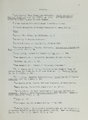
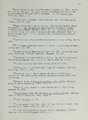
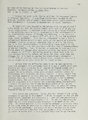
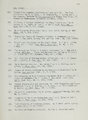
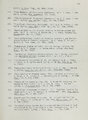
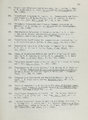
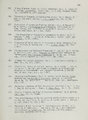
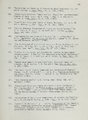
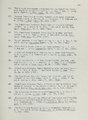
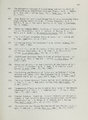
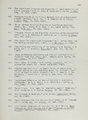
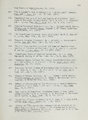
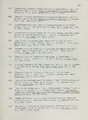
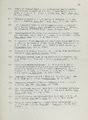
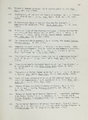
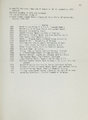
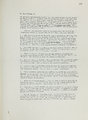
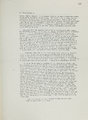
Show 51 Endnotes 1Henry Eyring, "Men, Mines, and Molecules," Annual Reviews of Physical Chemistry, Vol. 23, (l977), pp. l-l3. This short sketch serves as a basic source for this chapter. 2Eyring received his only D grade in military science. 3Official University of Arizona transcript of Henry Eyring. 41bid. 5Eyring, "Men, Mines, and Molecules," p. 4. 6University of Arizona transcript. 7Gilbert N. Lewis to Henry Eyring, 25 March l925. 8Farrington Daniels, "Physical Chemistry," Chemical and Engineering News, September l95l, p. 44. 9Henry Eyring, "Scientific Creativity," op. cit., p. l68. 10See Appendix III - "Scientific Genealogy of Henry Eyring." HBrasted, op. cit., p. 753. 12See Appendix IV - "Doctor of Philosophy Programme." 136. E. Gibson and H. Eyring, "Ionization and Stopping Power of Various Gases for Alpha-Particles from Polonium: II," Physical Review 30, No. 5, (1927), p. 553 f. 14M. F. Libby, "Berkeley Radiochemistry," Annual Review of Physical Chemistry, Vol. l5, (l964), p. 247. 15University of California, Official Transcript of Henry Eyring. 16Henry Eyring, "Scientific Creativity," pp. l69-70. 17Melvin Calvin, "Gilbert Newton Lewis," American Chemistry Bicentennial, Robert A. welch Foundation Conference, (Houston: Robert A. Nelch Foundation, l976), p. l35. 18Ibid., p. 120. 19Farrington Daniels to Henry Eyring, 22 May l968. 20Stanley Coben, "The Scientific Establishment and the Transmission of Quantum Mechanics to the United States, l9l9-32," American Historical Review, Vol. 76, No. 2, (April, l97l), p. 454. |