| OCR Text |
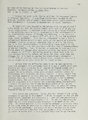
Show 2l to fight, too. Eyring, realizing he was much smaller than the second boy, charged immediately and knocked him down. only temporary. young Eyring. clothes. But the advantage was The older boy soon had the upper hand and soundly beat He remembers going home late with a bloody face and dirty The family was sitting at the dinner table when he walked in. His father laughed at his scrappy son's two black eyes, as his mother cleaned up his face. This, as it turned out, was the last time he engaged in combat. The fall of l9l4 brought another move for the Eyring family. Edward Eyring sold his Thatcher livery stable and bought a ninetyeight acre farm in Pima, Arizona. This was the last move for his family. The six-mile journey from Thatcher to Pima was made on a hay wagon. The farm had only a small two room house on it when they arrived so Caroline Eyring and her children lived in the house and Emma Eyring's family lived in a tent until a house could be built. The older boys, including Henry Eyring, slept in the barn on straw and corn cobs. Since only forty acres of the farm was under cultivation, the Eyrings had to clear fifty-eight acres of mesquite trees and brush, burn them and then plow the hard soil. It was difficult, hard work, Henry Eyring remembers. He worked behind a team consisting of a work horse and a mule as he plowed the hard pan Arizona soil. Each time the plow blade came up out of the ground, the team would break into a trot and young Eyring would cuss until he slowed them down and was able to get the plow into the ground again. With the farm, Edward Eyring was able to get into the cattle business again, but to a lesser extent than in Mexico. One year he felt it wise to keep his cattle for three or four months longer because the price |