| OCR Text |
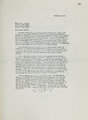
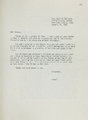
Show 75 and family. Mrs. Eyring said the decision should be her husband's, but deep down in her heart she wanted to go back home to Utah. At first he took his wife's reply as a signal that she didn't care one way or the other, so his first reply to President Olpin was no, and he wrote a letter to him to that effect. Princeton's administration was happy about the decision but Professor Taylor cautioned that the storm was not yet over. When Eyring told his wife the decision he had made, she was crushed but did not communicate her feelings for a couple of days when she wrote her husband a letter expressing her true feelings and sent it with him to work with a promise not to read it until he got there. After reading the letter he went to his good friend and col- league, Hugh Taylor, and told him he was going to Utah. Professor Taylor asked Eyring if he wanted the prestigious Jones Professorship, a chair he himself held and assured him Princeton could offer much more financially and in other ways than Utah could. been made. But the decision had In one last effort to keep Eyring at Princeton, Taylor asked if he could speak to Mrs. Eyring. She later wrote: He came and we talked. He warned me that it was wrong for Henry to bury himself in Utah--that he would regret it and would hold me responsible, etc., etc. I said I was willing to take that chance--although I did have some very real apprehension about it. I knew Utah better than Henry or Taylor dgg, and I had confidence in Pres. Olpin and in the U. of U. In Utah, Dr. Olpin chuckled as he read Eyring's telegram saying to disregard the letter he had just received a few hours before saying he would not come to Utah. The University of Utah had a new Dean of the Graduate School. On at least two other occasions before, Princeton had come close to losing Eyring. After four years as a research associate in chemistry he |