| OCR Text |
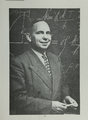
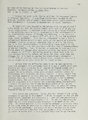
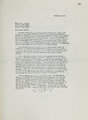
Show 76 had expected a promotion and a larger salary increase. Both expectations met with disappointment when Eyring received his contract for the l93536 school year. Not satisfied, Eyring wrote to Professor George Kistiakowsky at Harvard about the possibility of going there, but Harvard had already committed its funds for the next year.54 The nego- tiations, however, had the desired effect, for the following year Princeton gave Eyring both a raise and an increase in rank. For the next two years (l936-38) he held the rank of associate professor. In the spring of l938, Eyring was offered an attractive position at the research laboratory of Westinghouse by E. U. Condon at a salary of $7200. Eyring almost went, but to keep him, Princeton gave him $6200 and a full professorship. At the time, the $6200 was slightly more than a beginning full professor's salary there.55 But money and position could not keep Eyring at Princeton in l946. ‘He loved his wife and he could not see how moving to Utah would seriously affect his career, even though he was happy-at Princeton. He was a the- oretical chemist and could develop his work as well in Utah as in New Jersey. Taylor, always generously wishing the best for his friend and colleague, arranged for a special dinner to honor Eyring and his wife before they left for their new home. He spoke on this occasion about Henry Eyring's contribution to science and to Princeton, but his remarks also give a view of the true greatness of Taylor himself. It reads as follows: I have been asked by President Dodds and Dean Brown to express to Dr. and Mrs. Eyring the best wishes of the Uni- versity for their success in their new venture out West-and the best thanks of the University community for the l5 years of faithful, fruitful and selfless service to the Department of Chemistry at Princeton by our colleague and good friend, Henry. |