| OCR Text |
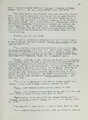
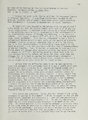
Show l2 Madero, a Mexican aristocrat educated in U.S. schools, announced his intention to run against Diaz in the October l910 election. Diaz promptly placed Madero in prison and was easily elected to his seventh consecutive term of office. Madero escaped from prison very shortly and de- clared himself to be provisional president and called upon the people to give him their support. Under Madero's leadership, revolutionary forces were organized against the Diaz regime. The revolt began in the northern states of Mexico, Chihuahua being the first to declare allegiance to Madero. The Mormon colonies located primarily in Chihuahua, quickly let it be known they were neutral, a position they maintained throughout the revolution. Madero's revolution was successful in that the Diaz regime was quickly overthrown, but unsuccessful in that Madero lacked the leadership qualities necessary to bring stability to Mexico. deposed after a few months as president. He was The choatic conditions brought sudden changes for the Eyring family and other Mormon families in northern Mexico.26 Frequently during the Madero revolution, colonists were coerced into supplying goods for revolutionaries in return for receipts which would be made good if the revolution were successful. More than once Edward C. Eyring.supplied beef for Madero's soldiers. With Madero's failure to establish a stable government, revolution in Mexico continued. In Chihuahua, Pascual Orosco led another revolt, this time against Madero. The "Orosco Revolution" led to increased demands on the colonists. Eyring recalls riding with his father in early l9l2 and meeting an army of 200 soldiers, some soldiers of fortune, out looking for a fight. |