| OCR Text |
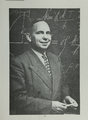
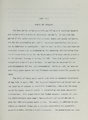
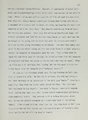
Show 158 A young lady missionary from Utah, serving in the New Brunswick area recalls how down to earth Eyring was. She recalled how he made every member of the branch feel important and wanted, how intense his respect for others was, and what a fine time everyone had at the socials. She would have never known that Eyring was a world famous chemist and professor at Princeton had not others told her 50.6 In addition to the branch picnics and socials, the New Brunswick Branch frequently played softball with the Mormon branch in Philadelphia. Robert H. Daines, first counselor to Eyring, was the New Brunswick Branch pitcher and Eyring played the position of catcher. Eyring was as fond and proud of his work with his church as he was with his scientific endeavors and it was certainly an essential part of his life at Princeton. In January l942, with restrictions on fuel due to World War II, the New Brunswick Branch was divided and Eyring was made branch president over the new Princeton Branch while Dr. Daines, who had served as his first counselor since l932, was made president of the New Brunswick Branch. Eyring continued in his unassuming way to preside over members at Princeton until in January l945, he was called to be president of the New Jersey District of the Church, which gave him responsibility for all Mormons in the southern part of New Jersey.7 He served in this capacity until he and his family left Princeton to move to Utah in August l946. Eyring's prominence as a scientist and faithful Latter-Day-Saint brought recognition from his Church. As early as l94l, he was requested to write for the Church's Improvement Era an article on "Why be a LatterDay-Saint?"8 This was to be the first of numerous articles to be written for the chUFCh by Eyring, eXplaining how he as a scientist could believe in God and how he could see no necessary conflict between science and |