| OCR Text |
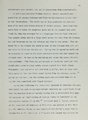
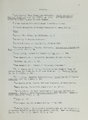
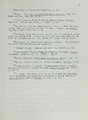
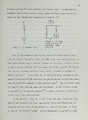
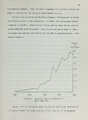
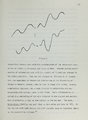
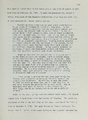
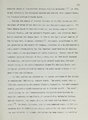
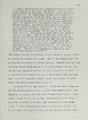
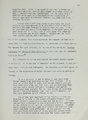
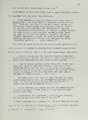
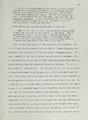
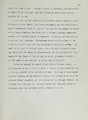
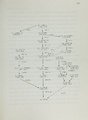
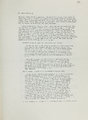
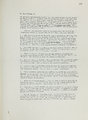
Show 74 process could be fit into absolute rate theory terms. Eyring and his students, particularly George Halsey, began writing a whole series of papers on the "Mechanical Properties of Textiles."50 fie] Figure 3 - A Maxwell unit Figure 4 - A model which suffices to represent fiber behavior. When Eyring announced that he was leaving Princeton and his post with the Textile Foundation after the I946 school year the Institute, to show appreciation, held a special luncheon in his honor. At this dinner, it was announced that the Institute would establish a special fellowship, the "Textile Research Institute Henry Eyring Fellowship in Scientific Textile Research." In addition, Mr. H. Nickliffe Rose, chairman of the board of directors of the Institute praised Eyring for raising the stand- ards of scientific research in the textile fiel d.51 for them in less than two years was astounding. What he accomplished He had become a recog- nized authority in textile research,52 a subject in which he would make future significant contributions. In the spring of l946, Dr. A. Ray Olpin, the newly installed Presi- dent of the University of Utah, approached Eyring and offered him the choice of two positions at the University, Dean of the School of Mines or Dean of the Graduate School. Eyring immediately consulted his wife |