| OCR Text |
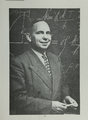
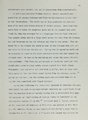
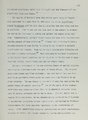
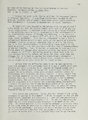
Show 159 religion. Earlier, Spencer w. Kimball, who would eventually become the President of the Mormon Church, wrote about Eyring: His success comes of the combination of keen intellect, rare ambition, Edison-like industry, perseverance and the liVing of.a clean life. Though his scientific work is much to him, his family ties and his Church are more important. His search for the Truth has followed a religious, as well as scientific trend. Truly this young man has lived up to the immortal lines of Kipling: 'If you can talk with crowds and keep your virtue, 0r walk with Kings-nor lose the common touch, If neither foes nor loving friends can hurt you, If all men count with you, but none too much: If you can fill the unforgiving minute, Nith sixty seconds worth or distance run, Yours is the earth and everything Bhat's in it, Andwhich is more-you'll be a man, my son!‘ Henry Eyring had immense satisfaction with his work, but his family and church really did count as being more important. And even though he spent long hours at the laboratory at Princeton, his family never doubted that they were more important to him. When the Eyrings were confronted with the question as to which private school their boys would be sent to, , they replied that the local public school would be more than adequate for their sons' educations. Although Eyring had ample opportunity to parade some of the greatest scientists and scholars in the world before his children while they lived at Princeton, it never entered his mind to do that. His sons didn't really know of the world fame their father had. They were raised in a typical Mormon home without any fanfare. Eyring gave his sons praise and encouragement just as he had received from his parents. In the same way, he praised all those who surrounded him, whether at home or work. The move from Princeton to Utah in l946 was motivated by Mrs. Eyring's desire to return home, but it also came at an opportune time for their three SOHSschool left. Ted, the oldest, had only two years of high Eyring had thought that it would be necessary to send his |