| OCR Text |
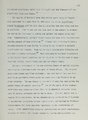
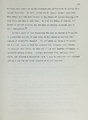
Show 22 of beef was sure to go up. But instead prices went down and his herd of cattle was worth $4,000 less. Despite such serious setbacks, the Eyring's continued as they had after the Exodus. However, young Henry Eyring says he never felt poor throughout the whole ordeal. The first fall on the farm produced another amusing incident in Eyring's life. Some of the Eyring horses had gotten loose and had broken into the next door neighbors' (Bishop Philemon Merrill's) alfalfa fields. Eyring was given the chore of getting them out. Just as he was about to get the last horse out, the herd broke and ran back into the fields and he had the job to do over again. When the horses broke a third time, all of his patience was gone and he gave the horses a terrific tongue lashing, one he is still ashamed of. Finally, he was able to get them out, but in the process another neighbor, Charles Ferron overheard him. Later, when he went to work for Mr. Ferron on his farm, Mr. Ferron recalled the first time he met Henry Eyring and asked the young boy if he remembered the incident. When he said yes, then Mr. Ferron, because of the bad language he had used, remarked, "It would have been all right with him if brother Eyring had of drowned him when he was born."31 The work for Mr. Ferron for several summers at Pima substantially aided the family finances. Each month Eyring would give his $75 check to his father for family expenses and farm payments. never felt badly about the arrangement. He Whenever he needed money for school activities or for special occasions, his father provided willingly what money his son needed. As his brothers and sisters began to make money on their own, Henry Eyring asked each to provide what he could to get their parents out of debt. He provided several thousand dollars himself over the next several years. The farm was finally paid |