| OCR Text |
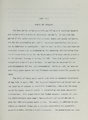
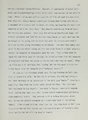
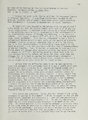
Show 44 reason-~what were the implications of the new quantum theory to the question of reaction rates? The next year Eyring was given the opportun- ity to investigate that question more seriously. Eyring had been critical of the way the physical chemistry program was being administered at Wisconsin. In particular he felt that physical chemistry was not being taught by the chemistry department's best people. The chairman of the department took offense to Eyring's criticism, and as a result, the University went to the trouble of securing a National Research Foundation fellowship for him to study for a year in Germany.25 Eyring was delighted at the prospect of such an experience and readily accepted, for it gave him a chance to look deeper into reaction kinetics. f Professor Van Vleck, well acquainted with Europe and its transportation system, outlined in detail how Eyring should travel to Berlin. His plans also included a visit to J. A. Christiansen, the famous Danish physical chemist in Copenhagen. After a visit with family in the West, Eyring and his wife26 set out for Europe as Dr. Van Vleck had outlined. Originally, Eyring was to work with Professor Max Bodenstein, but it was learned that he would be away when Eyring was scheduled to arrive. As a result, his appointment was changed from Bodenstein to Professor Michael Polanyi (l89l-l976), head of the kinetics division of physical chemistry at the Kaiser Wilhelm Institute. As it turned out, Polanyi was with Bodenstein at the dedica- tion of the new Frick Chemical Laboratory at Princeton University and so no one greeted Eyring when he arrived in Berlin to go to work. Eyring, however, did not wait for Polanyi and he began working in the Fritz Haber Laboratory at the Institute as soon as he was settled. Professor Polanyi soon returned and the two began a program of extensive |