| OCR Text |
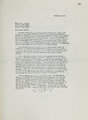
Show l74 later, he felt obligated to respond directly to Eyring. Eyring answered the lengthy letter in a conciliatory way and expressed gratitude that brethren in high positions in the Church were allowed to disagree on questionable subjects.39 Following the exchange of letters, President Smith invited Eyring and Cook to visit with him about the questions his book raised. Later, Eyring recalled the substance of that meeting and his personal feelings for President Smith: As many people have remarked President Joseph Fielding Smith was a man without guile. He presented every question exactly as he saw it and accepted the consequences of his position whether this was pleasant or unpleasant. Every one who knew him even remotely knew that he was against sin but it is only less generally known that he loved the sinner. This can be illustrated by a personal experience of the author. I was trained as a mineral engineer so that it comes natural for me to interpret the seven periods of creation as long geological ages. Radioactive dating and other methods of arriving at the antiquity of the earth incline many professionals to this position. Some years ago, President Smith invited Dr. Melvin Cook and me to his office to discuss this and related questions. A lively hour long discussion ensued. As so often happens, each person brought up the argument which supported his position and we parted each with much the same position he held when the discussion began. But what was much more important, the discussion proceeded on a completely friendly basis without recrimination and each matter ended there. No one was asked to conform to some preconceived position. The church is committed to the truth whatever its source and each man is expected to seek it out honestly and prayerfully. It is, of course, another matter to teach as a doctrine of the church something which is manifestly contradictory and to urge it in and out of season. The author has never felt the least con- straints in investigating any matter strictly on its merits, and this close contact with President Smith bore out this happy conclusion. That the issues raised by President Smith's book were not settled with this meeting was apparent, for in the spring of l956, David O. McKay, President of the Church, requested information from Eyring on a paper Professor Cook had written for President Smith on scientific |