| OCR Text |
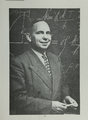
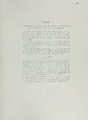
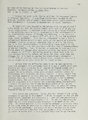
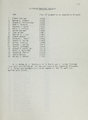
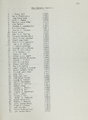
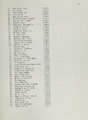
Show l42 distinction does not come, Eyring will not be the only great chemist that the Nobel committee has passed by, for one of the greatest of the twentieth century, G. N. Lewis, did not receive the award. The many awards Eyring has received are ample evidence of the great influence he has had on chemistry in this century. Eyring's enthusiasm for science, together with his unique personality, produced one of chemistry's great teachers. On the occasion of his seventieth birthday over two hundred students, collaborators, colleagues and other scientists from throughout the United States and the world gathered to honor him in a three day symposium. The papers presented at the symposium, sponsored by the chemistry department at the University of Utah and the Physical Chemistry Division of the American Chemical Society, were published by Niley-Interscience under the title Chemical Dynamics. One reviewer said of this volume: "The book defies compre- hensive and detailed technical review by any individual of lesser universality of authority than Eyring himself."35 But the festschrift in chemistry contained much more than praise for his scientific achievements. Scattered throughout its more than 800 pages, and in a bound volume of letters sent to Eyring on the occasion, are anecdotal reminiscences and tributes which testify to his great inspiration as a teacher and humanitarian. These stories and comments bring a number of points to focus about Eyring as a teacher. of science. For one thing, he was deeply committed to the study The subject was of continuous interest to him; he had a fulltime concern about understanding the intricacies of nature. Joseph 0. Hirschfelder, his oldest living doctoral student and a great physical chemist himself, wrote: |