| OCR Text |
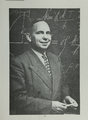
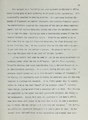
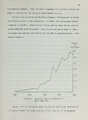
Show 89 capable scientists throughout the United States. At the annual meeting of the American Chemical Society held in Los Angeles in March, l953, he asked for increased federal support of basic scientific research. He had lived through the demise of German scientific pre-eminence and could see the impending rise of science in the U.S.S.R. Despite the strange political theories of Trofim Lysenko and other Russian scientists that the Soviet government supported, Eyring knew "molecules have a way of ignoring the political opinions of experimenters,"14 and if the Russians poured money into basic research, they would get important scientific results too. In the United States, Eyring felt a keen need to attract more capable people to the science professions. For him, the best dollars society could spend were those which went into capable hands for fundamental research. For Eyring, it was not just a matter of a strong nation-wide research program to head off the Soviet threat, but that the results of such basic research could be used to make the world a better place to live in: Regardless of Eyring's influence outside of Utah, his twenty years as Dean of the Graduate School had brought about the most dramatic change in over a century of the University's history. As Dean, Eyring was in- volved in numerous other activities which aided in building a good graduate program and University. He maintained a busy schedule of committee meetings and had numerous visitors, some expected and some unannounced. His door was open to all and whether the visitor was a corporation president, a student, or a janitor, he had time for them. His rapport with the public was an important asset in building a good, even excellent reputation for Utah. As Dean, he was a key individual on important school committees and even though he may not have been chairman or |