| OCR Text |
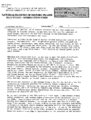
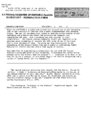
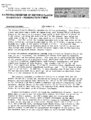
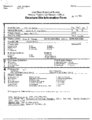
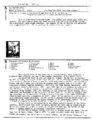
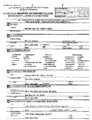
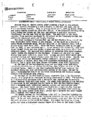
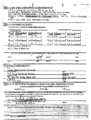
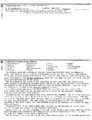
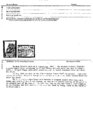
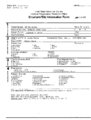
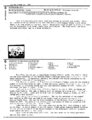
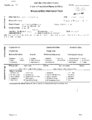
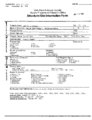
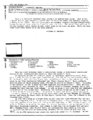
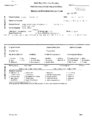
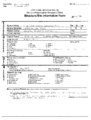
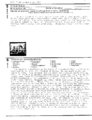
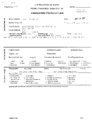
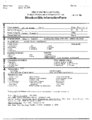
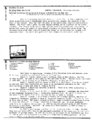
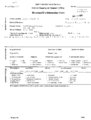
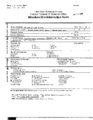
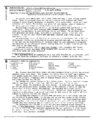
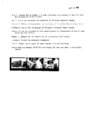
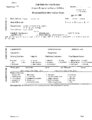
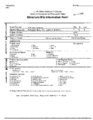
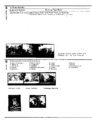
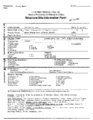
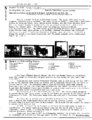
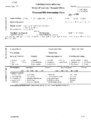
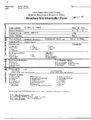
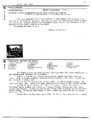
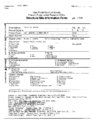
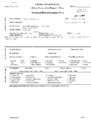
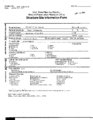
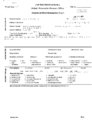
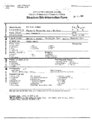
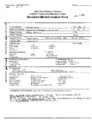
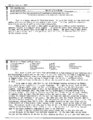
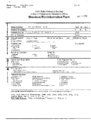
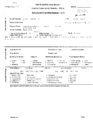
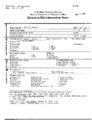
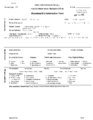
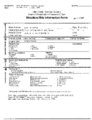
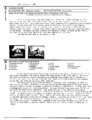
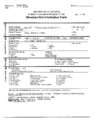
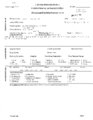
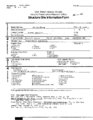
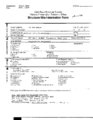
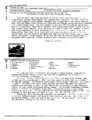
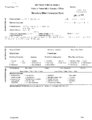
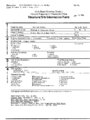
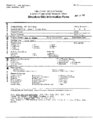
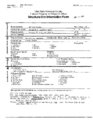
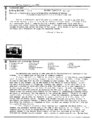
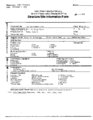
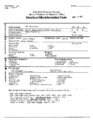
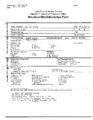
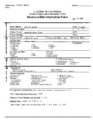
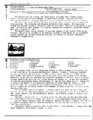
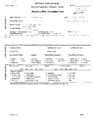
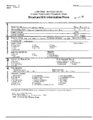
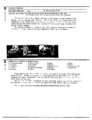
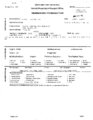
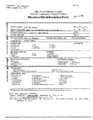
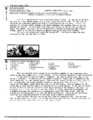
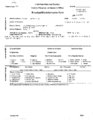
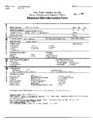
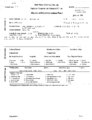
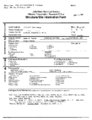
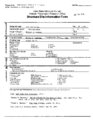
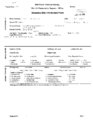
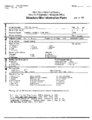
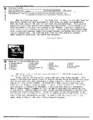
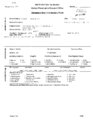
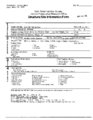
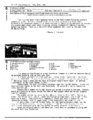
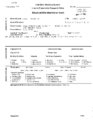
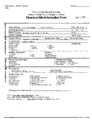
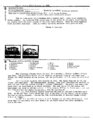
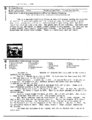
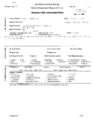
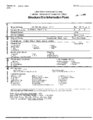
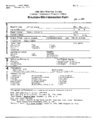
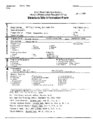
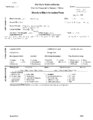
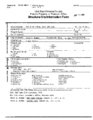
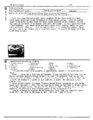
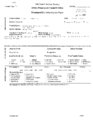
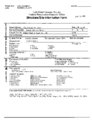
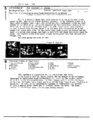
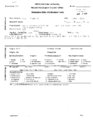
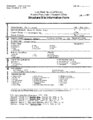
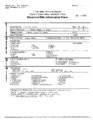
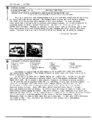
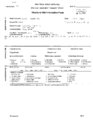
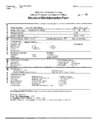
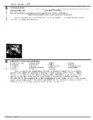
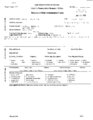
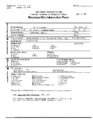
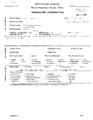
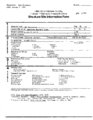
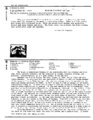
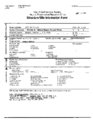
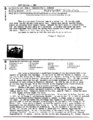
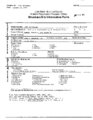
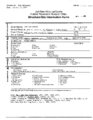
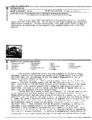
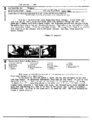
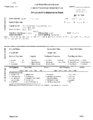
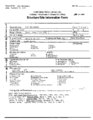
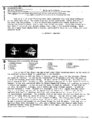
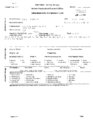
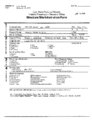
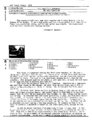
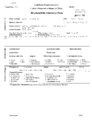
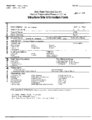
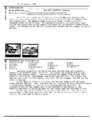
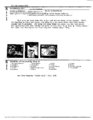
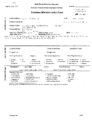
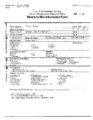
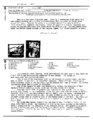
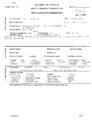
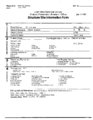
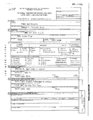
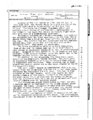
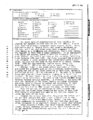
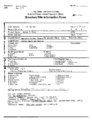
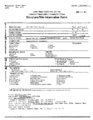
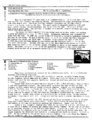
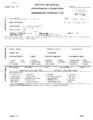
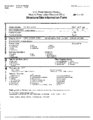
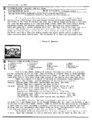
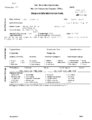
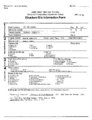
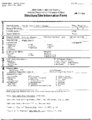
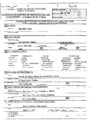
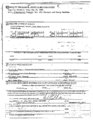
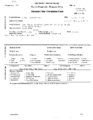
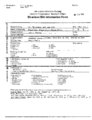
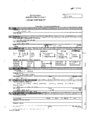
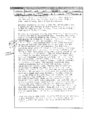
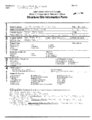
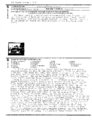
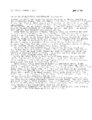
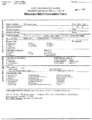
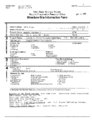
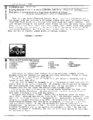
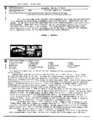
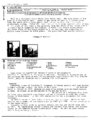
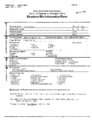
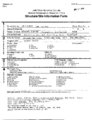
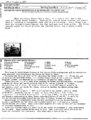
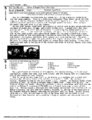
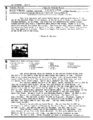
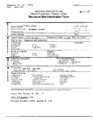
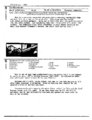
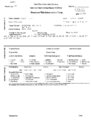
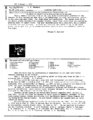
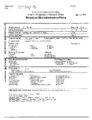
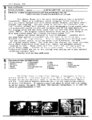
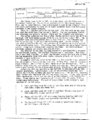
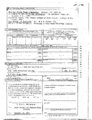
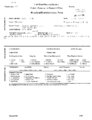
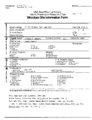
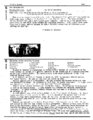
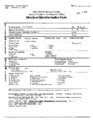
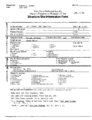
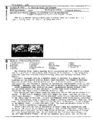
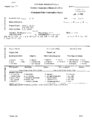
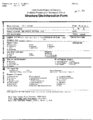
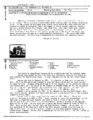
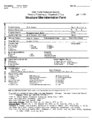
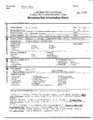
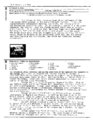
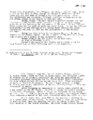
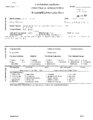
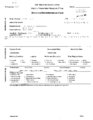
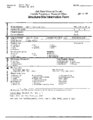
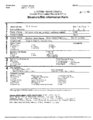
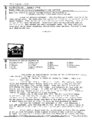
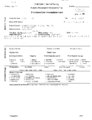
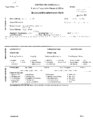
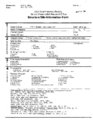
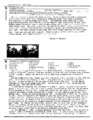
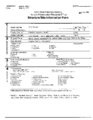
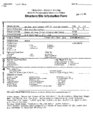
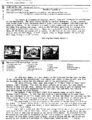
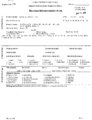
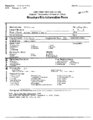
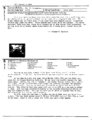
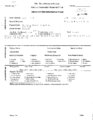
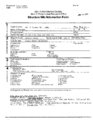
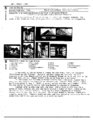
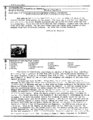
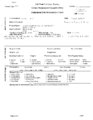
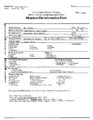
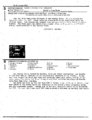
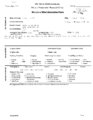
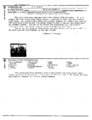
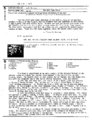
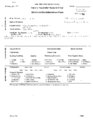
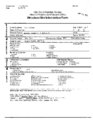
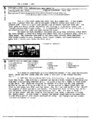
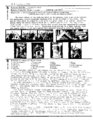
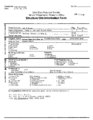
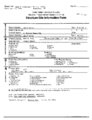
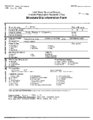
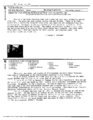
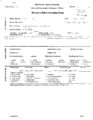
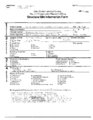
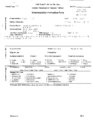
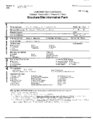
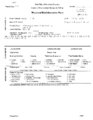
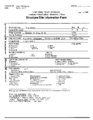
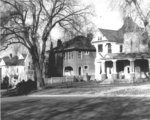
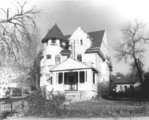
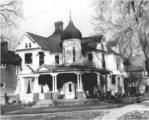
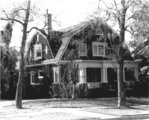
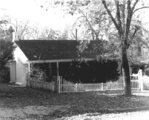
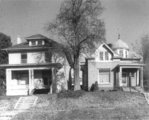
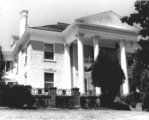
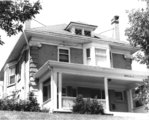
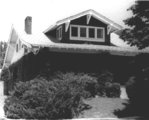
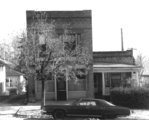
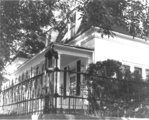
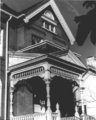
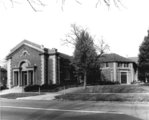
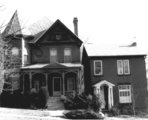
Show 120 0 Street - ca. 190? Architect/Builder: Building Materials: stuccoed Building Type/Style: '~ g ft Description of physical appearance & significant architectural features: (Include additions, alterations, ancillary structures, and landscaping if applicable) -H x u cc < On R Statement of Historical Significance: >; O </5 I triple _-_--. and other details may be later alterations, G Aboriginal Americans D Agriculture D. Architecture D The Arts D Commerce D D D D D Communication Conservation Education Exploration/Settlement Industry D D p D a Military Mining Minority Groups Political Recreation a D n a Religion Science : Socio-Humanitarian Transportation The one-and-a-half story gable-roofed bungalow is historically signifi cant-because of its association with one of Utah's most prominent architect, of the early 20th Century, IT. Edward LiljenJ>erg, This replaced; a pre-1898 brick dwelling. This -property which included, that for 124 0 was bought in 1907 for -151950 from Mary A. Mulryan by Anna. S. Liljenberg. She: and her husband H. Edward moved into the house which may have been built that year by Liljenberg or by Mulyran whose husband James was a carpenterbuilder. . - " : . N. 5. Liljenberg (1869) was born in;-Sweden, he trained ; as an architect there, came to the United States in 1388, and settled in New York where he worked for an architectural firm. In the next decade he was-chief architect for the military barracks at Stockholm, Copenhagen, St. Petersburg, and Nurden, Manchuria. In 1902 Liljenberg came to Salt Lake City, several buildings on the V/es train ster College Campus, Murdock Academy, the IXL Furniture Company, as well" as a, number of schools and private residences. In 1912 Liljenberg sold the house to Albert E. Bennett and for the next forty years the house was a. rental property, passing from Bennett to his wife, Emma T. Bennett, in 1926. In 19^6 she sold it to ITarron G. Brovme. |