| OCR Text |
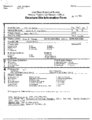
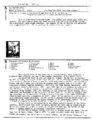
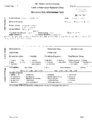
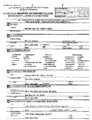
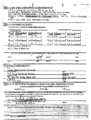
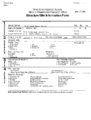
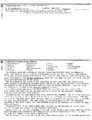
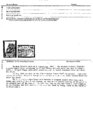
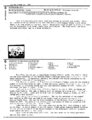
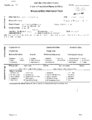
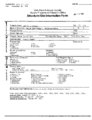
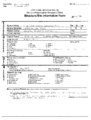
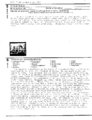
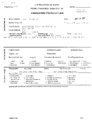
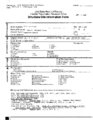
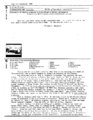
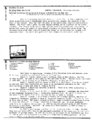
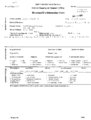
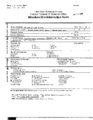
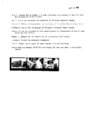
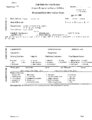
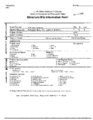
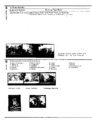
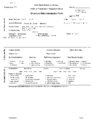
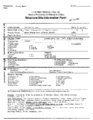
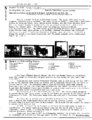
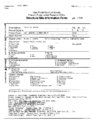
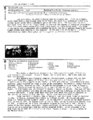
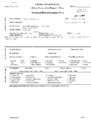
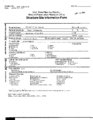
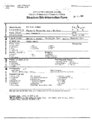
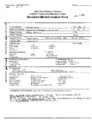
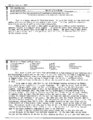
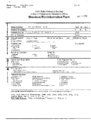
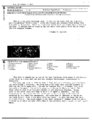
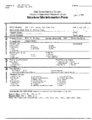
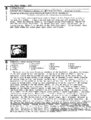
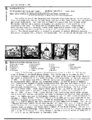
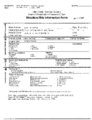
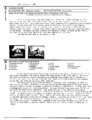
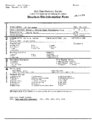
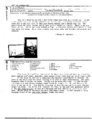
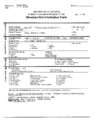
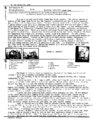
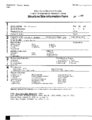
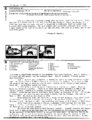
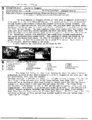
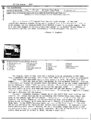
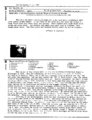
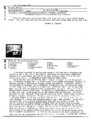
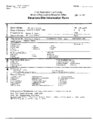
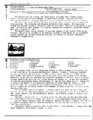
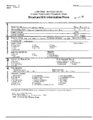
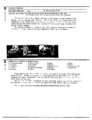
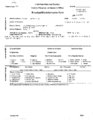
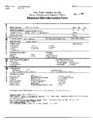
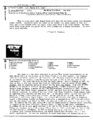
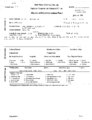
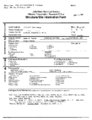
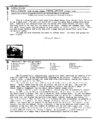
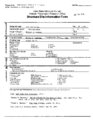
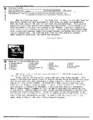
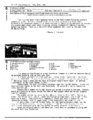
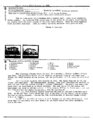
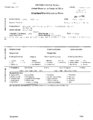
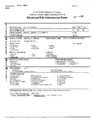
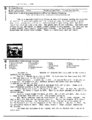
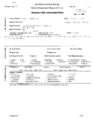
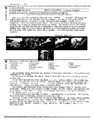
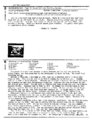
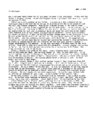
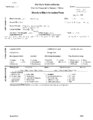
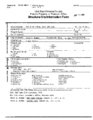
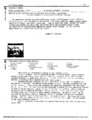
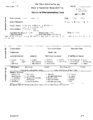
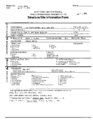
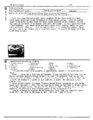
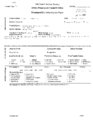
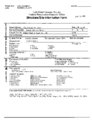
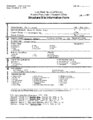
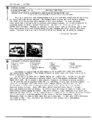
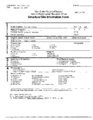
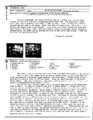
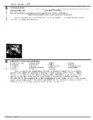
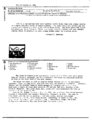
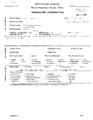
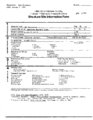
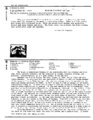
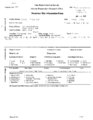
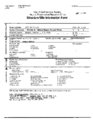
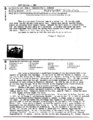
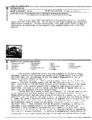
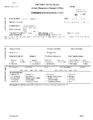
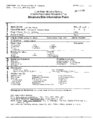
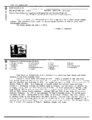
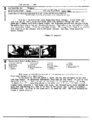
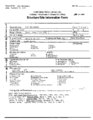
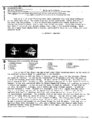
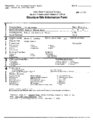
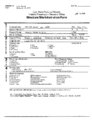
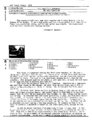
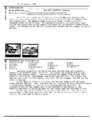
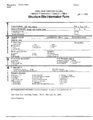
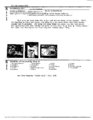
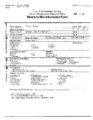
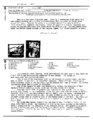
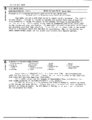
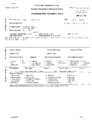
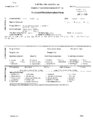
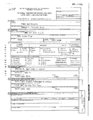
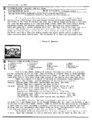
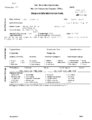
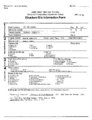
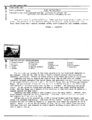
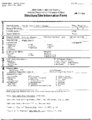
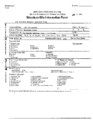
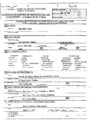
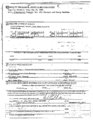
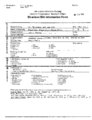
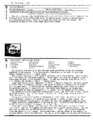
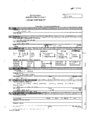
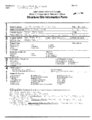
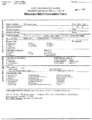
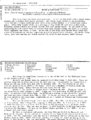
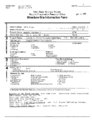
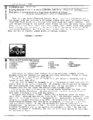
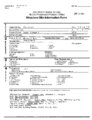
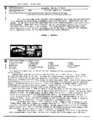
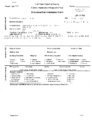
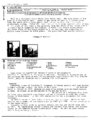
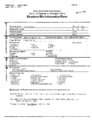
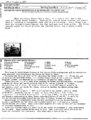
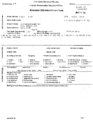
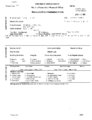
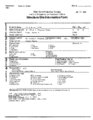
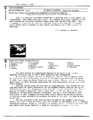
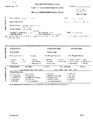
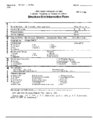
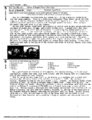
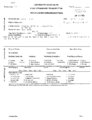
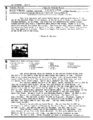
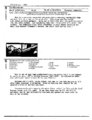
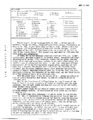
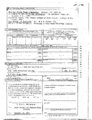
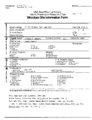
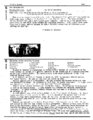
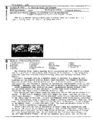
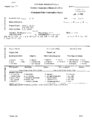
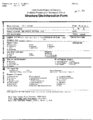
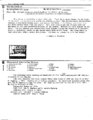
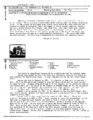
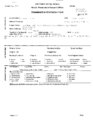
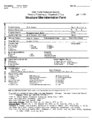
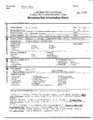
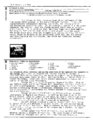
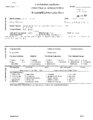
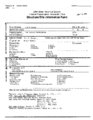
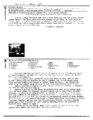
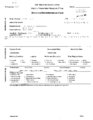
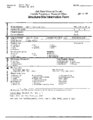
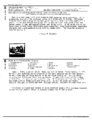
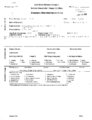
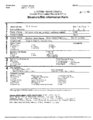
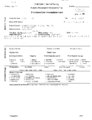
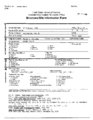
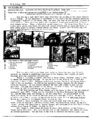
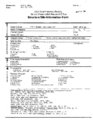
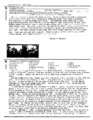
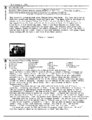
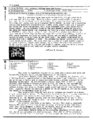
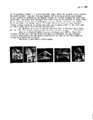
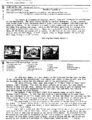
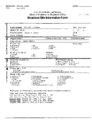
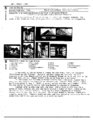
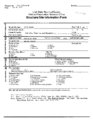
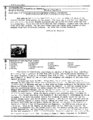
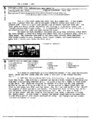
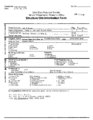
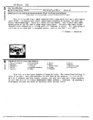
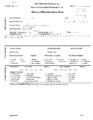
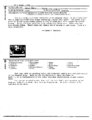
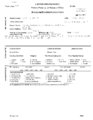
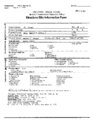
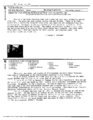
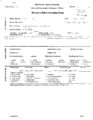
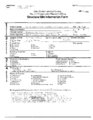
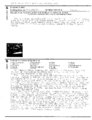
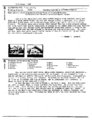
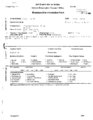
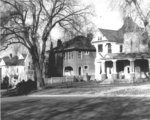
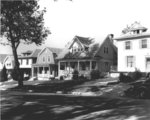
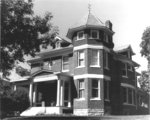
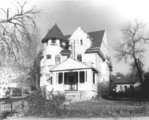
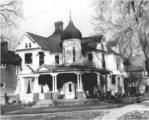
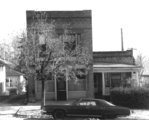
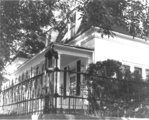
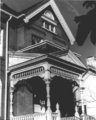
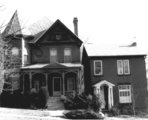
Show 178 E Street-c. 1869-1873 Architect/Builder: Building Type/Style: Building Materials: brick Ame Description of physical appearance & significant architectural features: (Include additions, alterations, ancillary structures, and landscaping if applicable) This is a two-story Queen Anne style mansion. It has a gable roof with a triangular south dormer window and a tall, rectangular southwest corner tower with a pyramidal roof topped by an ornate wrought iron finial. The elaborate front gable has a metal finia], carved panelled fascia boards, a large sunburst panel with dentil molding below, diamond-shaped decorative panels, wood shingle siding, and a triple attic window with small square panes. TTie corner tower has a bracketed dentilled cornice, ornamental brick panels, and a round arched window and a rectangular window that both have decorative upper sash. The other windows of the house ; have brick arched openings with carved wood trim. There are rear and side chimneys. There is also a wooden one-story porch with a metal finial, and a large two-story frame rear wing. -Thomas W. Hanchett Statement of Historical Significance: a D » 8 K Aboriginal Americans Agriculture Architecture The Arts Commerce O d D Q D Communication Conservation Education Exploration/Settlement Industry a D O O D Military Mining Minority Groups Political Recreation D O a D Religion Science Socio-Humanitarian Transportation This house is significant because of its Queen Anne style. It was built by William Lamboumeand Martha Lambourne. They were pioneers in Utah and their children were prominent in art. Joseph J. Daynes was the first L.D.S. tabernacle organist and lived here a while. William Lambourne, a paper hanger and later a designer, built this house between 1868 and 1873. He listed at this address in 1874. Lamboum^, a native of Chirvely, Berkshire, England. He came to Utah in 1866 and died in 1887 in his 65th year. His wife Martha continued to live in the house until 1889. She was born May 22, 1935, in England and died in 1912. (see also 188 E Street) In 1889 Martha Lambourne sold the house to Joseph J. Daynes, the Tabernacle organist. Daynes lived here until 1900. He lived in several houses between 1900 and 1904 and moved to his new home at 38 D in 1904. Joseph John Daynes was the first Salt Lake Tabernacle organist and worked in that position for 33 years. He also composed some of well loved Mormon tones. Daynes was born in England in 1857. He emigrated to Utah with his parents in 1862. While in England he had learned to play the piano and he gave an organ recital to Queen Victoria. Brigham Young asked him to be the organist in the Tabernacle when he was 16 years old. He played at the first conference in the tabernacle in October 1867. He also played at the funeral of Brigjiam Young and for the dedicatory service of the Salt Lake Temple. He startdd the free organ recitals that are still held in the Tabernacle. Twelve of his hymns are now in the L.D.S. hymn book. Daynes died on January 15, 1920. At his funeral in his home ward chapel, 20th Ward, Evan Stephens, another well-known Utah musician, called Daynes "one of the greatest organists of his time." In 1900 Benjamin W. Tibby, a mining engineer, moved into the house. Tibby was born on August 7, 1848, in Blueford, Breckenshire, South Wales. He came to America in 1863 and settled in St. Glair, Pennsylvania, where he was involved in coal mining. In 1878 he |