| OCR Text |
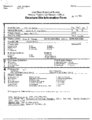
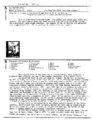
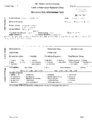
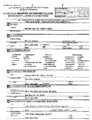
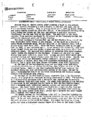
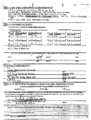
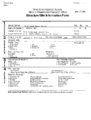
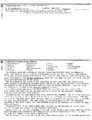
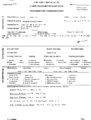
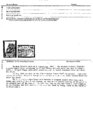
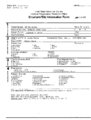
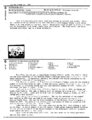
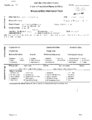
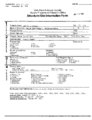
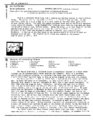
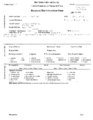
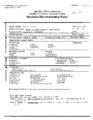
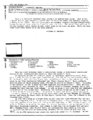
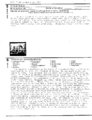
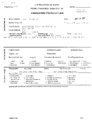
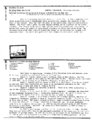
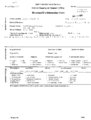
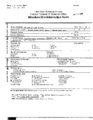
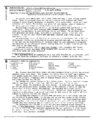
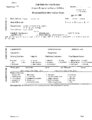
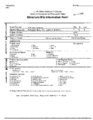
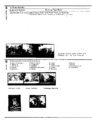
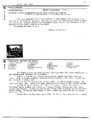
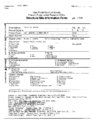
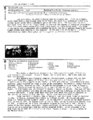
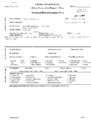
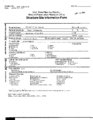
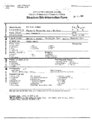
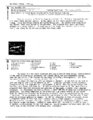
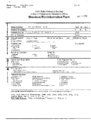
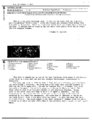
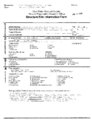
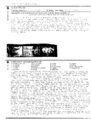
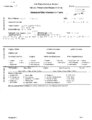
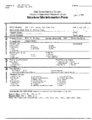
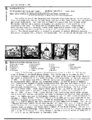
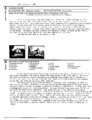
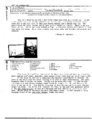
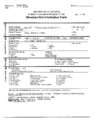
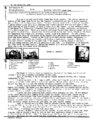
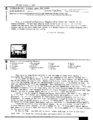
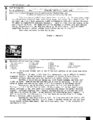
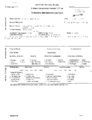
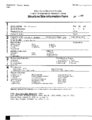
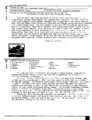
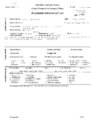
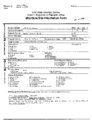
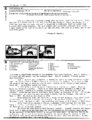
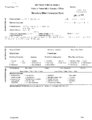
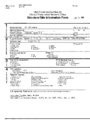
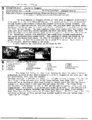
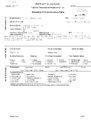
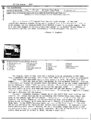
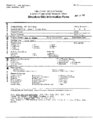
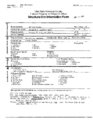
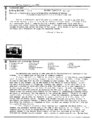
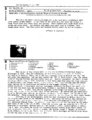
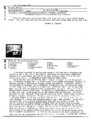
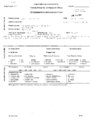
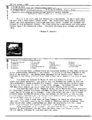
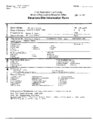
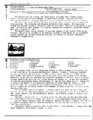
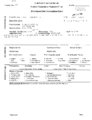
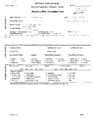
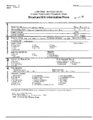
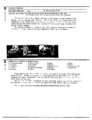
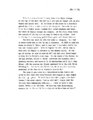
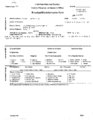
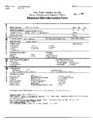
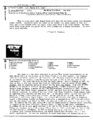
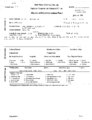
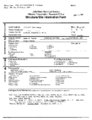
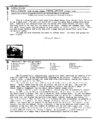
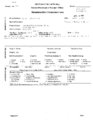
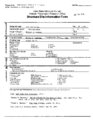
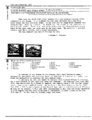
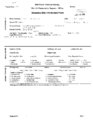
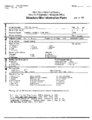
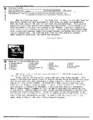
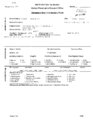
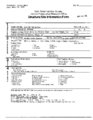
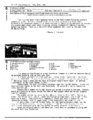
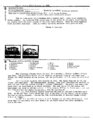
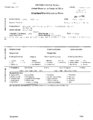
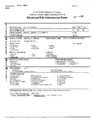
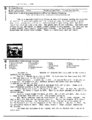
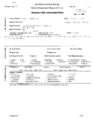
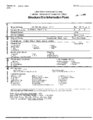
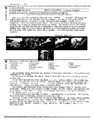
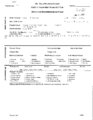
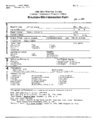
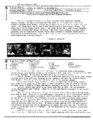
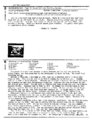
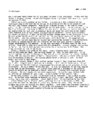
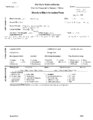
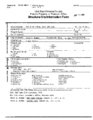
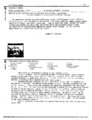
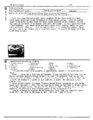
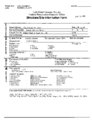
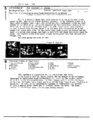
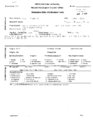
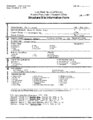
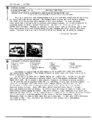
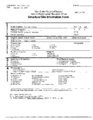
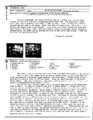
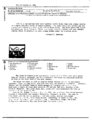
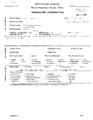
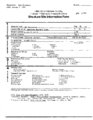
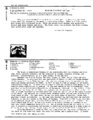
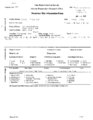
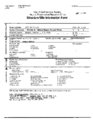
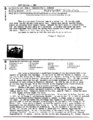
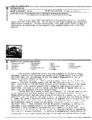
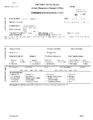
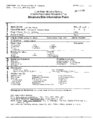
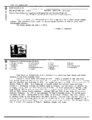
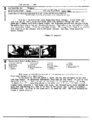
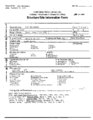
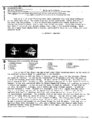
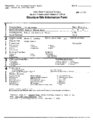
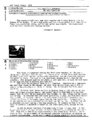
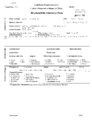
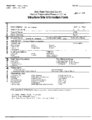
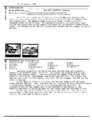
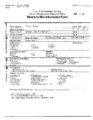
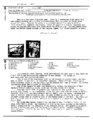
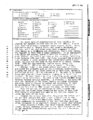
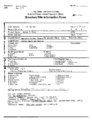
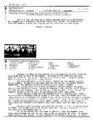
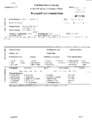
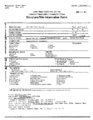
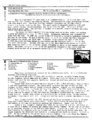
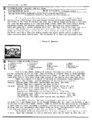
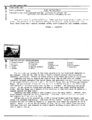
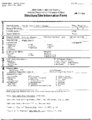
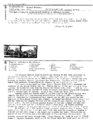
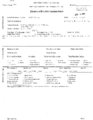
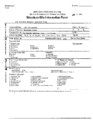
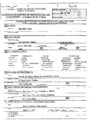
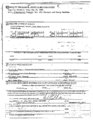
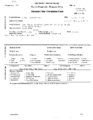
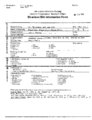
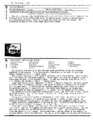
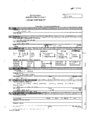
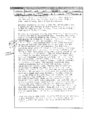
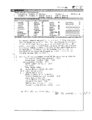
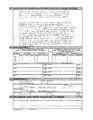
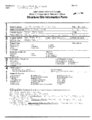
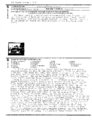
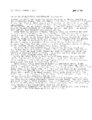
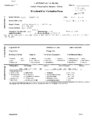
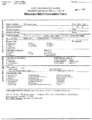
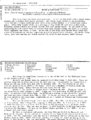
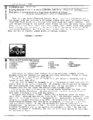
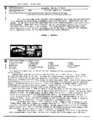
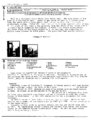
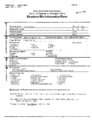
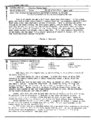
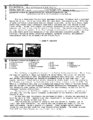
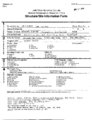
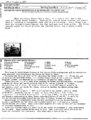
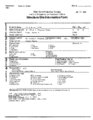
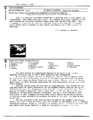
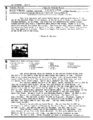
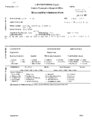
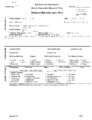
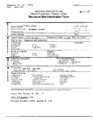
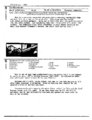
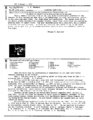
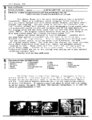
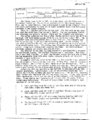
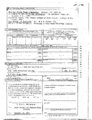
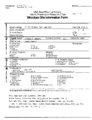
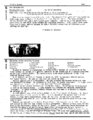
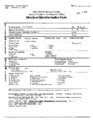
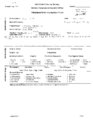
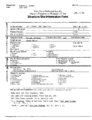
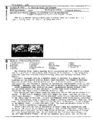
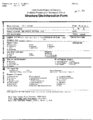
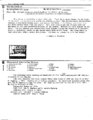
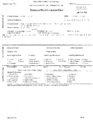
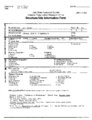
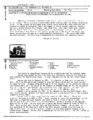
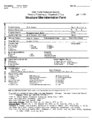
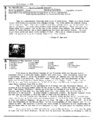
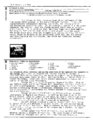
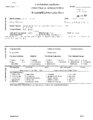
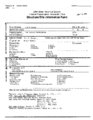
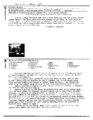
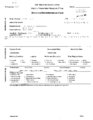
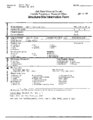
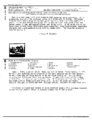
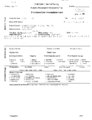
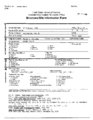
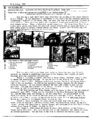
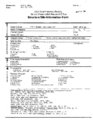
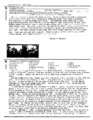
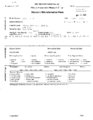
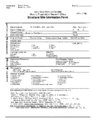
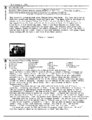
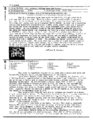
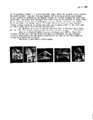
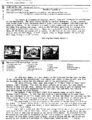
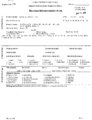
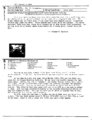
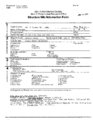
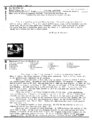
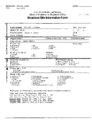
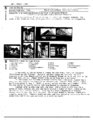
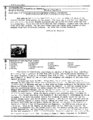
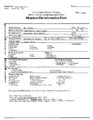
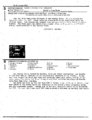
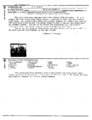
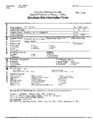
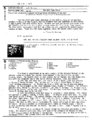
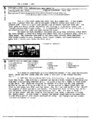
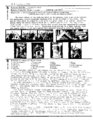
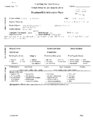
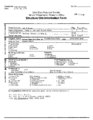
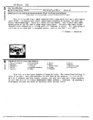
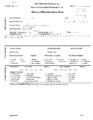
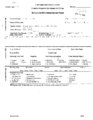
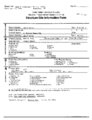
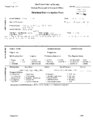
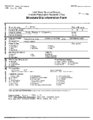
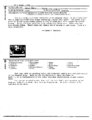
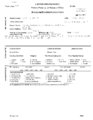
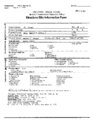
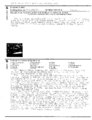
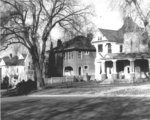
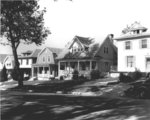
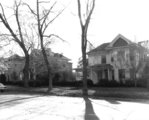
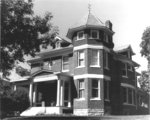
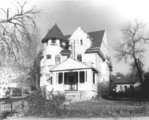
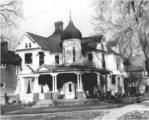
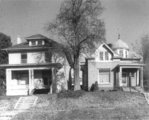
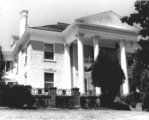
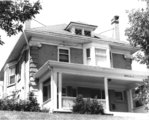
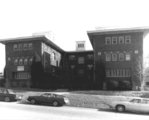
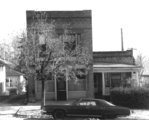
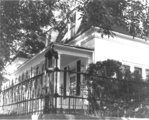
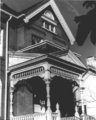
Show 1225 2nd Avenue-1903 Architect/Builder: Building Type/Style: Box Style Building Materials: brick Description of physical appearance & significant architectural features: (Include additions, alterations, ancillary structures, and landscaping if applicable) This is a large two story : ' Box Style home. It has a hip roof with front and side dormer windows that have modillions in their eaves and small iron balustrades. Under the broad eaves of the main hip roof there are also modillions. There are wood paneled two story front and side bay windows with swag molding. In the bottom of the front bay window is the front door flanked by oval windows. There is a curved brick corner window on the southwest second floor front. Windows in the house include large faced windows with transoms, simple double-hung windows, and windows with round arched tops of corbeled brick. The south and east front porch has modillion brackets, ionic columns on stone posts, and curved iron balusters. -Thomas W. Hanchett Statement of Historical Significance: D a n P D Aboriginal Americans Agriculture Architecture The Arts Commerce a D a D n Communication Conservation Education Exploration/Settlement Industry D O a a D Military Mining Minority Groups Political Recreation D D D D Religion Science Socio-Humanitarian Transportation This house is one of the best preserved examples of Box Style architecture remaining in the Avenues. It was built in 1903 for Earl T. Harvey, who was a real estate salesman. After living in the house for several years, he moved to another one in the Avenues and rented this one out until 1921 when Christopher B. Diehl bought it. Born in Salt Lake City January 10, 1873, he was a lawyer. He served for a short time as a Salt Lake City Judge and then became a corporate lawyer for the Union Pacific Railroad. In 1925 he sold the house to Alexander E. Eberhardt, a well-known Salt Lake City businessman. Born in Salina, Kansas, December 14, 1878, he came to Salt Lake City around the turn of the century. When he bought the house, he was secretary-treasurer of the Salt Lake Mattress and Manufacturing Company. During his career, he was also president of the Utah Manufacturers Association, a member of the Salt Lake Board of Education, and pres ident of the Salt Lake Oratorio Society. In 1948 he sold the house to the current owner, Ralph 0. Bradley, who owns a retail furniture business. |