| OCR Text |
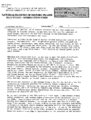
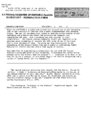
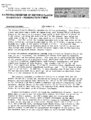
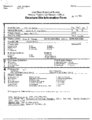
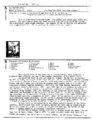
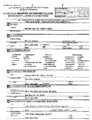
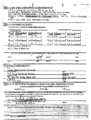
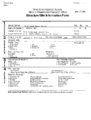
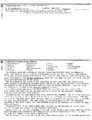
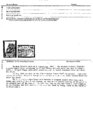
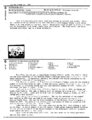
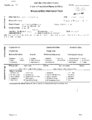
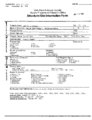
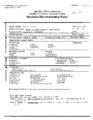
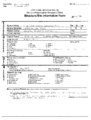
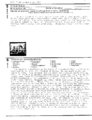
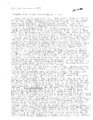
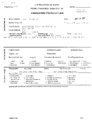
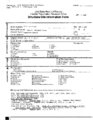
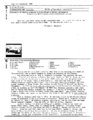
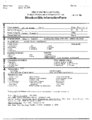
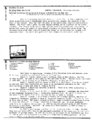
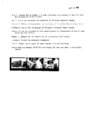
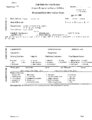
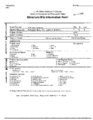
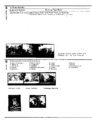
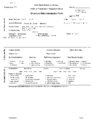
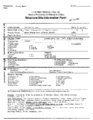
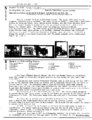
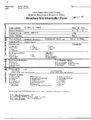
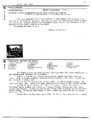
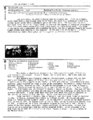
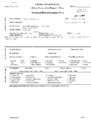
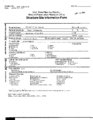
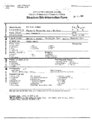
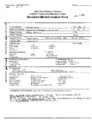
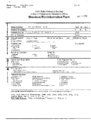
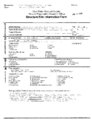
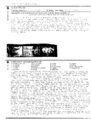
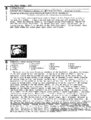
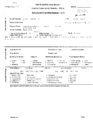
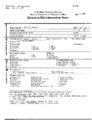
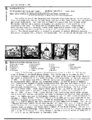
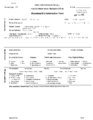
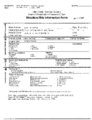
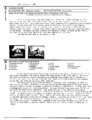
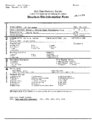
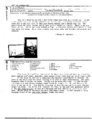
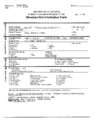
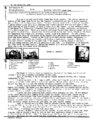
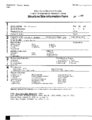
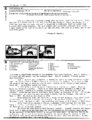
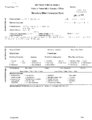
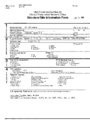
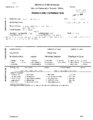
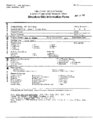
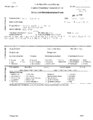
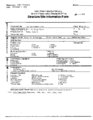
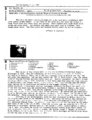
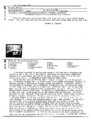
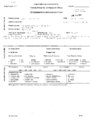
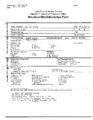
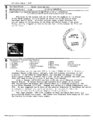
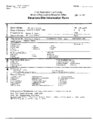
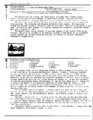
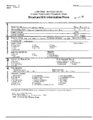
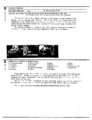
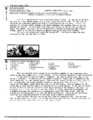
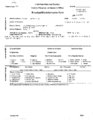
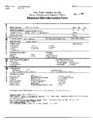
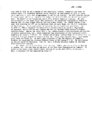
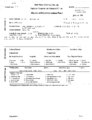
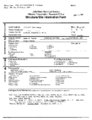
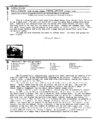
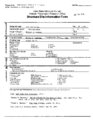
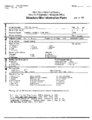
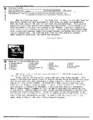
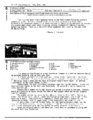
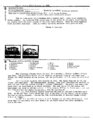
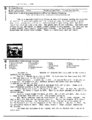
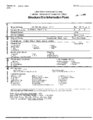
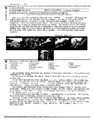
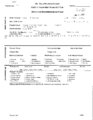
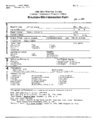
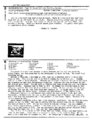
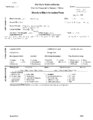
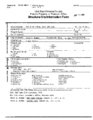
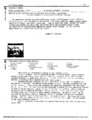
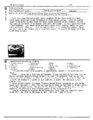
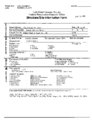
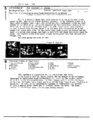
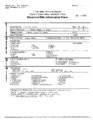
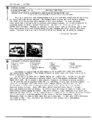
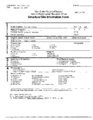
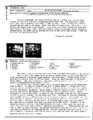
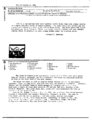
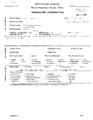
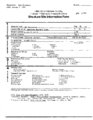
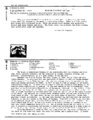
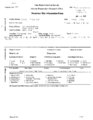
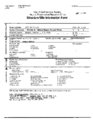
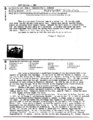
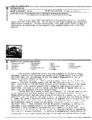
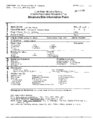
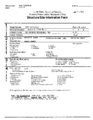
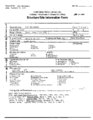
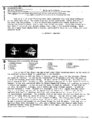
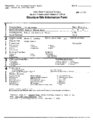
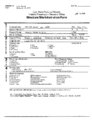
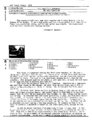
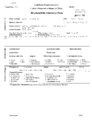
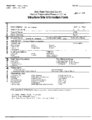
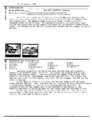
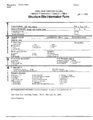
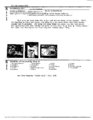
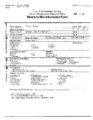
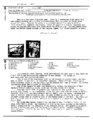
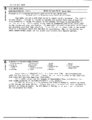
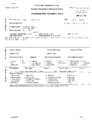
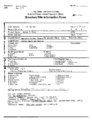
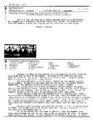
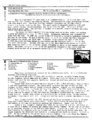
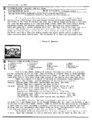
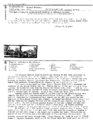
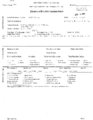
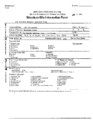
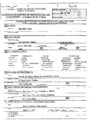
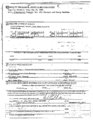
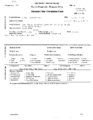
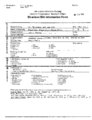
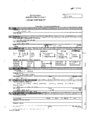
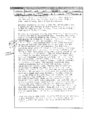
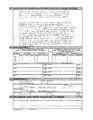
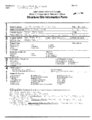
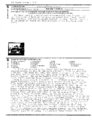
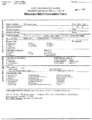
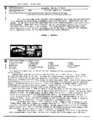
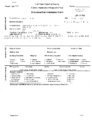
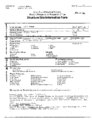
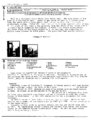
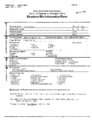
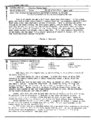
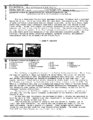
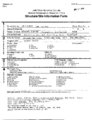
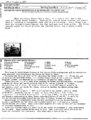
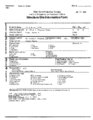
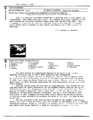
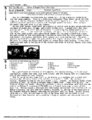
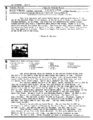
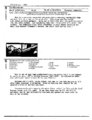
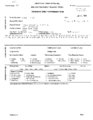
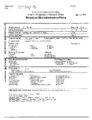
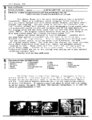
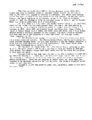
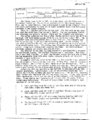
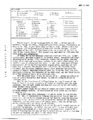
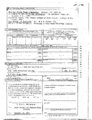
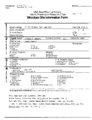
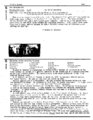
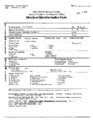
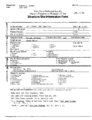
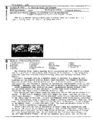
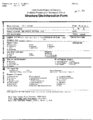
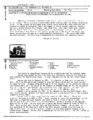
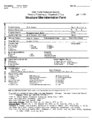
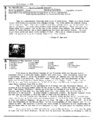
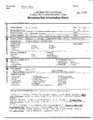
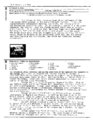
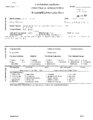
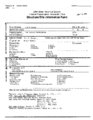
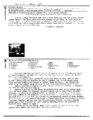
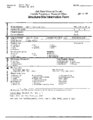
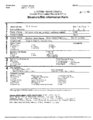
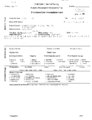
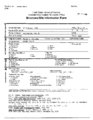
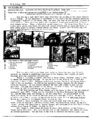
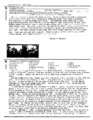
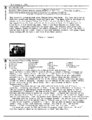
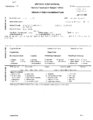
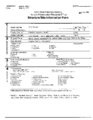
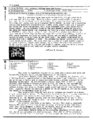
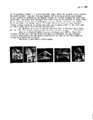
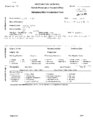
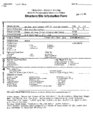
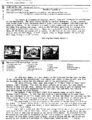
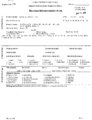
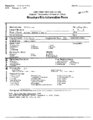
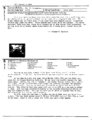
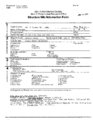
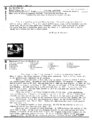
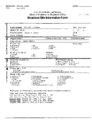
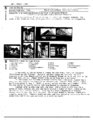
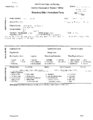
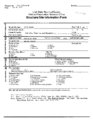
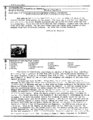
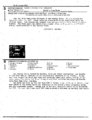
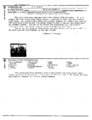
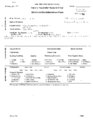
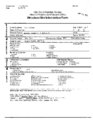
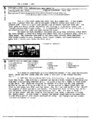
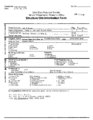
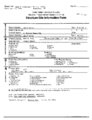
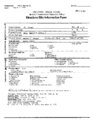
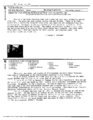
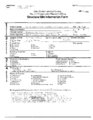
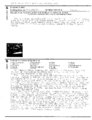
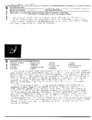
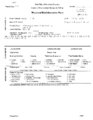
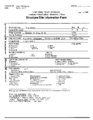
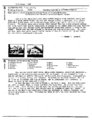
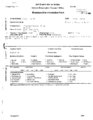
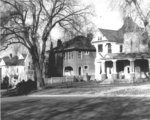
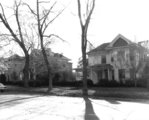
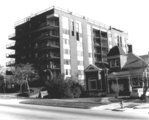
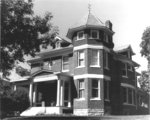
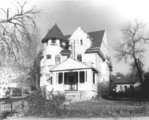
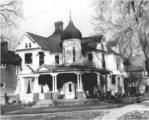
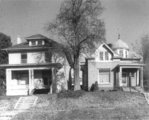
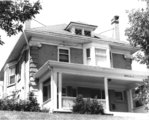
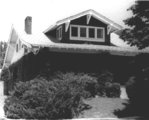
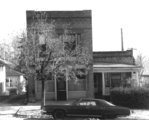
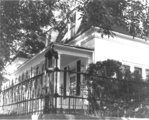
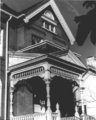
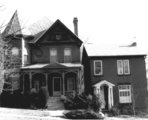
Show 970 1st Ave. - 1900 Ca Architect/Builder: Building Materials: ? {jj Building Type/Style: Victorian eclectic Description of physical appearance & significant architectural features: ' H X o brick M-'v' - (Include additions, alterations, ancillary structures, and landscaping if applicable) < This is a two-story Victorian house. The gables have woodshingle siding and returns. The small gables above the front and west side two-story brick bay windows are supported by large wooden brackets. The corners of the bay windows are emphasized with rough-faced brick. The original porch columns have been replaced. 6 Statement of Historical Significance: >• cc O H W I D D D a D Aboriginal Americans Agriculture Architecture The Arts Commerce Q Communication D Conservation tf Education a Exploration/Settlement a Industry D D D Q a Military Mining Minority Groups Political Recreation B^Religion s'Science D Socio-Humanitarian D Transportation The origianl owner of the house was an internationally known scientist, a prominent Utah educator, and one of the leading theologians of the Mormon Church. The house was built in 1900 for James E. Talmage. He was born in England, in 1862, attended the schools of the local district, and in 1874 was the Oxford diocesan prize scholar. Two years later he and his family emigrated to the U.S. and settled in Provo, Utah where James was a student at Brigham Young Academy from 1876 to 1882. He afterwards attended Leghigh University, 1882-1883, the Johns Hopkins University, 1884, and Illinois Wesleyan University, 1896. Uhitl 1911 when he was ordained an apostle in the LDS Church, he was an educator, successively professor of chemistry and geology at Brigham Young Academy, 1884-1888, President of the Latter-day Saints College in SLC, 1888-1893, and President of the university of Utah, 1894-97. In 1897 he resigned from the Presidency of the University of Utah to devote full time to the chair of geology, which he held until his resignation in 1907. After 1907 he carried on a privat practice as a consulting mining geologist. In 1897 he was a delegate from the Royal Society of Edinburgh to the International Geological Congress at St. Petersberg, Russia. He was a fellow of numerous scientific societies in the U.S. and Great Britain. On Dec.7,1911 he was appointed to the Mormon Church's Council of the Twelve Apostles, and from that time until his death, devoted his full time to church duties. He was the author of a number of books on religion and theology, and became the LDS Church's leading authority on technical theological questions. In 1922 Orrice McShane and his wife Mary J. McShane bought the house. He had been born in Beaver County, Utah in 1873. He spent his early adult life there as a farmer and teacher, and was prominent in local affairs. He was Beaver Postmaster from |