| OCR Text |
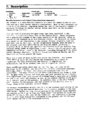
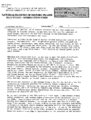
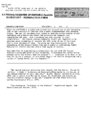
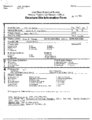
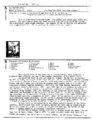
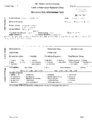
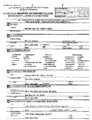
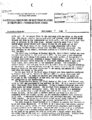
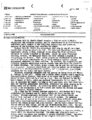
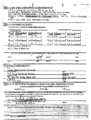
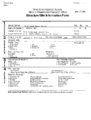
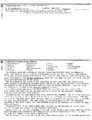
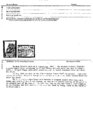
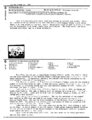
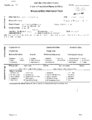
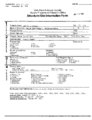
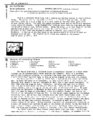
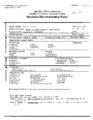
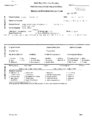
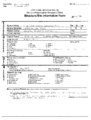
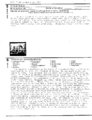
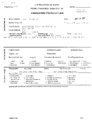
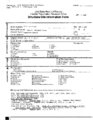
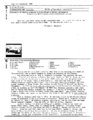
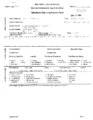
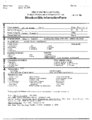
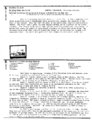
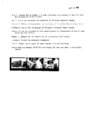
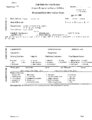
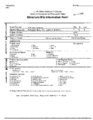
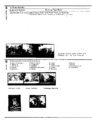
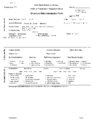
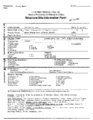
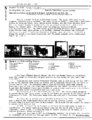
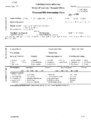
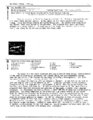
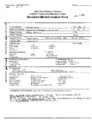
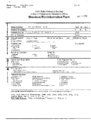
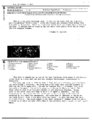
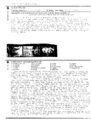
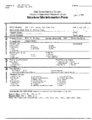
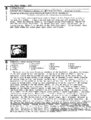
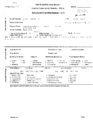
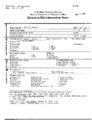
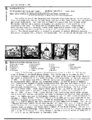
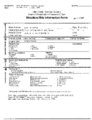
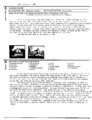
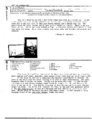
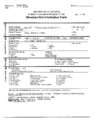
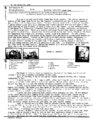
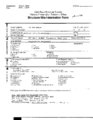
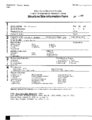
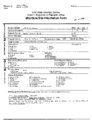
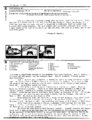
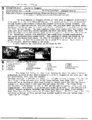
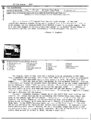
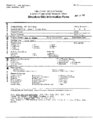
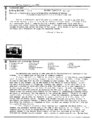
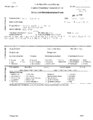
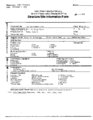
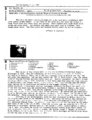
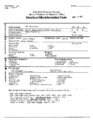
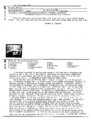
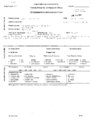
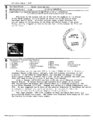
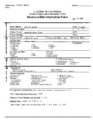
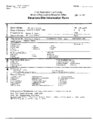
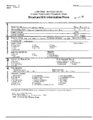
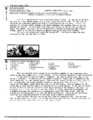
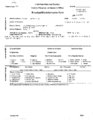
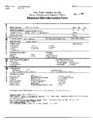
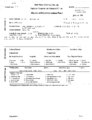
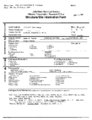
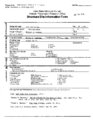
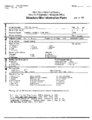
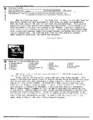
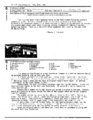
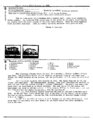
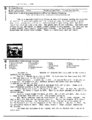
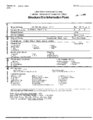
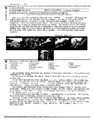
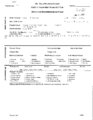
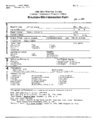
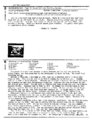
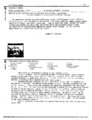
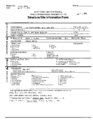
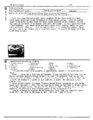
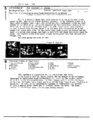
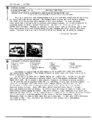
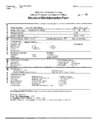
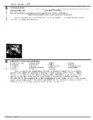
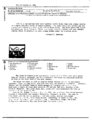
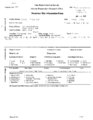
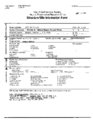
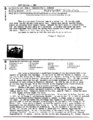
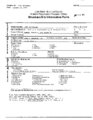
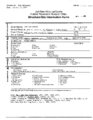
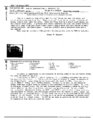
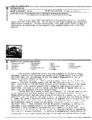
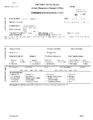
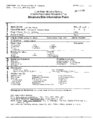
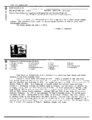
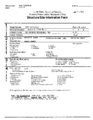
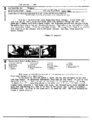
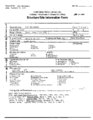
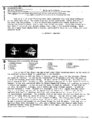
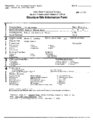
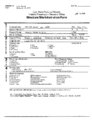
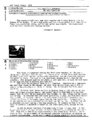
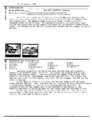
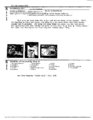
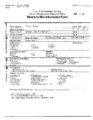
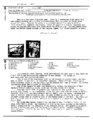
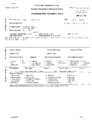
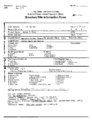
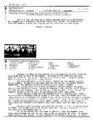
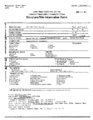
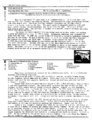
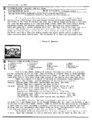
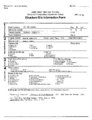
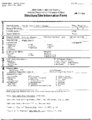
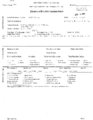
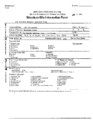
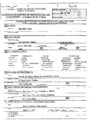
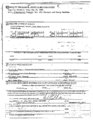
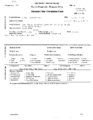
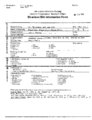
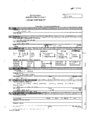
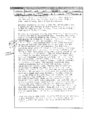
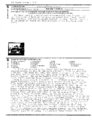
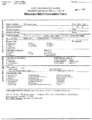
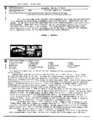
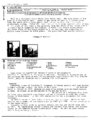
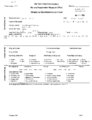
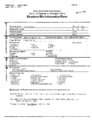
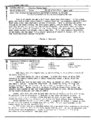
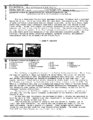
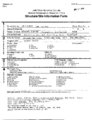
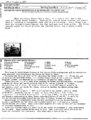
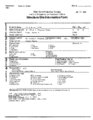
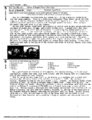
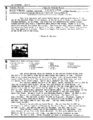
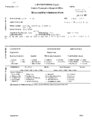
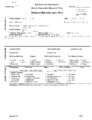
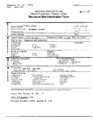
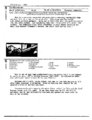
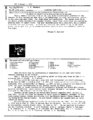
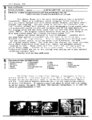
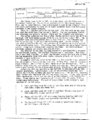
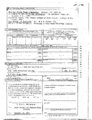
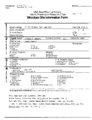
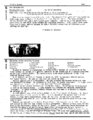
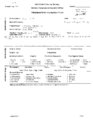
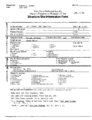
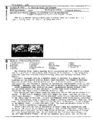
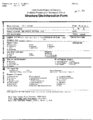
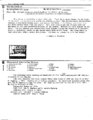
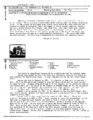
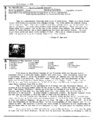
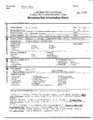
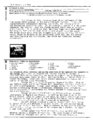
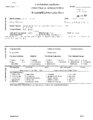
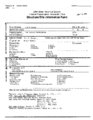
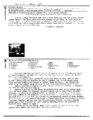
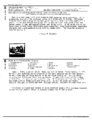
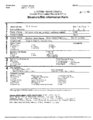
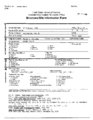
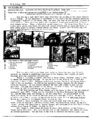
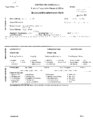
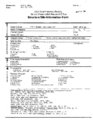
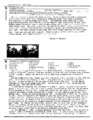
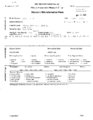
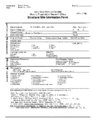
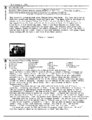
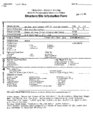
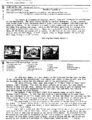
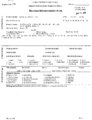
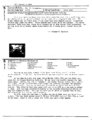
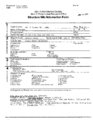
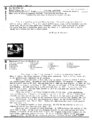
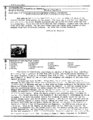
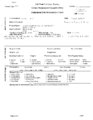
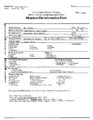
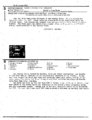
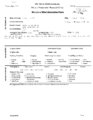
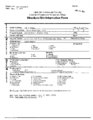
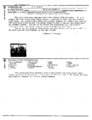
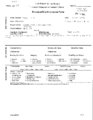
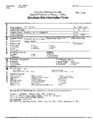
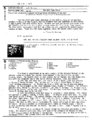
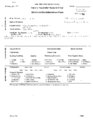
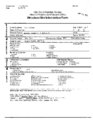
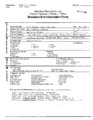
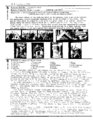
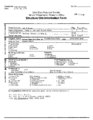
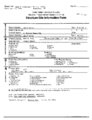
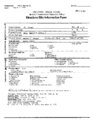
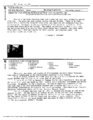
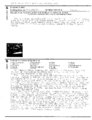
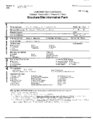
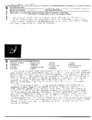
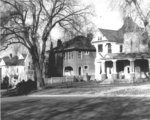
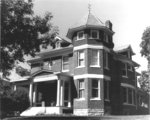
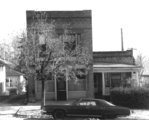
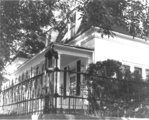
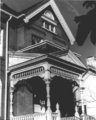
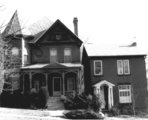
Show 80 D Street - 1871 Architect/Builder: u Building Material adobe/frame_______Building Type/Style: jS Description of physical appearance & significant architectural features: {j} H I U < 6 cc o H X Ttft1 . flnatft________ (Include additions, alterations, ancillary structures, and landscaping if applicable) The design of this two-story home shows influence of the Italianate Style popular in the mid-nineteenth century. It has the characteristic rectangular massing, low roofs, and strong paneled and"bracketted cornice of wood. At the southwest corner is a two story segmental bay window. Over the wooden paneled fro-nt door is an art glass transom. It is probable that the house began as a much smaller building in 1871 and has been added to and altered over the years. The broad front porch with its wrought iron balcony railing, the hori zontal bands of windows in the projecting front bay, and the narrow shutters flanking all the windows, may represent twentieth century alterations. Statement of Historical Significance: D D D D D Aboriginal Americans Agriculture Architecture The Arts Commerce D D D O a Communication Conservation Education Exploration/Settlement Industry P D D Q Military Mining Minority Groups Political D Recreation D D D D Religion Science Socio-Humanitarian Transportation Its Italianate Style, materials and massing contribute to the architectural character of the Avenues. This house is significant because Charles R. Savage, a prominent Utah photographer,who was known throughout the intermountain west, had this house built in 1871. His son-in-law, J. Rueben Clark Jr., bought the house. Clark was United States ambassador to Mexico and a member of the LDS.first Presidency. Savage was born in Southhampton, England in 1832. When he was fifteen years old he met Thomas B.H. Stenhouse, a Mormon missionary and also a photographer, A year later Savage joined the Mormon Church. Besides introducing Savage to Mormonism, Stenhouse also introduced him to the world of photography and Savage decided to learn1 all"he could about the business. Savage served an LDS Mission to Switzerland and studied photography in England and France. In 1857 he decided to go to the United States. When he landed in New York, he didn't have enough money to continue to Utah so he got a job working for Samuel Booth Printing . In-1859 he started work for a Mr. Stenhouse in Brooklyn. In 1859 Savage received a special mission call from George Q. Cannon to go on a mission to Council Bluff. By i860 he had enough funds to go to Salt Lake City. When he arrived in the city he sold his oxen to buy a lot on the corner of 2nd Avenue and D Street. He built a home there in 1871. Savage opened his first photography shop in i860 with Marsena Cannon, a pioneer photographer. He later formed a partnership with George M. Ottinger and opened the Rocky Mountain Bookstore. |