| OCR Text |
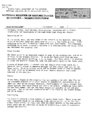
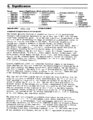
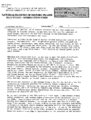
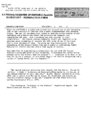
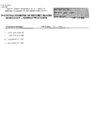
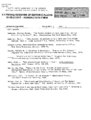
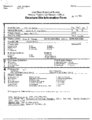
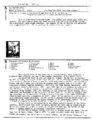
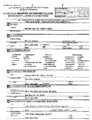
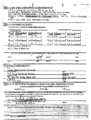
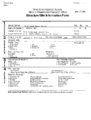
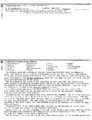
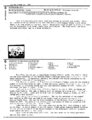
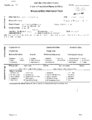
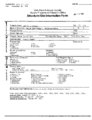
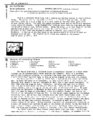
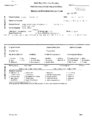
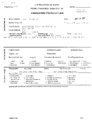
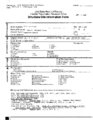
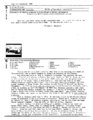
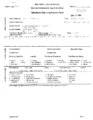
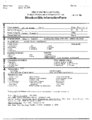
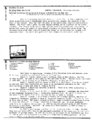
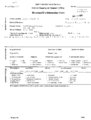
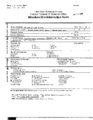
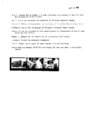
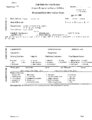
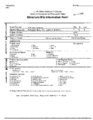
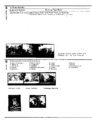
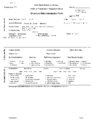
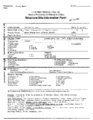
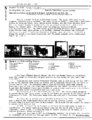
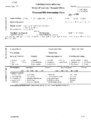
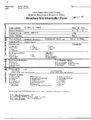
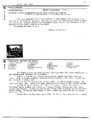
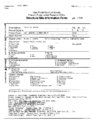
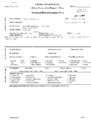
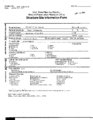
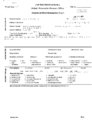
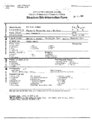
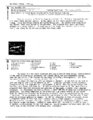
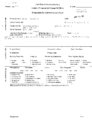
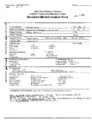
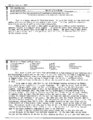
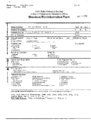
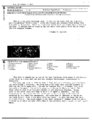
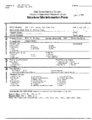
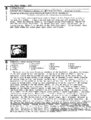
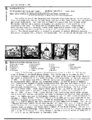
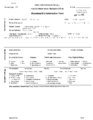
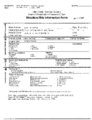
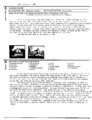
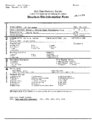
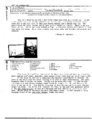
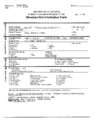
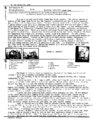
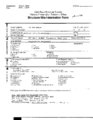
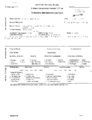
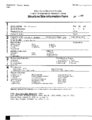
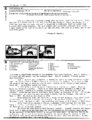
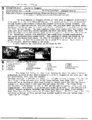
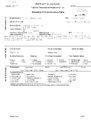
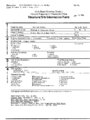
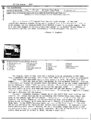
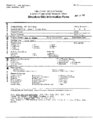
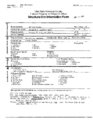
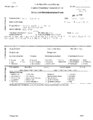
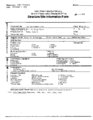
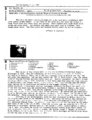
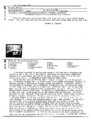
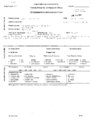
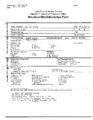
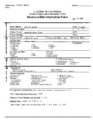
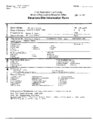
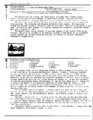
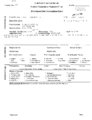
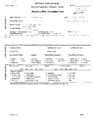
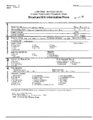
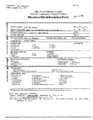
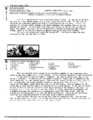
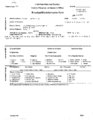
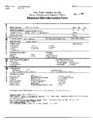
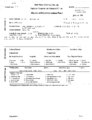
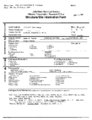
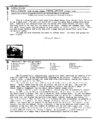
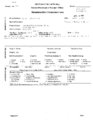
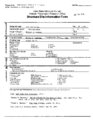
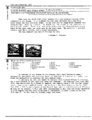
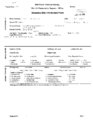
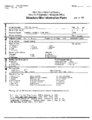
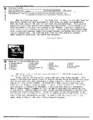
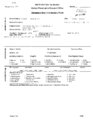
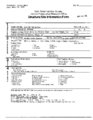
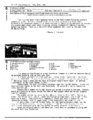
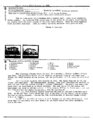
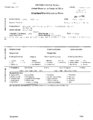
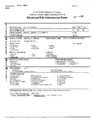
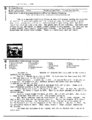
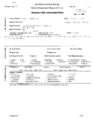
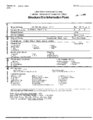
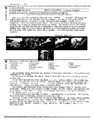
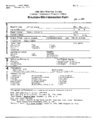
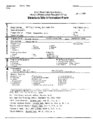
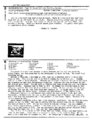
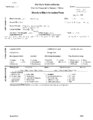
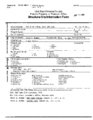
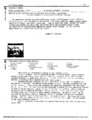
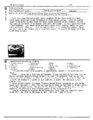
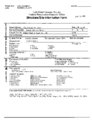
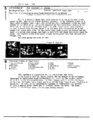
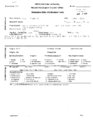
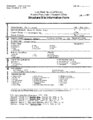
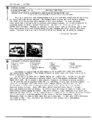
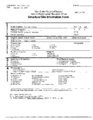
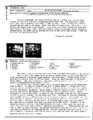
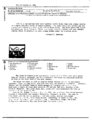
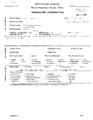
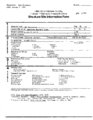
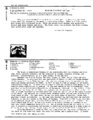
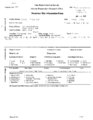
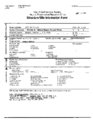
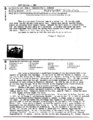
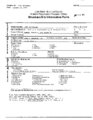
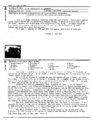
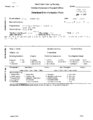
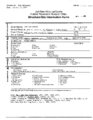
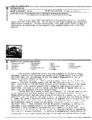
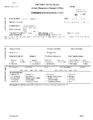
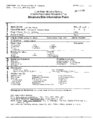
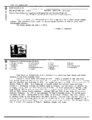
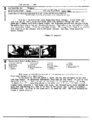
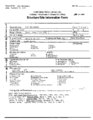
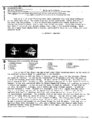
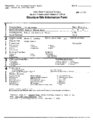
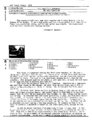
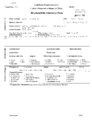
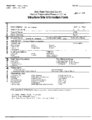
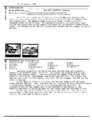
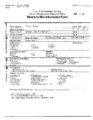
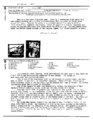
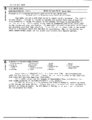
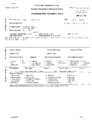
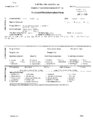
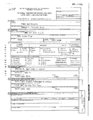
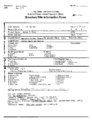
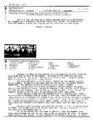
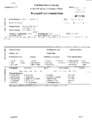
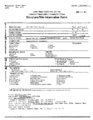
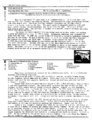
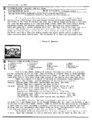
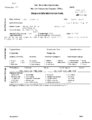
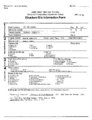
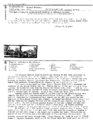
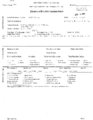
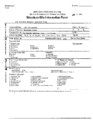
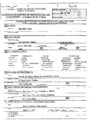
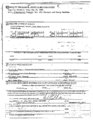
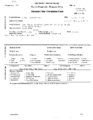
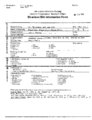
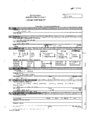
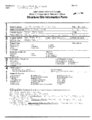
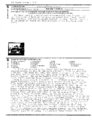
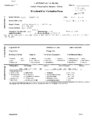
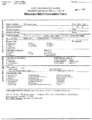
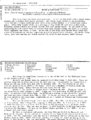
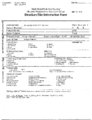
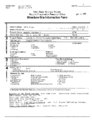
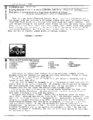
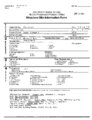
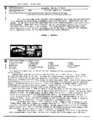
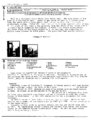
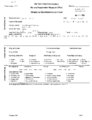
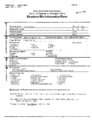
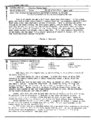
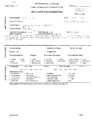
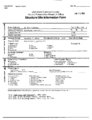
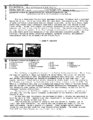
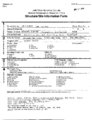
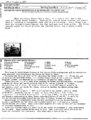
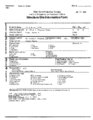
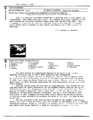
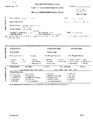
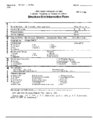
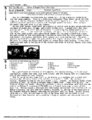
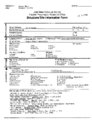
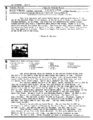
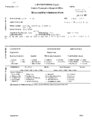
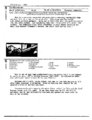
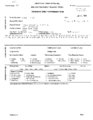
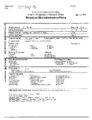
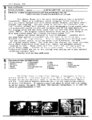
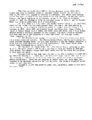
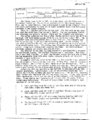
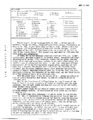
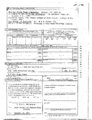
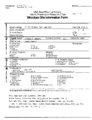
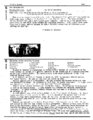
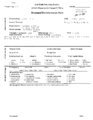
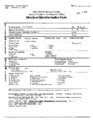
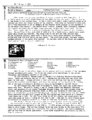
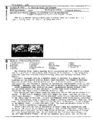
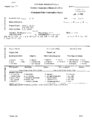
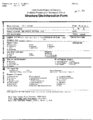
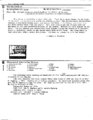
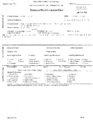
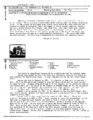
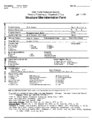
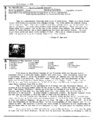
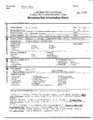
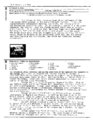
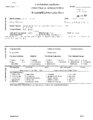
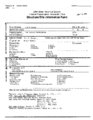
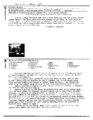
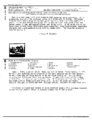
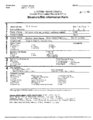
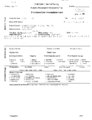
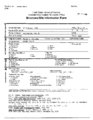
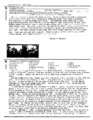
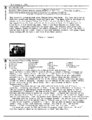
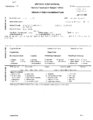
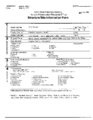
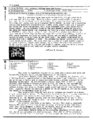
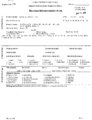
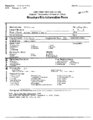
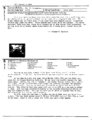
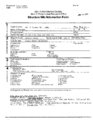
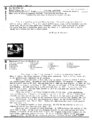
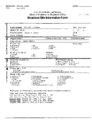
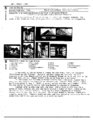
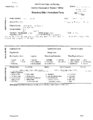
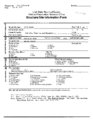
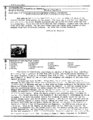
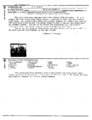
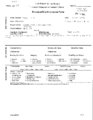
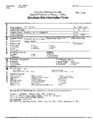
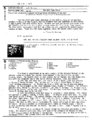
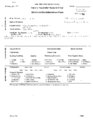
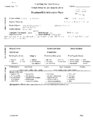
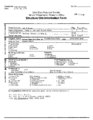
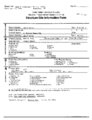
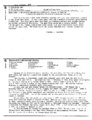
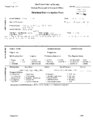
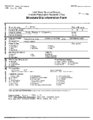
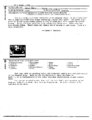
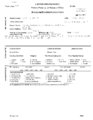
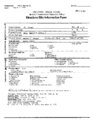
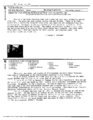
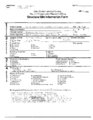
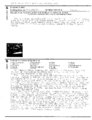
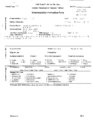
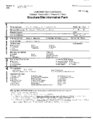
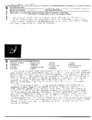
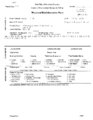
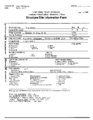
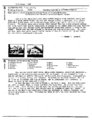
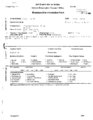
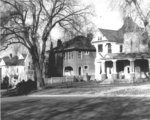
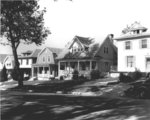
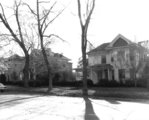
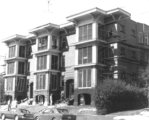
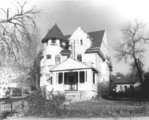
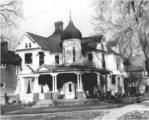
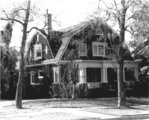
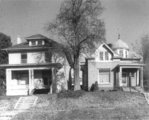
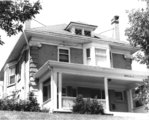
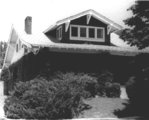
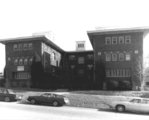
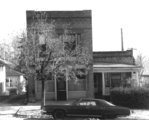
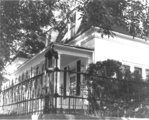
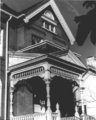
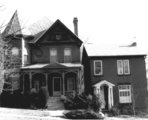
Show 1053 3rd Avenue-1903 Architect/Builder: u 2 j_{ I- Building Materials: brick_________Building Type/Style: box type__________________ Description of physical appearance & significant architectural features: (Include additions, alterations, ancillary structures, and landscaping if applicable) X o < This is a two-story cube-shaped home with a hip roof and a front center dormer window. The one-story front porch has paired square columns on paneled posts with balustrades between. The frame garage was built in 1916. -Thomas W. Hanchett ft > O {/> I Statement of Historical Significance: D D D D D Aboriginal Americans Agriculture Architecture The Arts Commerce D D D D D Communication Conservation Education Exploration/Settlement Industry Q D O a D Military Mining Minority Groups Political Recreation D a a D Religion Science Socio-Humanitarian Transportation This house is significant as the resident of a prominent Utah lawyer and Chief Justice of the State Supreme Court. Arthur 0. Clark built this house in 1903. Clark, a teacher at the West Side High School lived one door to the north of this house at 164 R Street. William M. McCarty was the resident here starting in 1904. He became the owner in 1908. McCarty was born in Alpine, Utah, in 1859. As a young man he taught school for several years and then worked as a freighter between the mining camps of Nevada. All the while, he studied law at night, and in 1887 was admitted to the Utah Bar. He first practiced in Beaver, Utah. From 1888 to 1896 he was assistant U.S. District Attorney for Utah Territory, and from 1892 to 1896, Sevier County Attorney. Between 1896 and 1902 he was Judge of the Sixth Judicial District. In 1902 he was appointed to Utah's Supreme Court. He served until his death in 1919. During much of that time, he was Chief Justice. His wife, Lovina A. McCarty lived in the house until her death in 1952. For one year, her son, Frank E. H. McCarty lived in the house until he sold it to William M. Barn, then the manager of the parking lot at Continental Bank, later the operator of a gas station. In the early 1970's Leon Lindberg, the husband of Eraa L. Lindberg, bought the house. |