| OCR Text |
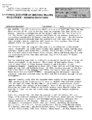
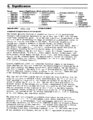
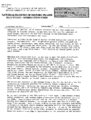
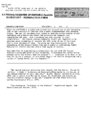
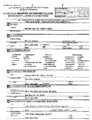
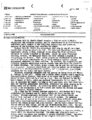
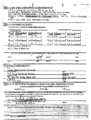
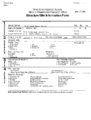
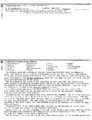
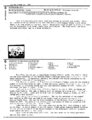
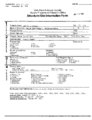
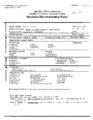
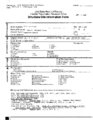
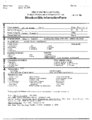
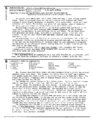
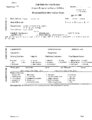
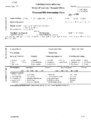
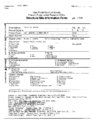
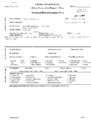
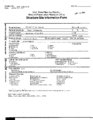
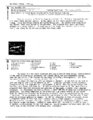
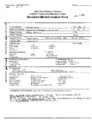
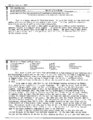
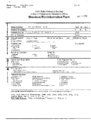
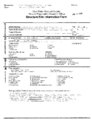
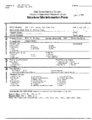
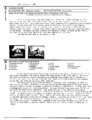
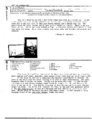
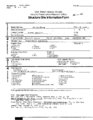
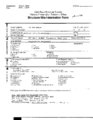
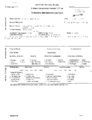
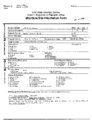
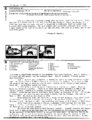
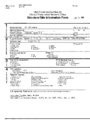
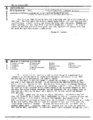
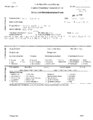
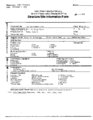
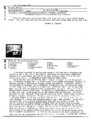
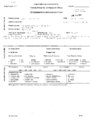
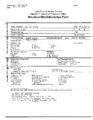
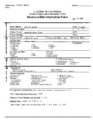
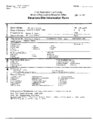
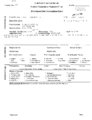
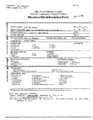
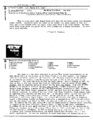
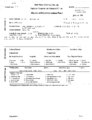
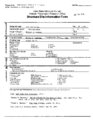
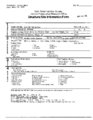
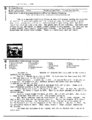
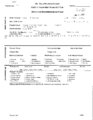
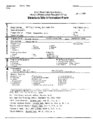
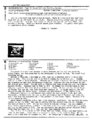
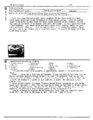
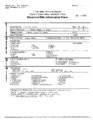
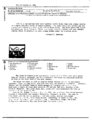
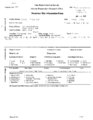
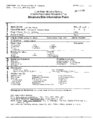
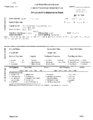
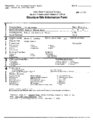
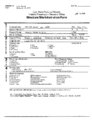
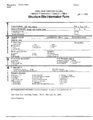
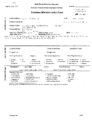
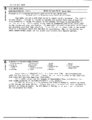
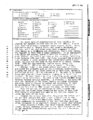
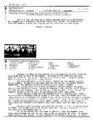
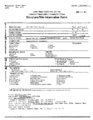
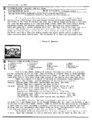
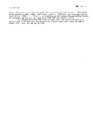
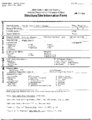
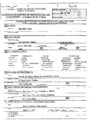
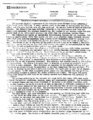
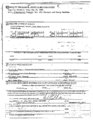
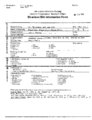
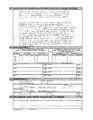
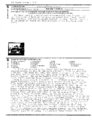
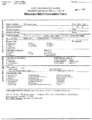
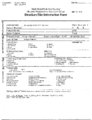
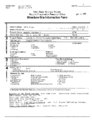
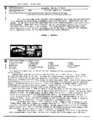
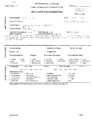
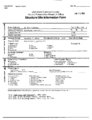
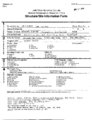
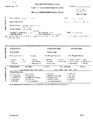
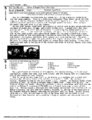
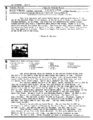
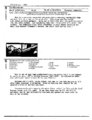
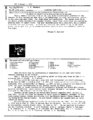
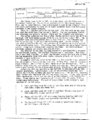
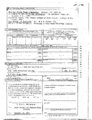
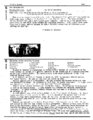
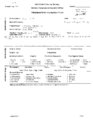
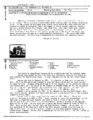
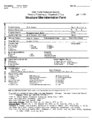
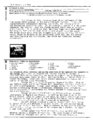
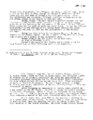
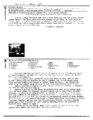
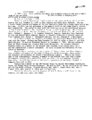
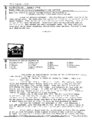
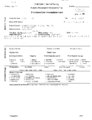
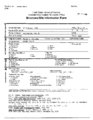
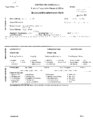
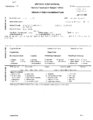
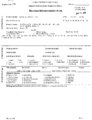
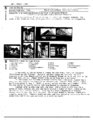
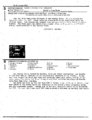
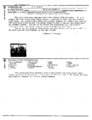
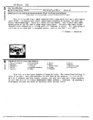
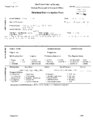
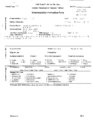
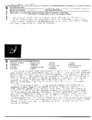
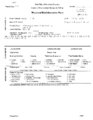
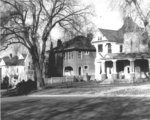
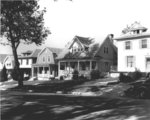
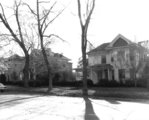
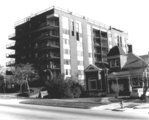
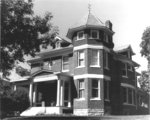
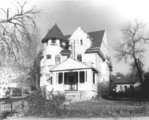
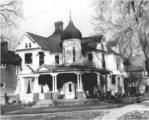
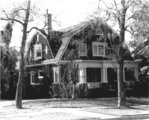
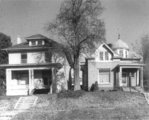
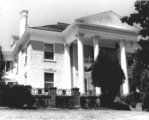
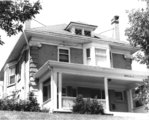
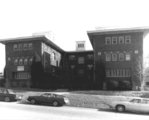
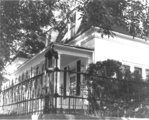
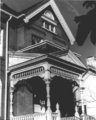
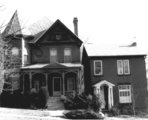
Show JAN 1 4 I960 SIGNIFICANCE PERIOD (Chevk One or Afore as Appropriate) I""] Pre-Columbian | Q 16>h Century n 18th Century n 15th Century Q 17th Century CT] 19th Century 20th Century SPECIFIC DATE(S) (II Applicable and Known) AREAS OF SIGNIFICANCE (Check One or More as Appropriate) Abor iginal l~] Prehistoric n Historic r~) Education ("I Engineering [~| Industry (~3 Agriculture [~1 Invention (3 Architecture fl Landscape D Af » O f~l Communications Q Military C~) Conservation Q Music Q Urban Planning Religion/Phi. Q Other (Specify) losophy [~] Science Sculpture Architecture f~| Commerce Political Social/Human Literature itarian f~] ["") Theater Transportation STATEMENT OF SIGNIFICANCE vo Z O u ID 01 111 LU The exact date of construction of this building is unknown but appears to have been in the mid t880's. Around this time the property exchanged hands several times. Among *he~awners were an Edward Brain, who owned a brickyard on 4th Ave. and V st. and whose son* later app^ears in city direct6ries as a bridbiason and contractor, and a John Larsen, v/ho appears to have been a local carpenter. It is speculated that Brain and Larsen, possibly with the financial aid of Lewis Kelsey, who held a mortgage on the property, built the house between 1886 and 1.888. The first occupant was probably R.D. VJinters, a local attorney who inexplicably moved a year later, selling his new home to the owner of a bakery, Thomas Webb. Webb and his daughter, tfartha Maria, owned the property until 1.896 when they sold to James L. Chipman. Chipman lived in the house uritila his death in 1923 and gives the property much of its historical significance. Chipm'ah Vas one of the first settlers of Salt" Lake, entering the valley in Spt. 18^-7 at the age-of 8. He grew up in Mill! Creek and started a long business car*eer as >a farmer and rancher. He soon began a service freighting goods across the mountains by mule train. By 1866 he was making regufeoLr trips between Montana and Los Angeles. He invested in and assisted with the building of the Union Pacific and oidher railroads and soon built a fortune in mining and livestock. In 1890 he established the first band and mercantile business in American Fork and in l$93 became the mayor of that town. With the arrival of statehood in 1.896, Chipman was appointed the first State Treasure* and moved to Salt Lake City where he purchased the hem.e at 335 5th ave. where he lived the rest" of his life. Chipman was a major financial figure in the latter part of the 19th century and also played a large role in the development of the state Republican Party. His rise from early immigrant to president of the Utah National Bank and State Treasurer is an important example of early Utah history. After Chipman's death, his house changed hands several times, finally emerging in 1926 as the "Home Apartments" and it has remained a residential apartment for the intervening fifty ijears. |