| OCR Text |
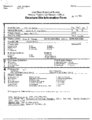
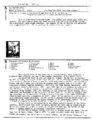
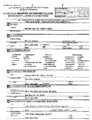
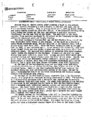
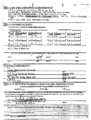
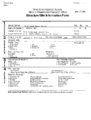
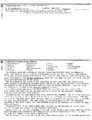
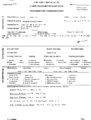
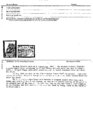
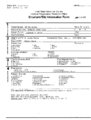
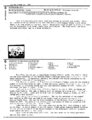
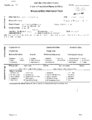
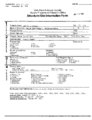
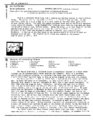
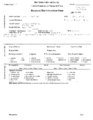
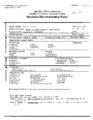
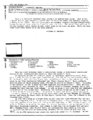
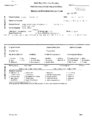
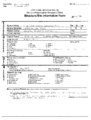
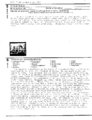
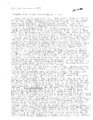
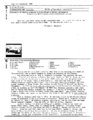
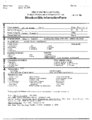
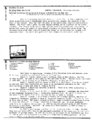
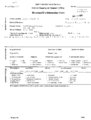
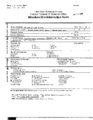
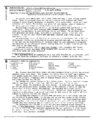
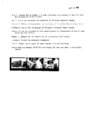
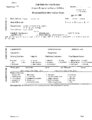
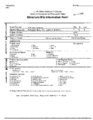
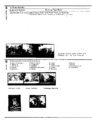
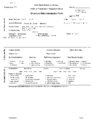
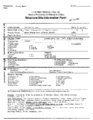
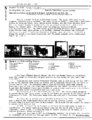
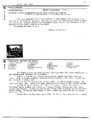
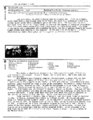
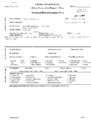
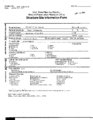
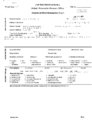
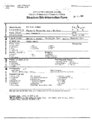
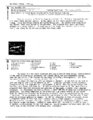
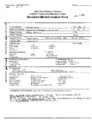
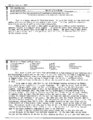
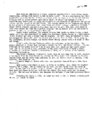
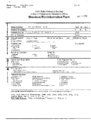
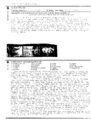
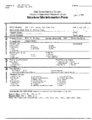
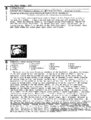
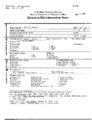
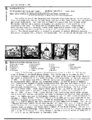
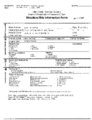
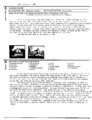
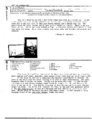
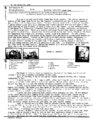
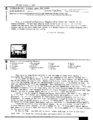
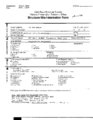
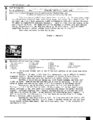
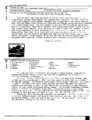
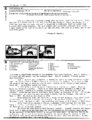
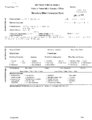
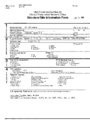
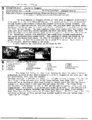
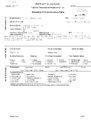
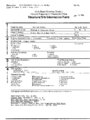
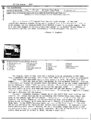
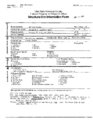
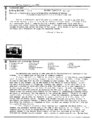
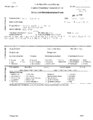
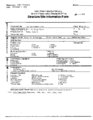
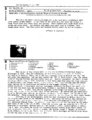
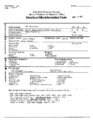
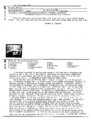
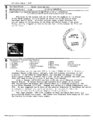
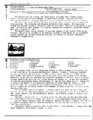
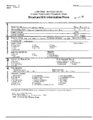
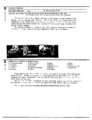
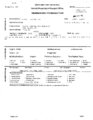
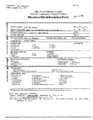
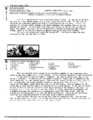
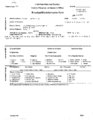
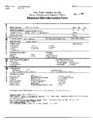
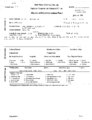
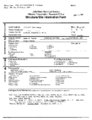
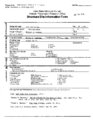
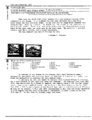
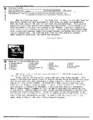
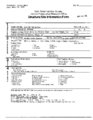
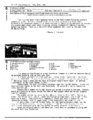
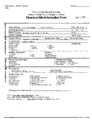
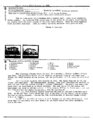
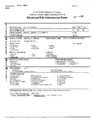
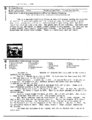
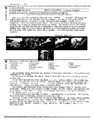
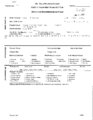
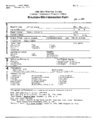
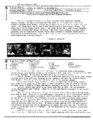
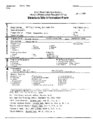
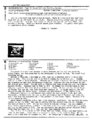
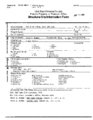
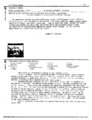
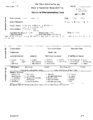
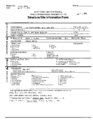
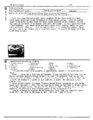
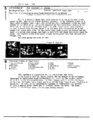
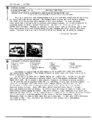
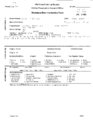
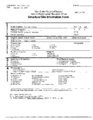
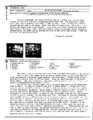
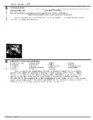
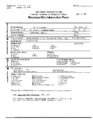
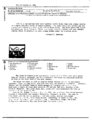
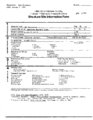
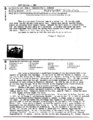
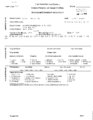
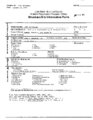
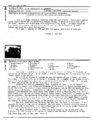
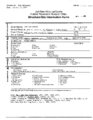
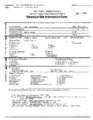
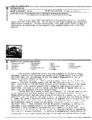
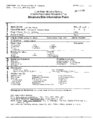
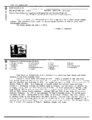
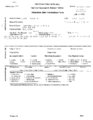
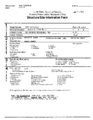
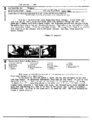
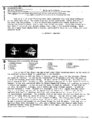
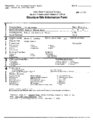
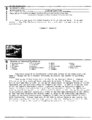
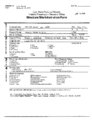
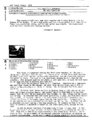
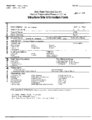
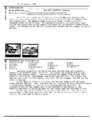
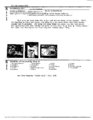
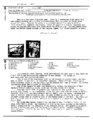
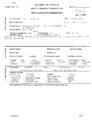
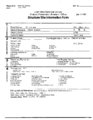
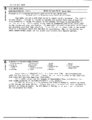
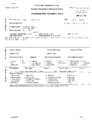
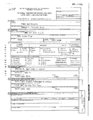
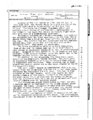
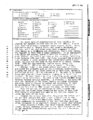
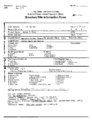
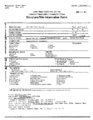
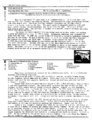
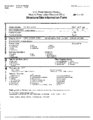
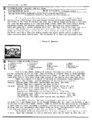
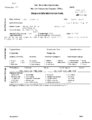
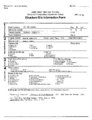
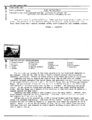
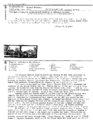
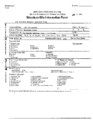
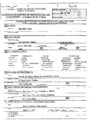
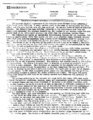
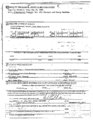
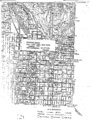
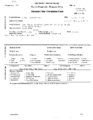
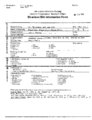
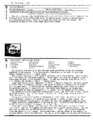
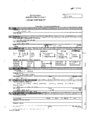
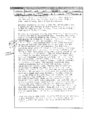
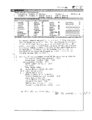
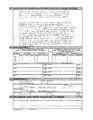
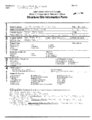
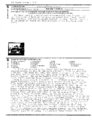
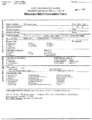
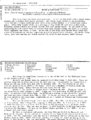
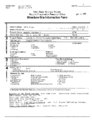
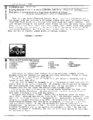
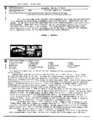
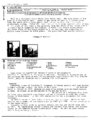
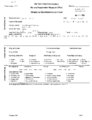
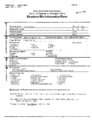
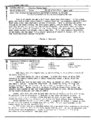
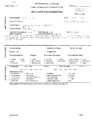
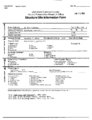
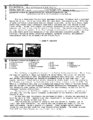
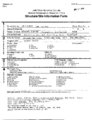
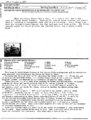
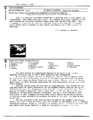
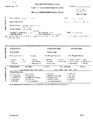
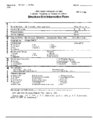
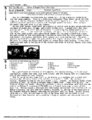
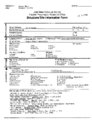
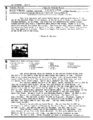
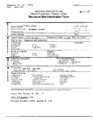
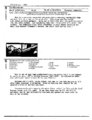
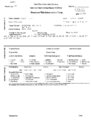
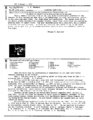
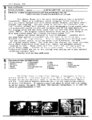
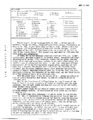
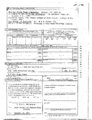
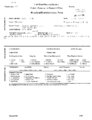
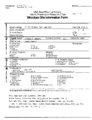
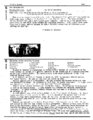
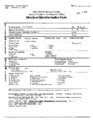
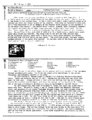
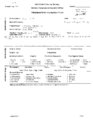
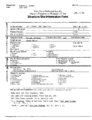
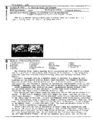
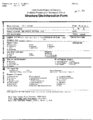
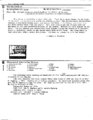
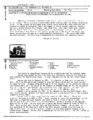
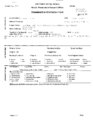
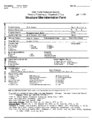
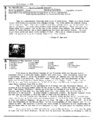
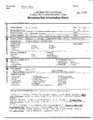
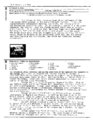
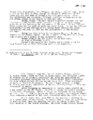
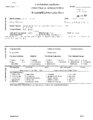
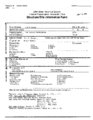
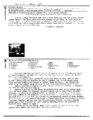
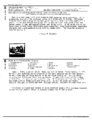
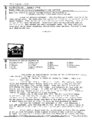
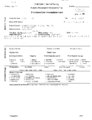
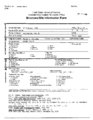
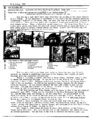
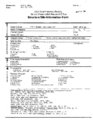
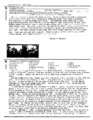
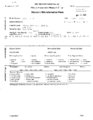
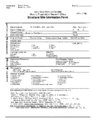
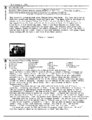
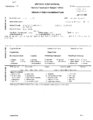
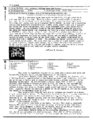
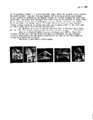
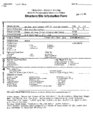
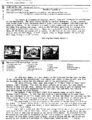
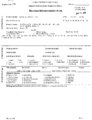
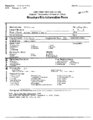
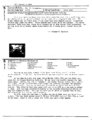
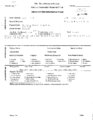
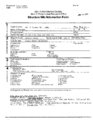
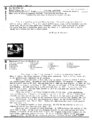
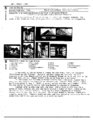
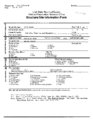
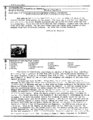
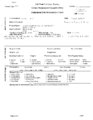
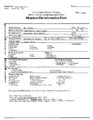
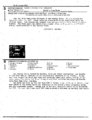
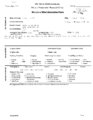
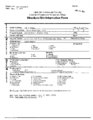
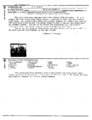
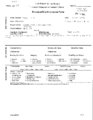
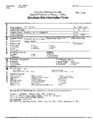
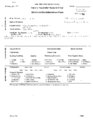
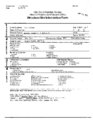
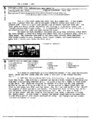
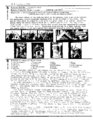
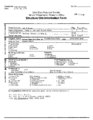
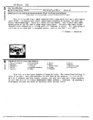
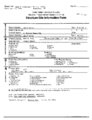
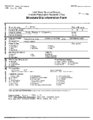
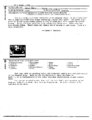
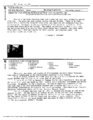
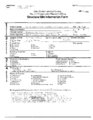
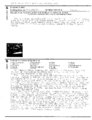
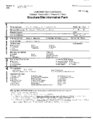
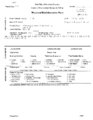
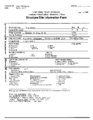
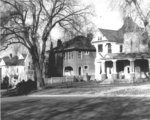
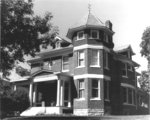
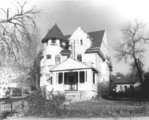
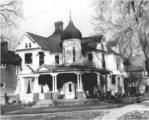
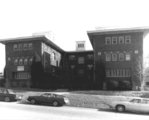
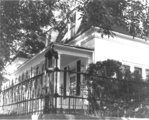
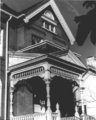
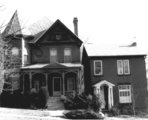
Show 66 D Street - 1892 Architect/Builder: Vin Crola/Warren Brothers Building Type/Style: Building Materials: brick Description of physical appearance & significant architectural features: (Include additions, alterations, ancillary structures, and landscaping if applicable) This is a substantial Victorian home built of buff brick. There is a front dormer window with fishscale pattern wood shingle siding. The front gable has similar siding and a large fan light. There is a small second floor wooden turret at the southwest cor ner of the house. The other windows have stone lintels and sills. There are three cor beled brick belt courses, one at the top of the second floor windows, and another at the bottom of those windows, and a third separating the first and second floors. The first floor front porch has heavy Doric columns of wood. There is an ornate artglass window under the porch and artglass transoms above first floor windows. -Thomas W. Hanchett Statement of Historical Significance: D D D D a Aboriginal Americans Agriculture Architecture The Arts Commerce Q O D a D Communication Conservation Education Exploration/Settlement Industry Q O D a Q Military Mining Minority Groups Political Recreation a a D a Religion Science Socio-Humanitarian Transportation This house is significant because of its Victorian style and because several prominent people in Utah and Mormon history have lived here. John Farrington Cahoon was a contractor, Henry W. Brown was prominent in mining; Dr. Emerson Root was the Chief of Staff at Holy Cross Hospital. The later owner, Ivor Sharp, was vice-president of KSL Radio and his wife Marriane Clark Sharp, a daughter of J. Reuben Clark Jr. who lived at 80 D Street, was first counselor of the Relief Society, the IDS women's organization under Belle Spafford from 1945 to 1972. The first owner of the residence at 66 D Street was John Farrington Cahoon. Ac cording to the building permit books it was built in 1892. Cahoon was born in Illinois in 1839. His father, William F. Cahoon was a builder and worked on the Nauvoo Temple. The Cahoons came to Utah when John was eight years old. John worked for the Union Pacific Railroad as a car builder." He later became a contractor builder. He married Margaret Sharp. She was born in Scotland in 1845 and came to Utah with her parents in 1850. In 1895 the Cahoons sold the house to Henry W. Brown who was one of the most pro minent men in mining in the state and vice-president of the Utah National Bank and president of Salt Lake Saddlery Company. He was born in Iowa. He came to Salt Lake in 1890. He worked with the developers of the Mercury Mine. He was vice-president of that company until he re signed in 1894. His interest in horses and horse racing is reflected in his construction of the two-story barn in the rear of his residence in 1895. He also built the carriage shed in 1897. Brown moved East in 1910 and sold the house to Emerson Root. Dr. Root was the Chief of Staff for Holy Cross Hospital. He was born in Hartfield, Wisconsin on November 1, 1858 to |