| OCR Text |
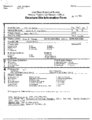
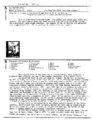
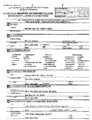
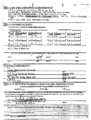
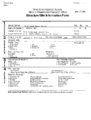
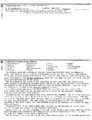
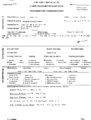
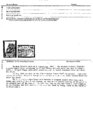
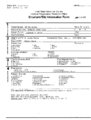
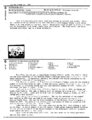
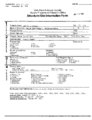
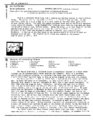
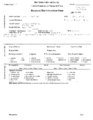
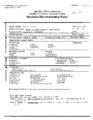
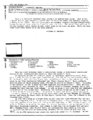
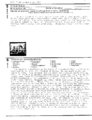
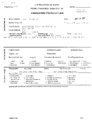
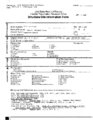
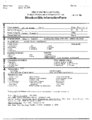
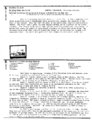
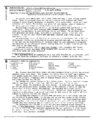
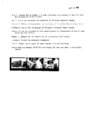
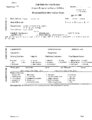
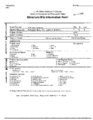
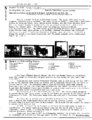
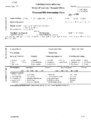
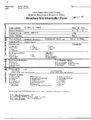
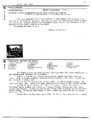
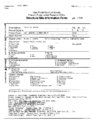
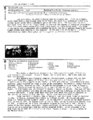
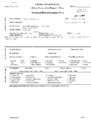
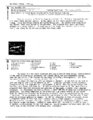
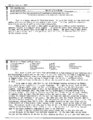
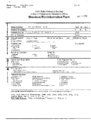
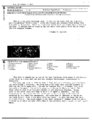
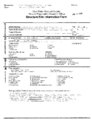
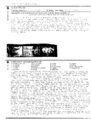
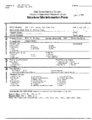
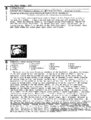
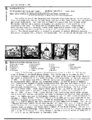
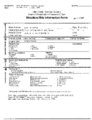
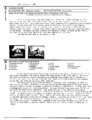
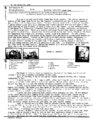
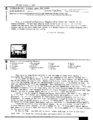
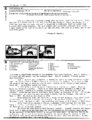
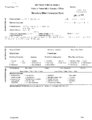
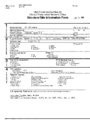
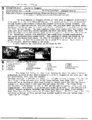
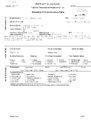
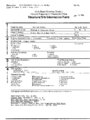
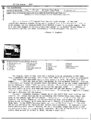
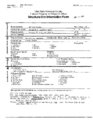
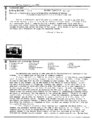
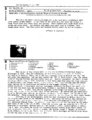
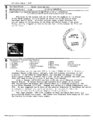
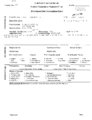
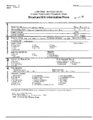
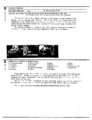
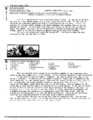
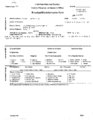
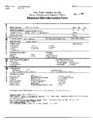
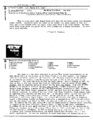
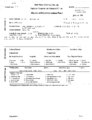
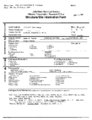
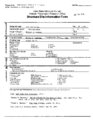
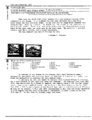
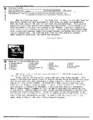
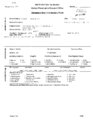
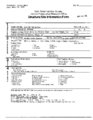
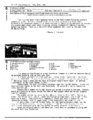
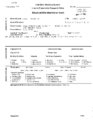
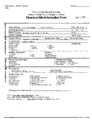
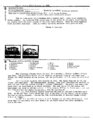
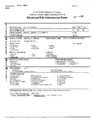
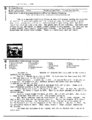
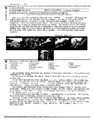
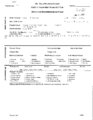
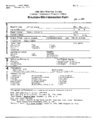
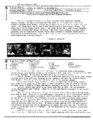
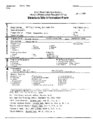
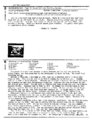
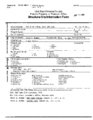
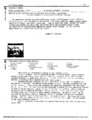
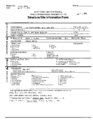
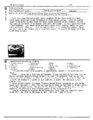
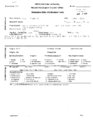
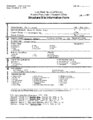
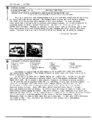
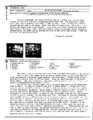
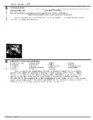
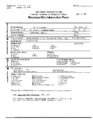
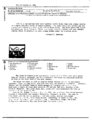
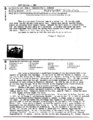
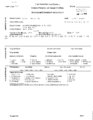
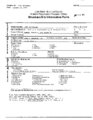
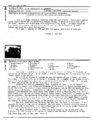
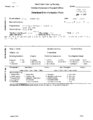
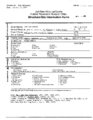
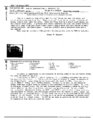
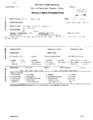
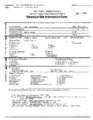
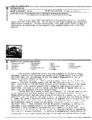
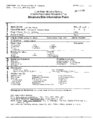
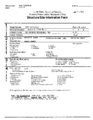
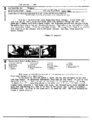
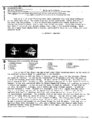
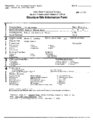
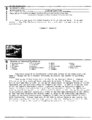
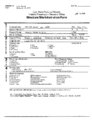
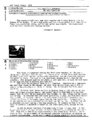
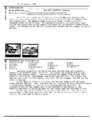
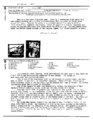
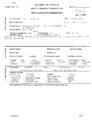
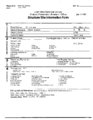
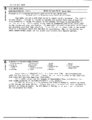
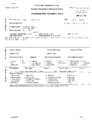
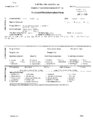
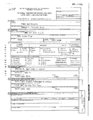
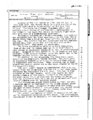
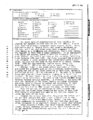
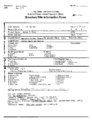
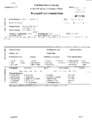
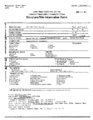
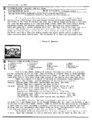
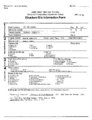
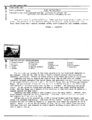
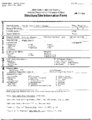
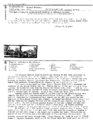
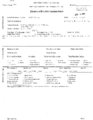
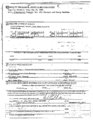
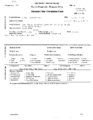
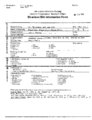
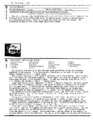
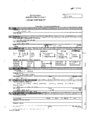
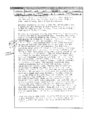
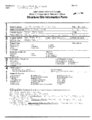
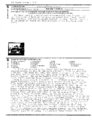
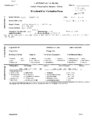
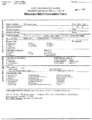
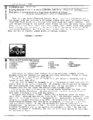
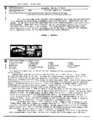
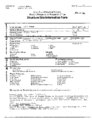
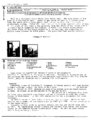
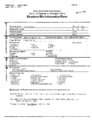
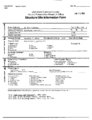
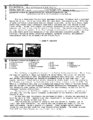
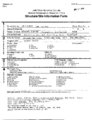
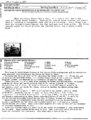
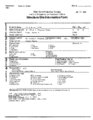
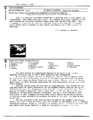
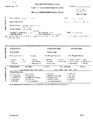
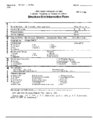
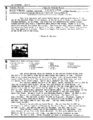
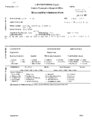
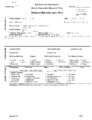
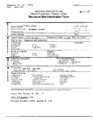
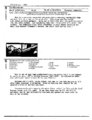
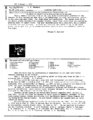
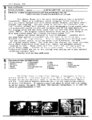
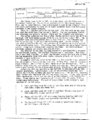
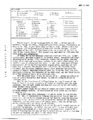
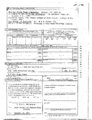
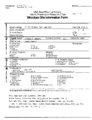
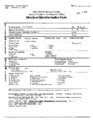
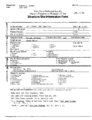
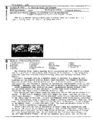
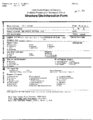
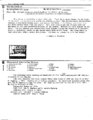
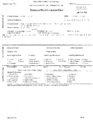
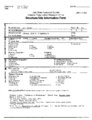
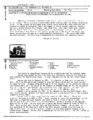
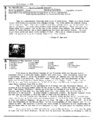
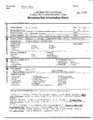
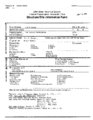
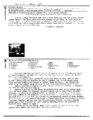
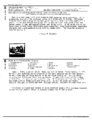
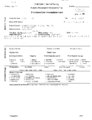
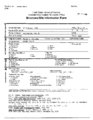
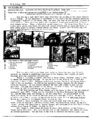
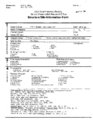
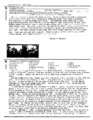
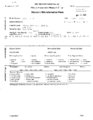
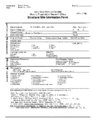
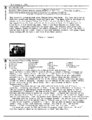
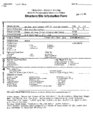
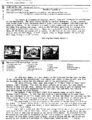
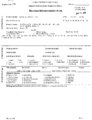
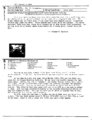
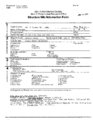
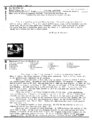
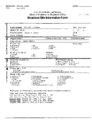
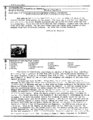
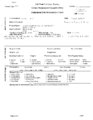
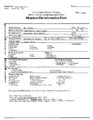
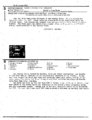
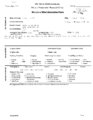
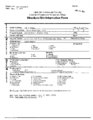
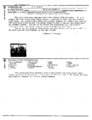
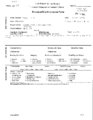
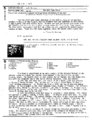
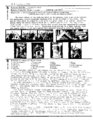
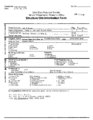
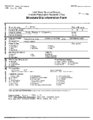
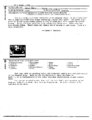
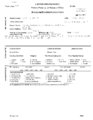
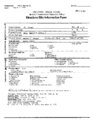
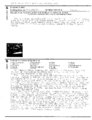
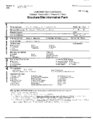
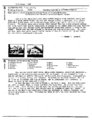
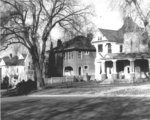
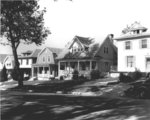
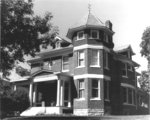
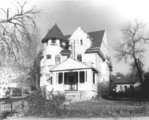
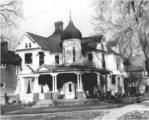
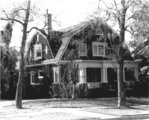
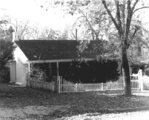
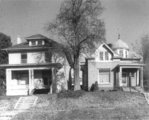
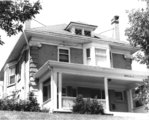
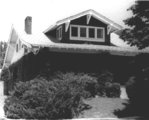
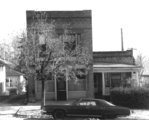
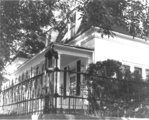
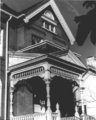
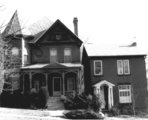
Show 182 Street - 1889 ca Architect/Builder: Building Type/Style: Victorian eclectic Building Materials: adobe/ brick Description of physicaTappearance & significant architectural features: (Include additions, alterations, ancillary structures, and landscaping if applicable) This is a rambling one-story Victorian home, The north wing has a hip roof with an unusual chimney. There is a small gabled canopy supported by brackets over the front door, which has sidelights and a transom. Door and window openings are arched. The south wing has a transverse gable roof and there is a north door with a carved canopy and a south door with a small porch. - Thomas W. Hanchett 6 > oc O V) I Statement of Historical Significance: D Military D Aboriginal Americans d Communication D Agriculture Q Conservation D Mining D Minority Groups D Political O Recreation Q Architecture D Education n The Arts D Exploration/Settlement D Commerce D Industry D D D D Religion Science Socio-Humanitarian Transportation This house is significant because it is the only remaining house of Heber M. Wells, the first governor of Utah after statehood. It's Victorian style adds to the architectural character of the Avenues. Heber M. Wells was born in Salt Lake City on August 11,1859 to Daniel H. Wells and Martha Harris Wells. He married Mary Elizabeth Beatie, the daughter of Hampden and Marion Mumford Beatie(155 3rd). She was born Dec.9, 1858 and died October 13, 1889. He then married Teresa Clawson on October 15,1892. She was the daughter of Hiram and Margaret Judd Clawson. She was born April 6,1856 and died July 10, 1897. He then married Emily Katz on July 5,1901. She was born January 8, 1872 to Alma Katz and Annette Player Katz. She survived Heber. Heber was active in politics throughout most of his life. After graduating from the University of Deseret, he became a city tax collector. He was a deputy city' recorder and then was elected city recorder. He served in that position until 1890. Wells served as a member of the Constitutional Convention that drafted the 1895 State Constitution. After Utah was accepted as a state, he was elected governor. He served as governor from 1896 to 1904. During his administration Utah's state govern ment was organized. Wells remained active in local politics. In 1913 he was elected to the city commission and he held that position until 1917. Wells was also involved in local business, In 1890 he became the cashier of the State Bank of Utah, He was also the managing director of the Utah Savings and Trust Company, a director of the State Bank of Utah, the Brigham Young Trust Company and the Consolidated Wm<gonh<and Machine Company. He was an assistant editor of the Salt Lake Herald in 1919. In 1921 he was appointed assistant treasurer of the United"""states |