| OCR Text |
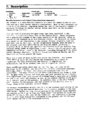
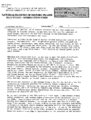
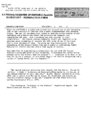
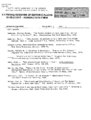
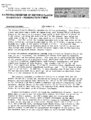
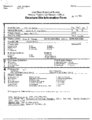
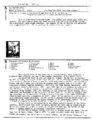
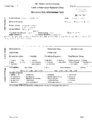
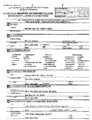
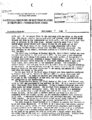
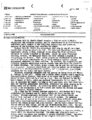
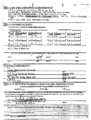
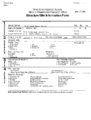
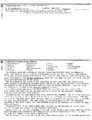
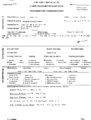
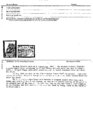
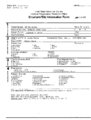
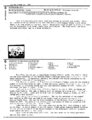
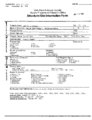
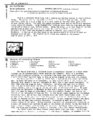
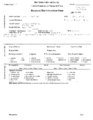
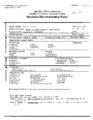
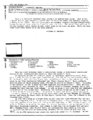
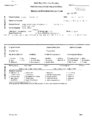
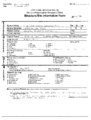
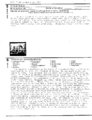
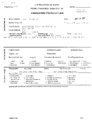
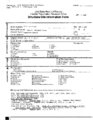
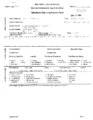
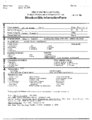
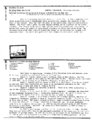
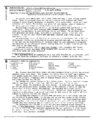
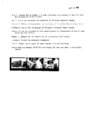
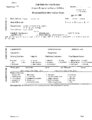
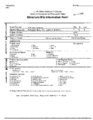
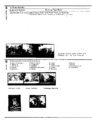
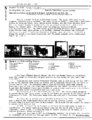
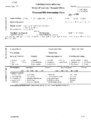
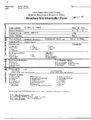
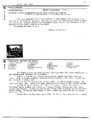
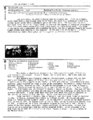
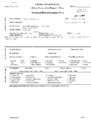
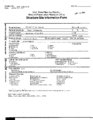
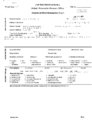
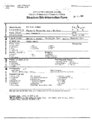
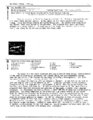
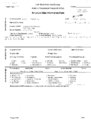
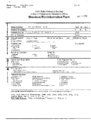
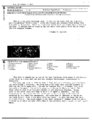
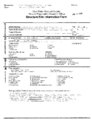
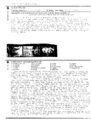
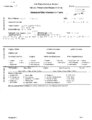
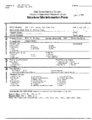
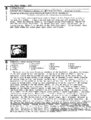
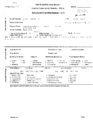
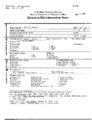
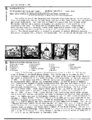
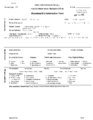
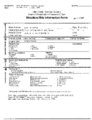
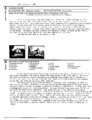
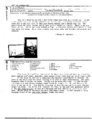
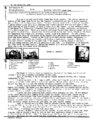
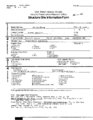
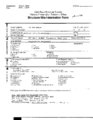
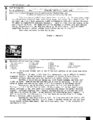
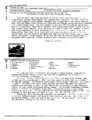
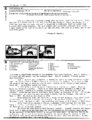
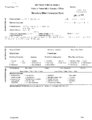
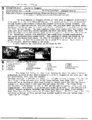
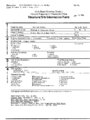
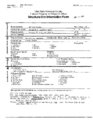
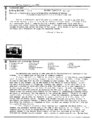
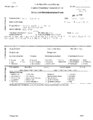
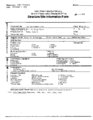
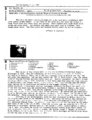
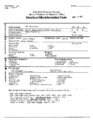
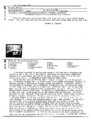
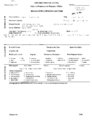
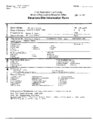
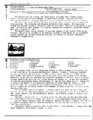
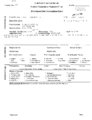
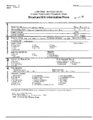
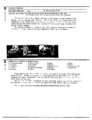
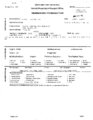
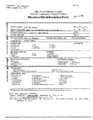
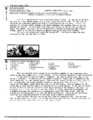
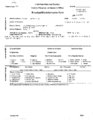
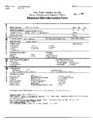
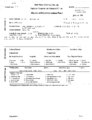
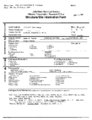
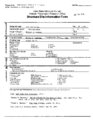
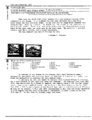
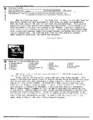
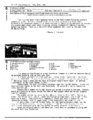
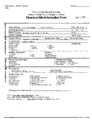
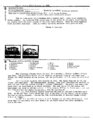
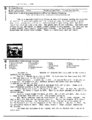
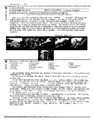
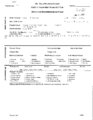
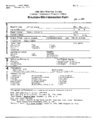
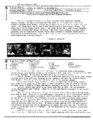
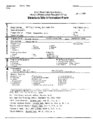
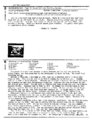
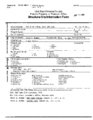
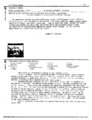
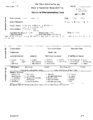
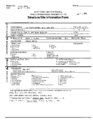
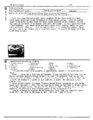
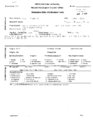
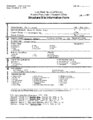
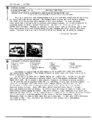
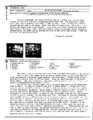
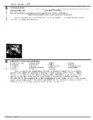
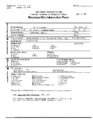
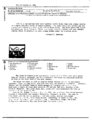
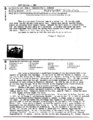
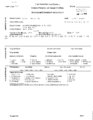
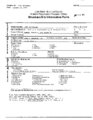
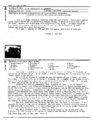
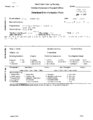
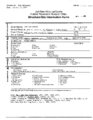
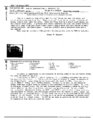
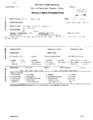
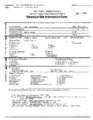
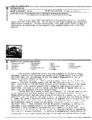
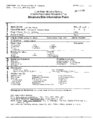
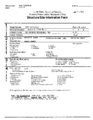
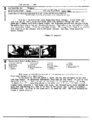
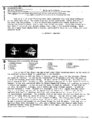
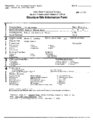
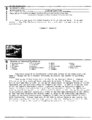
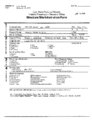
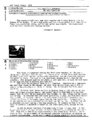
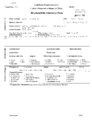
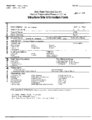
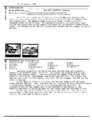
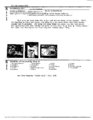
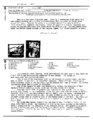
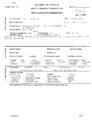
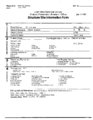
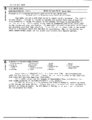
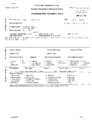
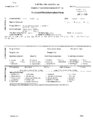
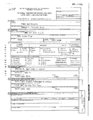
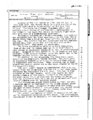
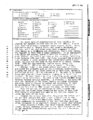
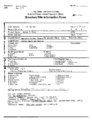
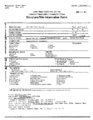
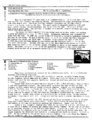
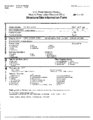
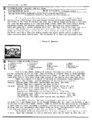
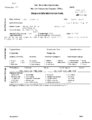
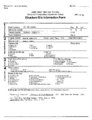
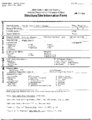
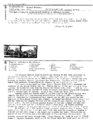
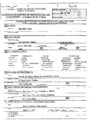
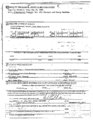
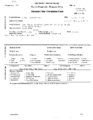
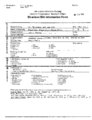
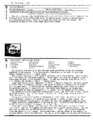
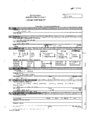
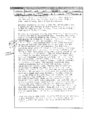
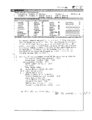
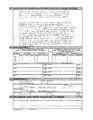
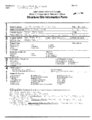
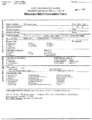
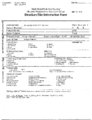
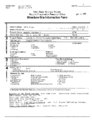
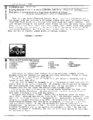
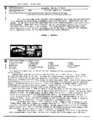
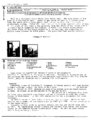
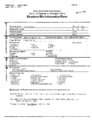
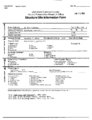
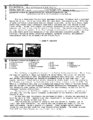
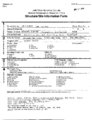
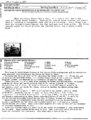
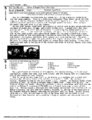
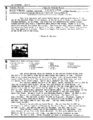
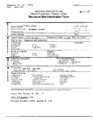
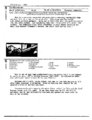
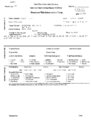
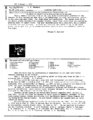
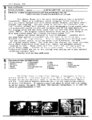
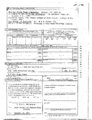
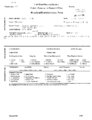
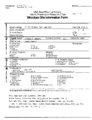
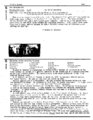
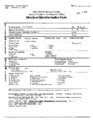
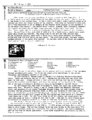
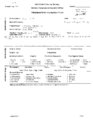
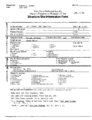
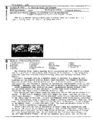
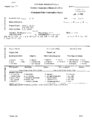
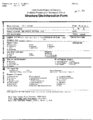
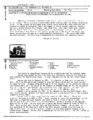
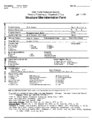
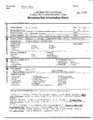
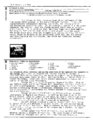
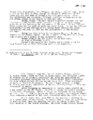
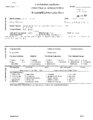
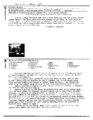
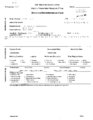
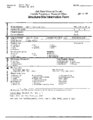
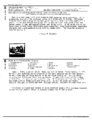
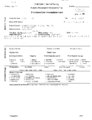
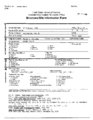
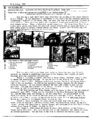
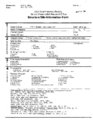
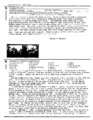
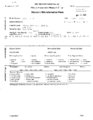
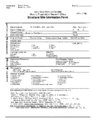
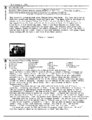
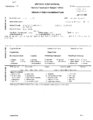
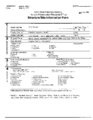
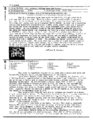
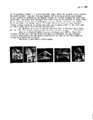
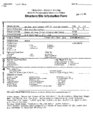
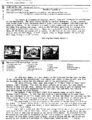
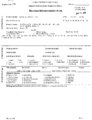
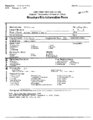
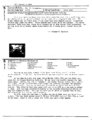
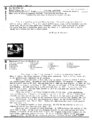
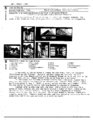
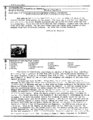
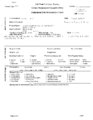
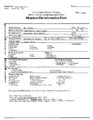
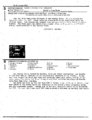
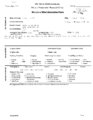
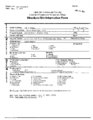
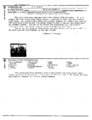
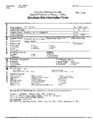
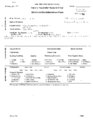
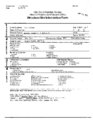
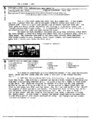
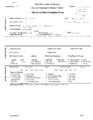
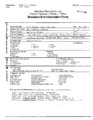
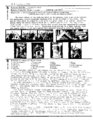
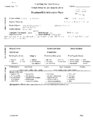
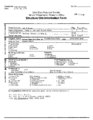
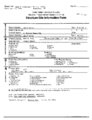
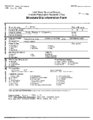
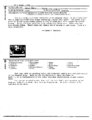
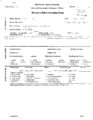
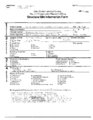
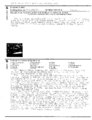
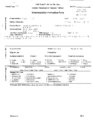
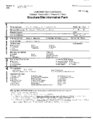
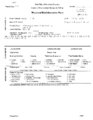
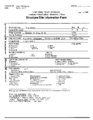
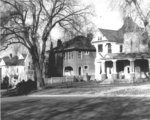
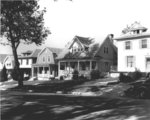
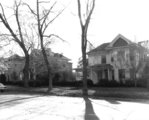
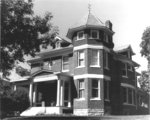
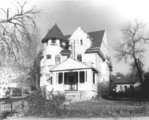
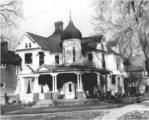
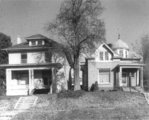
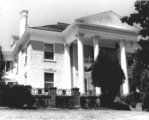
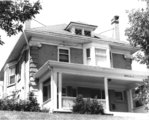
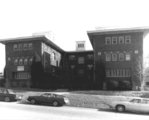
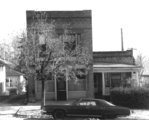
Show 371 7th Avenue - 1906 Architect/Builder: Building Type/Style: box type Building Materials: brick Description of physical appearance & significant architectural features: (Include additions, alterations, ancillary structures, arid fandscaping if applicable) This is a two-story cube-shaped home with The broad first floor wooden front porch has with balustrades between. There is a wooden foundation is made of very large rough-faced 6 > DC o <*> X a hip roof and a front center dormer window, paired square columns on paneled posts, one-story west side bay window. The stone blocks. Statement of Historical Significance: D D a D D Aboriginal Americans Agriculture Architecture The Arts Commerce a a O O D Communication Conservation Education Exploration/Settlement Industry Q O D D D Military Mining Minority Groups Political Recreation D D a D Religion Science Socio-Humanitarian Transportation The materials and massing of this box type house contribute to the architectural character of the Avenues. It is historically significant as the home of James Cash Penney, founder of the J. C. Penney chain. This property was part of that owned by Alexander and Florence Watson. They may have built this house, for investment purposes. At any rate, they sold the property in 1905 to Rhoda Chase WeIcker, Albert Welcker's widow. In 1909 she sold the house for $6,750 to J. C. Penney, the founder of the J. C. Penney stores. James Cash Penney was born September 16, 1875, in Hamelton Missouri. He first opened a butcher store in Loagmont, Colorado, then moved to Evans ton, Wyoming where he worked in a dry good store. In 1902 he and two partners opened the first Golden Rule Store. The partners sold out to Penney in 1907. The stores were known as the Golden Rule until 1913 when the name was changed to J. C. Penney. By 1927 Penney had 750 stores. The Golden Rule stores made their headquarters in Salt Lake from 1909 to 1913. During those years Penney lived in this house. His wife, Beta Hess, whom Penney married in 1908, died here in 1910. Penney joined the Scottish Rite of Freemasonry in Salt Lake. He attended the First united Methodist Church at 203 South 200 East and was a trustee of that Church. He remained an honorary trustee until 1966 when that title was eliminated from the Church. Penney moved his buying offices to New York in 1913. In 1918 he sold this house for $6,500 to Frank R. Payne, the manager of his Salt Lake store. Frank and his wife Maude lived here until 1927 when they sold it to Amy B. Grover (1877-1957). Amy was the daughter of Abner Chase and Elizabeth Tranter Bigler. She had been born in Nephi and had married Roscoe Grover ( -1912). She became a prominent civic and church (L.D.S.) worker. During World War I she had served on the council for National Defense and in the Red Cross. She was an active member of Business and Profession |