| OCR Text |
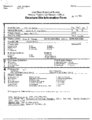
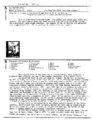
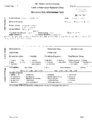
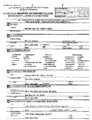
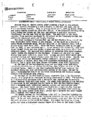
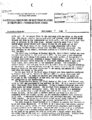
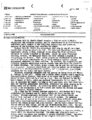
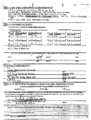
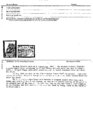
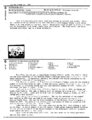
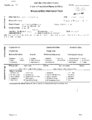
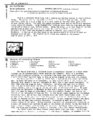
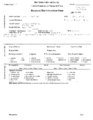
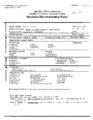
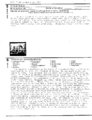
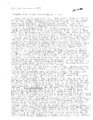
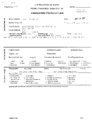
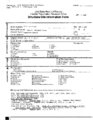
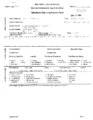
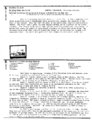
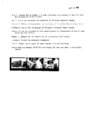
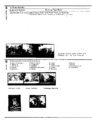
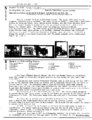
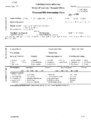
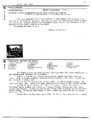
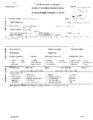
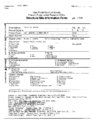
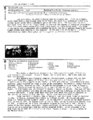
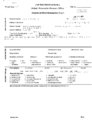
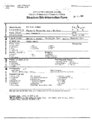
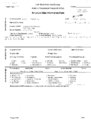
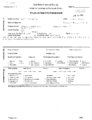
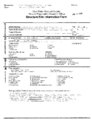
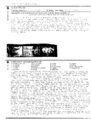
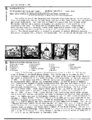
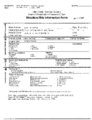
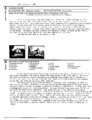
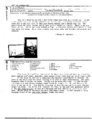
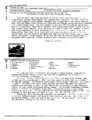
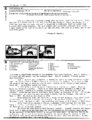
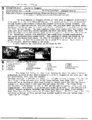
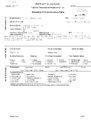
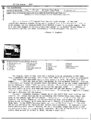
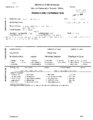
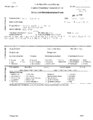
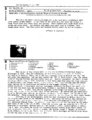
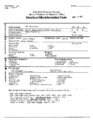
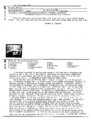
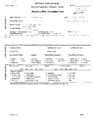
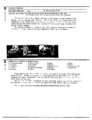
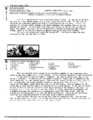
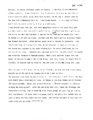
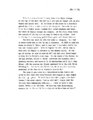
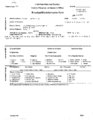
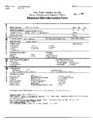
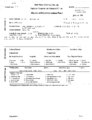
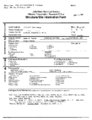
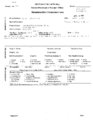
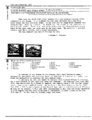
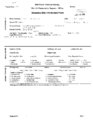
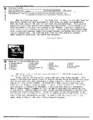
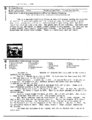
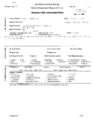
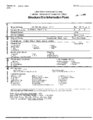
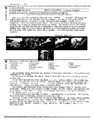
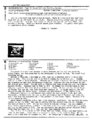
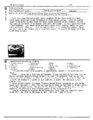
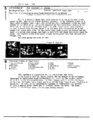
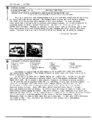
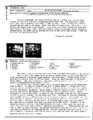
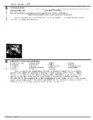
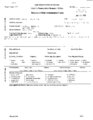
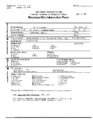
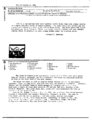
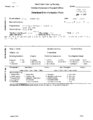
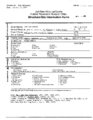
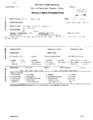
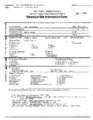
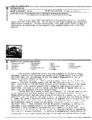
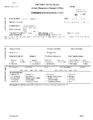
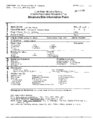
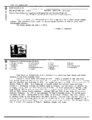
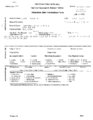
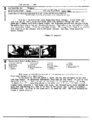
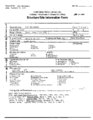
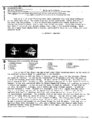
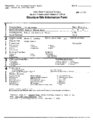
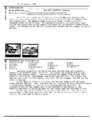
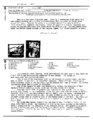
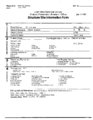
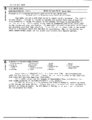
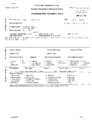
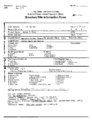
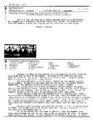
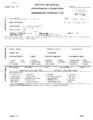
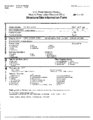
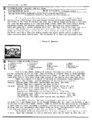
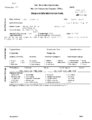
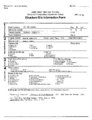
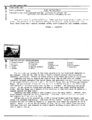
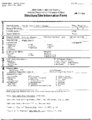
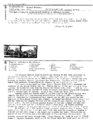
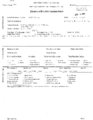
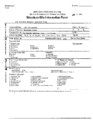
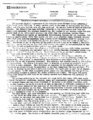
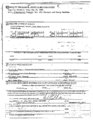
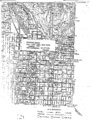
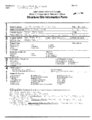
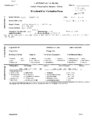
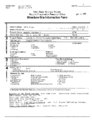
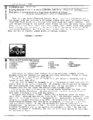
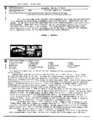
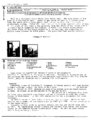
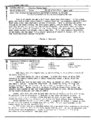
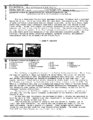
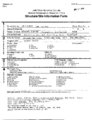
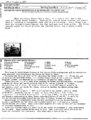
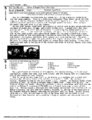
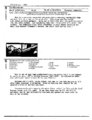
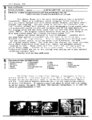
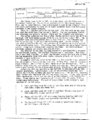
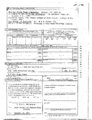
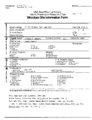
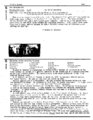
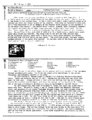
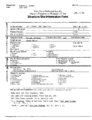
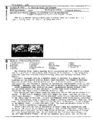
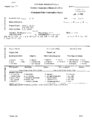
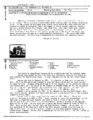
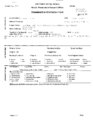
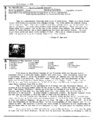
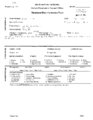
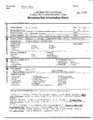
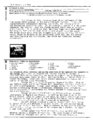
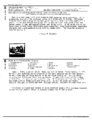
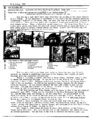
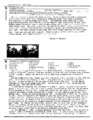
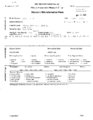
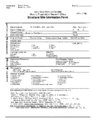
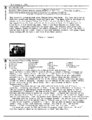
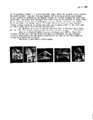
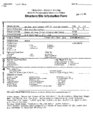
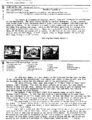
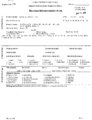
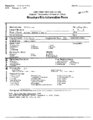
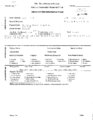
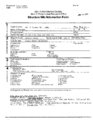
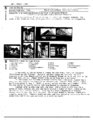
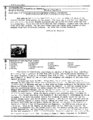
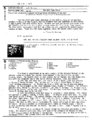
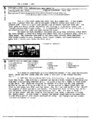
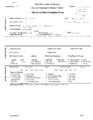
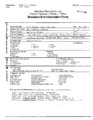
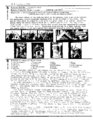
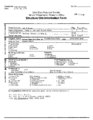
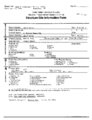
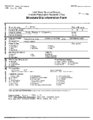
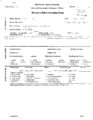
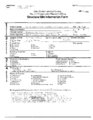
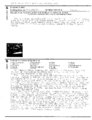
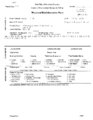
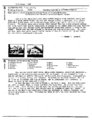
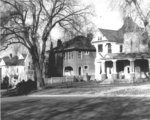
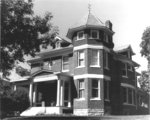
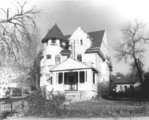
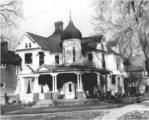
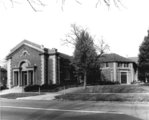
Show 387-389 1st Ave. - 1907 Architect/Builder: Theodore Laundsen Building Type/Style: Gothic Revival Building Materials: brick Description of physical appearance & significant architectural features: (Include additions, alterations, ancillary structures, and landscaping if applicable) This is a Gothic Revival neighborhood church. The corner bell tower has an octagonal belvedere with a tentroof. The tower itself is square in plan with a scallopped cornice of corbelled brick, tall, narrow arched windows, and the front entrance below. The front (south) facade is dominated by a large pointed arched Gothic window with tracery and stained glass. The front stair has stone and terracotta blocks with stylized letter 'A'. The east facade of the building has three tall pointed arched Gothic windows under false gables, with tracffltg,. Between the windows are buttresses and there are a pair of buttresses beyond the windows toward the rear of the ^building. Behind the church is an attached parsonage with Victorian eclectic style architecture. (See # 67 E St.). Statement of Historical Significance: <r O in z D Q D O O Aboriginal Americans Agriculture Architecture The Arts Commerce D D D D D Communication Conservation Education Exploration/Settlement Industry a O Q a Military Mining Minority Groups Political a Recreation ffl^Religion D Science D Socio-Humanitarian n Transportation Lutheran-Baptist Church, the only non-Mormon Church on the Avenues, shows the attempt by Protestants to gain converts in Utah during the late 1880's and early 1900's. ; Missionaries from several Protestant Churches came to Utah during the late 1800's to try to win converts from among the Mormons and to establish Churches for the Gentiles who had come to Utah, the Lutherans came to Utah for basically these same reasons. There was a special hope that since many Scandinavians had joined the Mormon Church in Europe that the Lutheran Church might be able to convert these people back to the Lutheran Church when they became dissatisfied with their new faith. The Lutherans were not one united force in Utah. The various state religions throughout Europe had formed synods in the United States and several of the synods sent mi missionaries to Utah. The Danes were among those who sent aid to the Mormon infested area. The first Danish mission was established by Reverend F.W.- Blohm. Blohm was sent to Utah by the Presbyterian Church but he ran the Lutheran Mission. In 1890 he established his missionary work on the Avenues. The mission did not receive the support it needed and it died out soon. In 1902 the United Danish Evangelical Lutheran Church made plans to start a Utah Mission. The womans organization raised money and the church sent H. Hansen as a missionary. After a year of holding meetings at various churches and in homes, he: resigned and Harold Jensen replaced him. . Jensen was born June 12,1871 in Tvilumgaard, Denmark. He attended the University of Copenhagen and received his theology degree in 1896. He worked for the Christian Daily |