| OCR Text |
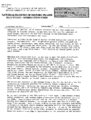
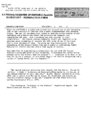
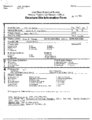
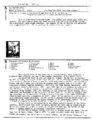
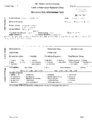
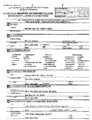
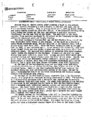
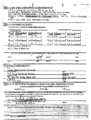
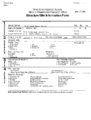
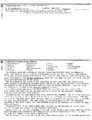
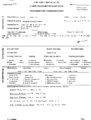
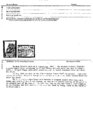
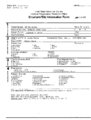
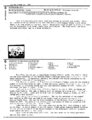
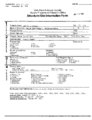
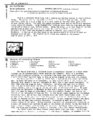
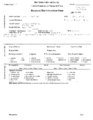
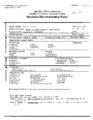
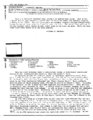
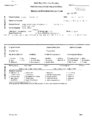
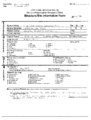
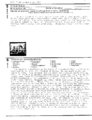
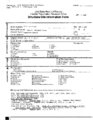
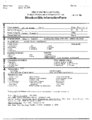
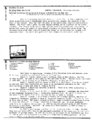
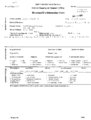
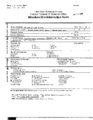
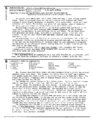
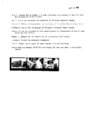
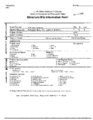
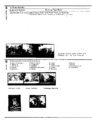
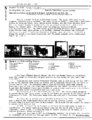
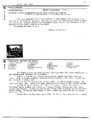
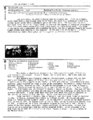
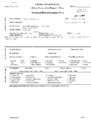
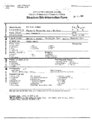
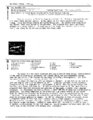
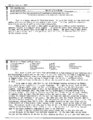
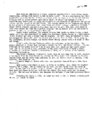
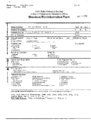
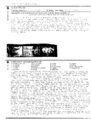
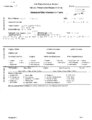
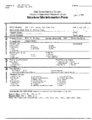
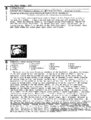
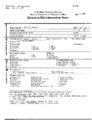
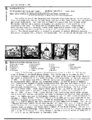
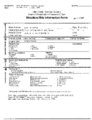
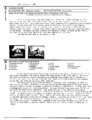
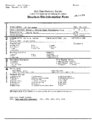
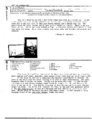
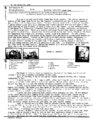
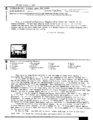
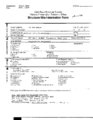
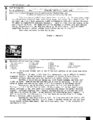
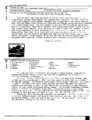
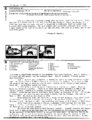
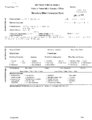
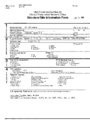
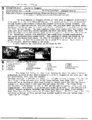
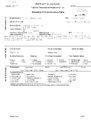
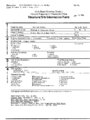
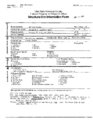
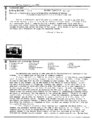
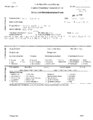
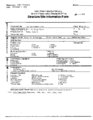
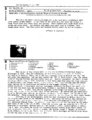
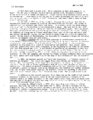
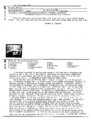
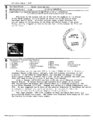
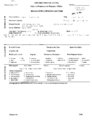
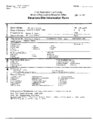
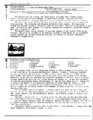
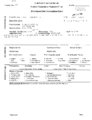
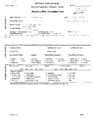
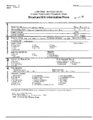
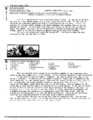
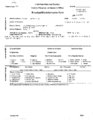
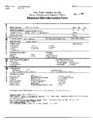
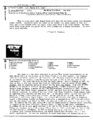
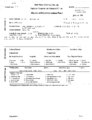
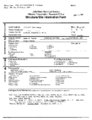
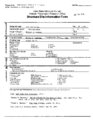
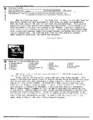
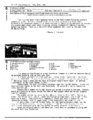
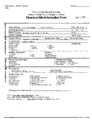
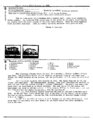
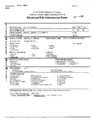
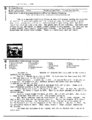
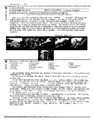
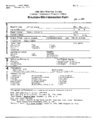
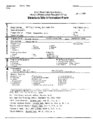
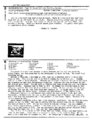
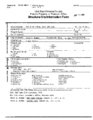
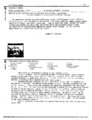
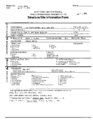
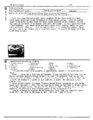
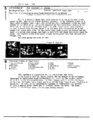
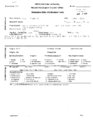
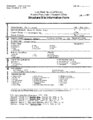
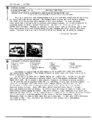
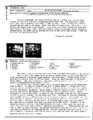
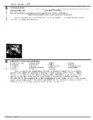
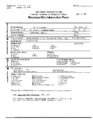
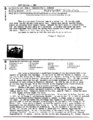
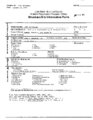
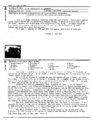
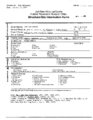
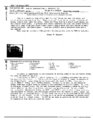
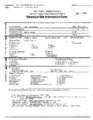
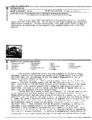
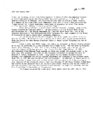
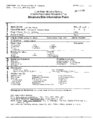
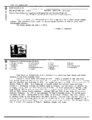
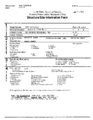
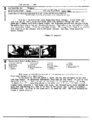
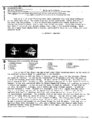
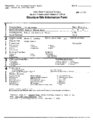
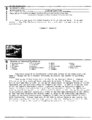
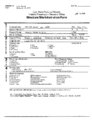
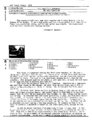
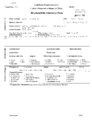
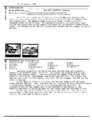
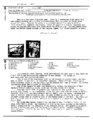
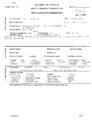
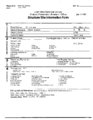
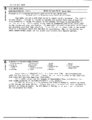
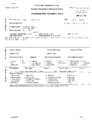
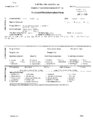
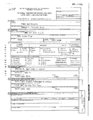
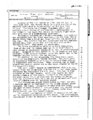
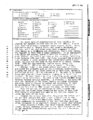
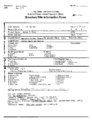
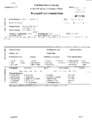
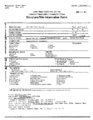
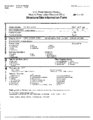
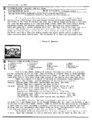
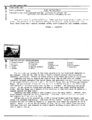
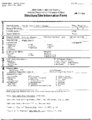
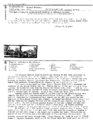
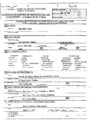
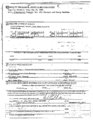
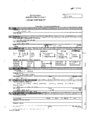
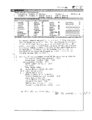
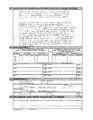
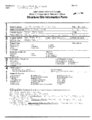
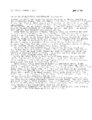
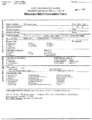
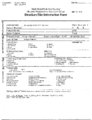
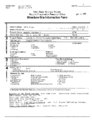
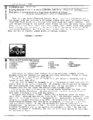
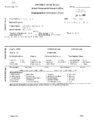
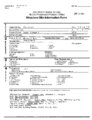
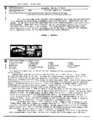
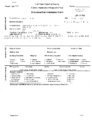
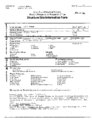
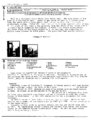
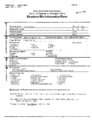
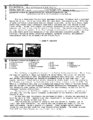
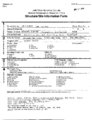
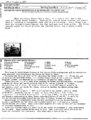
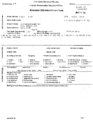
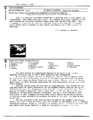
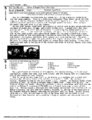
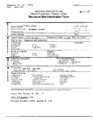
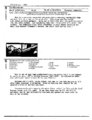
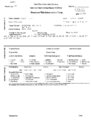
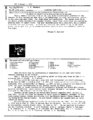
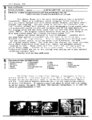
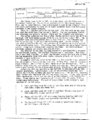
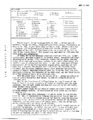
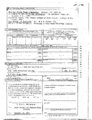
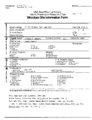
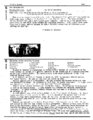
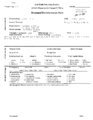
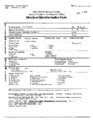
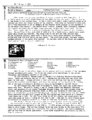
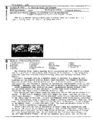
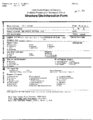
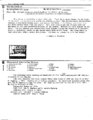
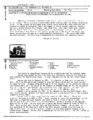
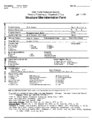
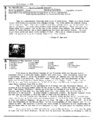
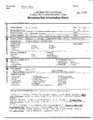
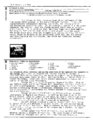
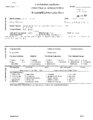
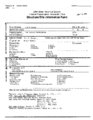
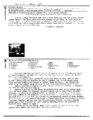
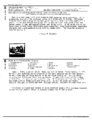
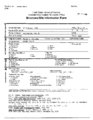
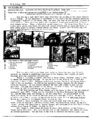
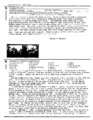
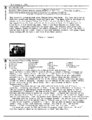
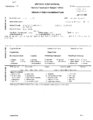
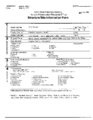
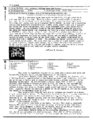
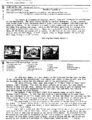
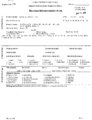
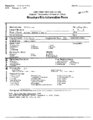
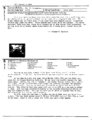
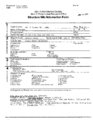
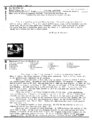
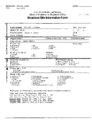
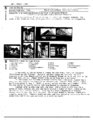
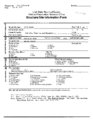
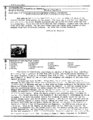
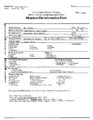
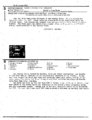
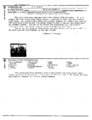
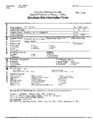
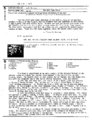
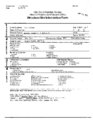
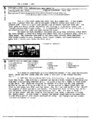
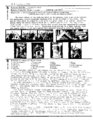
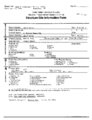
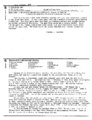
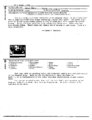
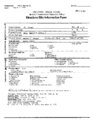
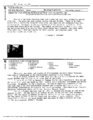
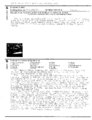
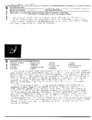
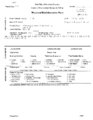
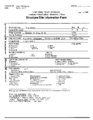
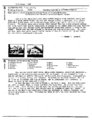
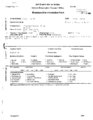
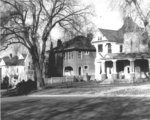
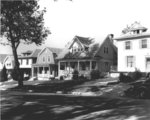
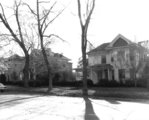
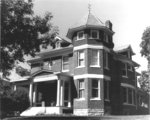
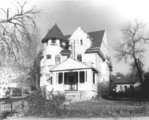
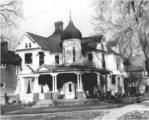
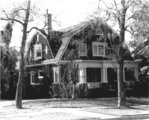
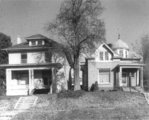
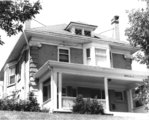
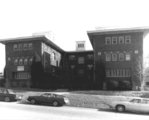
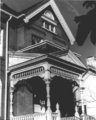
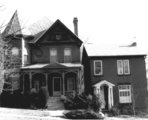
Show 68 G Street-c. 1888 Architect/Builder: Building Materials: wood shingle siding brfekldin 9 Type/Style: Victorian eclectic Description of physical appearance & significant architectural features: (Include additions, alterations, ancillary structures, and landscaping if applicable) This two-story Victorian home shows Shingle Style influences. The front gable has an elaborate curved wood shingle fascia and gable end. The upper walls of the house are covered with wood shingle siding that flairs out over the brick first story. In the cornice below the roof, and also at the boundary between the shingles and the brick there is tiny dentil moulding. Most of the large windows are double hung with small, square panes bordering the upper sash. The original front porch with doric columns, dentilled cornice, and turned balusters, is still intact, and there is also an east side bay window. There is excellent interior woodwork, with glass French doors opening off the hall to the three first floor parlors. --Thomas W. Hanchett Statement of Historical Significance: D D & a Q Aboriginal Americans Agriculture Architecture The Arts Commerce D Q a D D Communication Conservation Education Exploration/Settlement Industry D Military ST Mining a Minority Groups a Political D a a a Religion Science Socio-Humanitarian Transportation D Recreation This house is a good example of Victorian Style architecture. The house was built in about 1888 by Lewis P. Kelsey, a member of Kelsey, Gillespie and Pomeroy, a real estate company. He sold it in 1888 to Charles M. Bell and Minnie Priscilla Bell. Charles was a commercial traveler. There is no more information available on it. He sold the house in 1896 to Charles Scheu who was involved in mining. There is no information on him in the sources checked. Scheu sold the house in 1902 to James X. Ferguson. Ferguson was the manager of the Keith 0-Brien Company. He was the brother of Mrs. David Keith. Keith was a founder of Keith-O'Brien. Ferguson died in 1919. Ferguson lived here one year and then sold the house to Eva and William W. Armstrong. Armstrong was a banker in Utah. He was born in Wisconsin on September 18, 1865 to William H. and Georgia Wright Armstrong. He got his law degree in 1887 at the University of Wisconsin. He came to Utah in 1890. He worked in the hardware business and then became a cashier at several banks. He became the president of the First National Bank of Park City and in 1910 became president of the National Copper Bank of Salt Lake City. When the Bankers Trust Company was formed he became the president, Armstrong sold the house in 1907 to Josephine Bassett. She did not live in the house and in 1908 she sold it to Garret O'Neill. O'Neill died in 1922. He sold the house in 1911 to his daughter, Elizabeth A. O'Neill. She was born to Garrett and Josephene Brophy 0'Neill in Feb. 1878, Evanston, Wyoming. She died in 196V. Her brother Garrett J. O'Neill inherited the house and he lived here from 1966 to 1967. ^ The house was vacant in 1968 and Timothy M. Wengard bought the house. He work with the repertory dance at the University of Utah, Salt Lake City. |