| OCR Text |
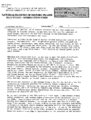
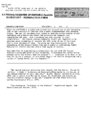
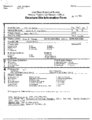
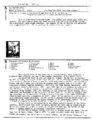
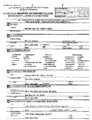
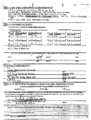
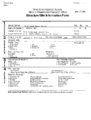
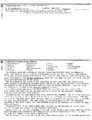
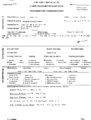
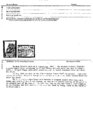
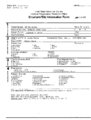
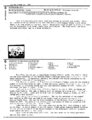
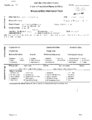
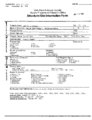
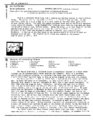
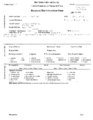
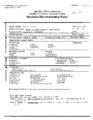
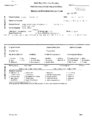
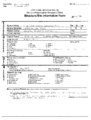
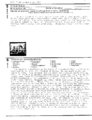
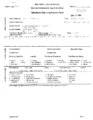
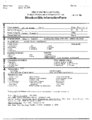
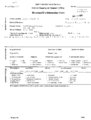
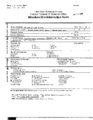
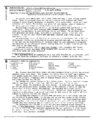
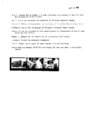
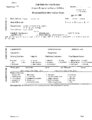
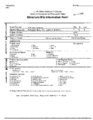
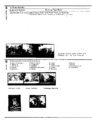
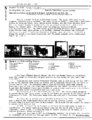
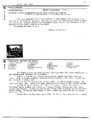
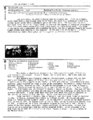
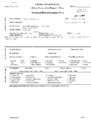
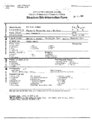
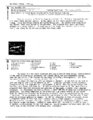
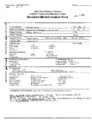
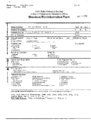
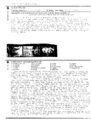
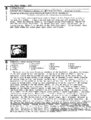
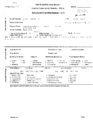
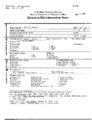
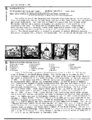
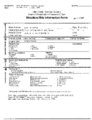
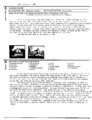
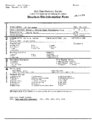
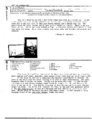
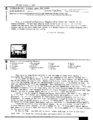
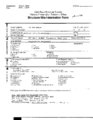
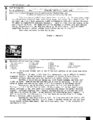
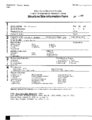
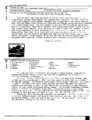
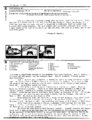
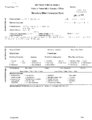
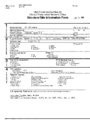
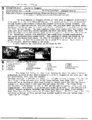
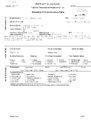
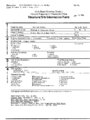
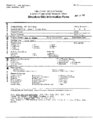
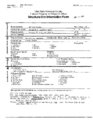
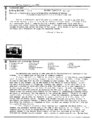
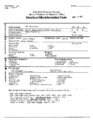
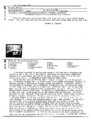
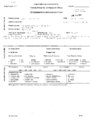
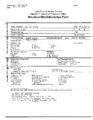
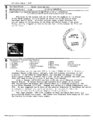
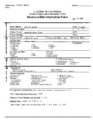
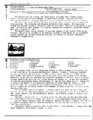
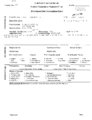
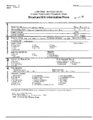
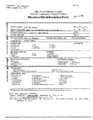
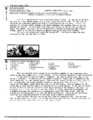
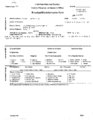
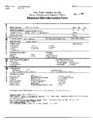
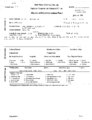
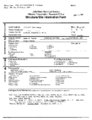
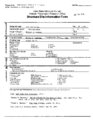
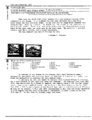
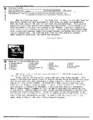
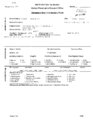
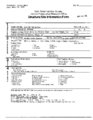
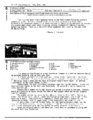
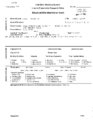
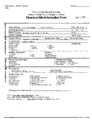
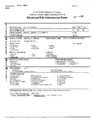
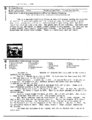
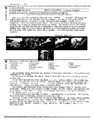
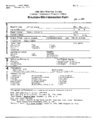
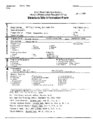
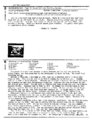
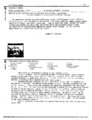
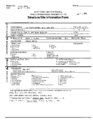
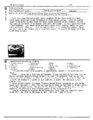
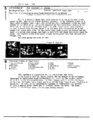
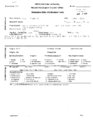
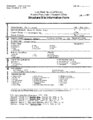
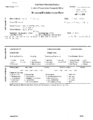
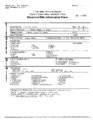
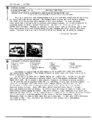
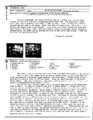
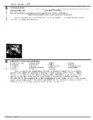
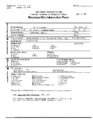
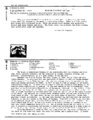
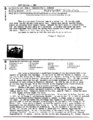
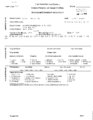
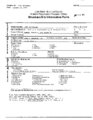
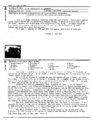
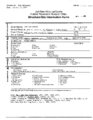
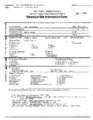
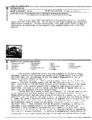
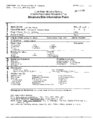
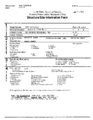
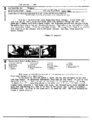
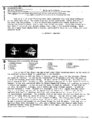
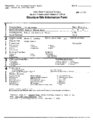
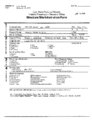
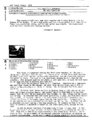
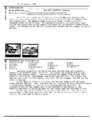
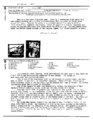
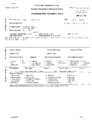
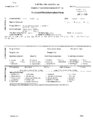
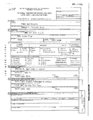
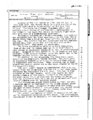
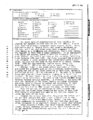
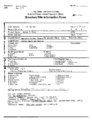
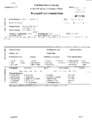
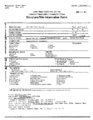
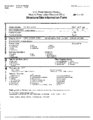
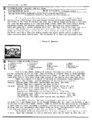
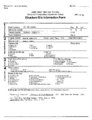
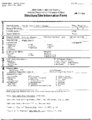
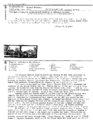
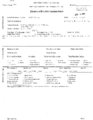
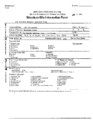
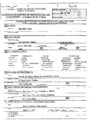
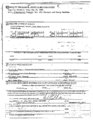
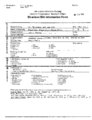
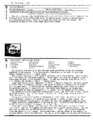
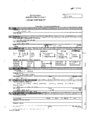
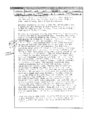
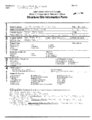
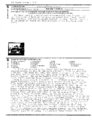
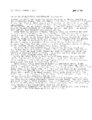
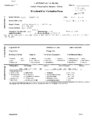
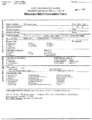
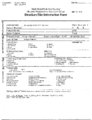
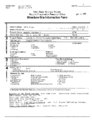
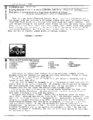
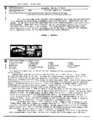
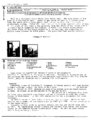
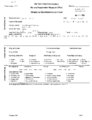
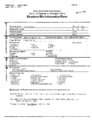
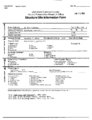
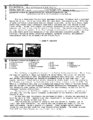
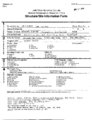
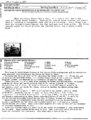
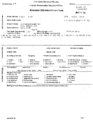
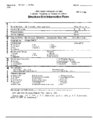
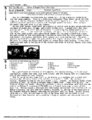
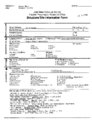
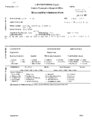
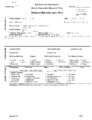
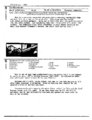
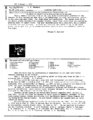
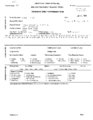
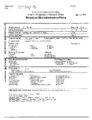
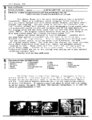
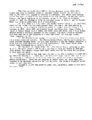
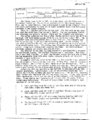
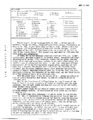
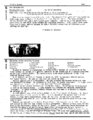
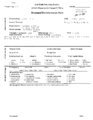
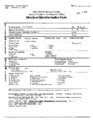
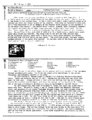
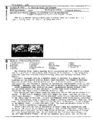
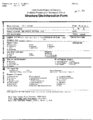
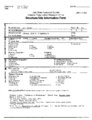
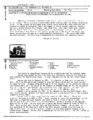
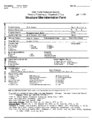
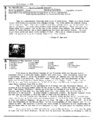
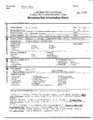
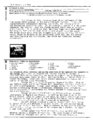
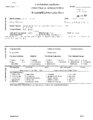
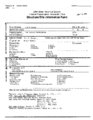
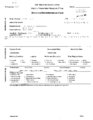
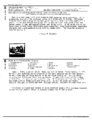
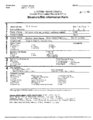
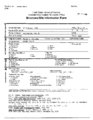
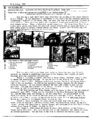
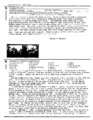
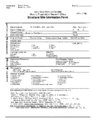
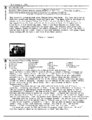
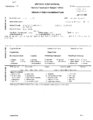
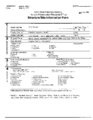
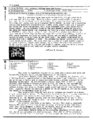
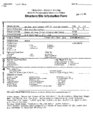
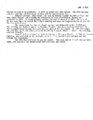
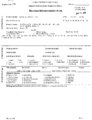
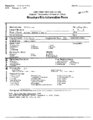
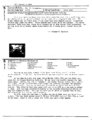
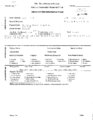
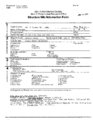
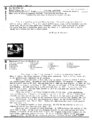
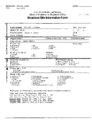
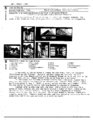
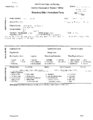
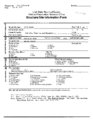
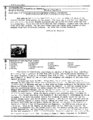
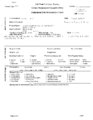
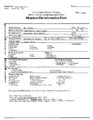
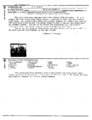
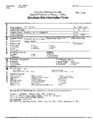
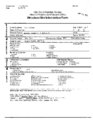
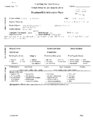
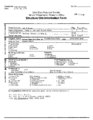
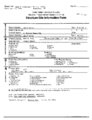
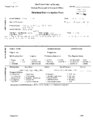
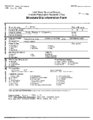
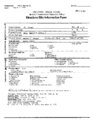
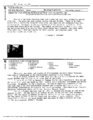
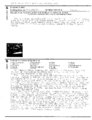
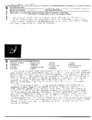
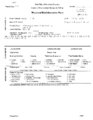
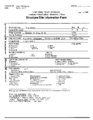
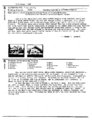
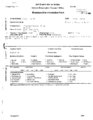
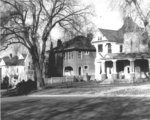
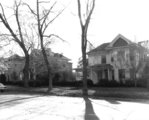
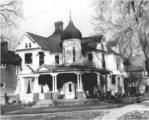
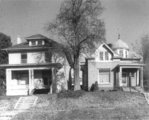
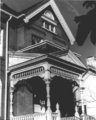
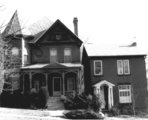
Show 1014 3rd Avenue-1898 5 Architect/Builder: John M, Anderson/John G, Anderson^ gr t Building Type/Style: Victorian eclectic Building Materials: brick Description of physical appearance & significant architectural features: (Include additions, alterations, ancillary structures, and landscaping if applicable) This is a two-story home with a main hip roof flared out over the eaves, and a hip-roofed projecting front bay. There is a small front dormer window. A bracketed wooden cornice runs under the eaves. Above the front door is a second story window set in a raised brick panel. A corbeled belt course separates the first and second stories, There is a large three part front window under a single brick arch with wooden columns, decorative brick, and leaded glass. There was probably once a northwest front porch, now removed. This house is similar to 1006 and 1010 3rd Avenue also built in 1898 by Anderson, -Thomas W. Hanchett Statement of Historical Significance: a Aboriginal Americans D Agriculture D Communication D Conservation D The Arts a Exploration/Settlement D Architecture D Commerce O Education O Industry D D a D Military Mining Minority Groups Political O Recreation D Religion P Science a Socio-Humanitarian O Transportation The house is significant as the residence of Apostle Lyman of the LDS Church during the last ten years of his life. It was built in 1898 for John G. Anderson, Jr,, a building contractor who was in business with his father. In 1906 he sold the house to Francis M, Lyman, an apostle of the Mormon Church. Lyman lived in the house until his death in 1916. Lyman was a son of Amasa M. Lyman, also a Mormon apostle. In March 5, of 1863, he was called by Mormon President Brigham Young to supervise the settlement of Millard County. He lived in Fillmore, Millard County, for the next fourteen years, becoming a leader in not only church affairs, but also in politics, business, and manufacturing. He was a member of the territorial legislature during the 1860's and 1870's; county clerk, county recorder, superintendent of schools, and prosecuting attorney.With his father he built, owned, and operated the O.K. Flouring Mills. In 1877 Lyman was called to be president of the Tooele Stake of the LDS Church. In the following years he became as prominent in Tooele County as he had been in Millard County. In 1880 he was made an apostle in the LDS Church and he remained in that position until his death. |