| OCR Text |
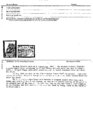
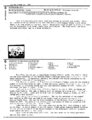
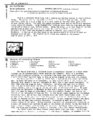
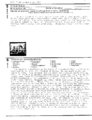
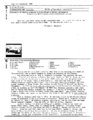
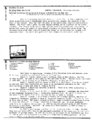
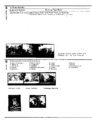
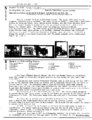
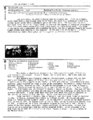
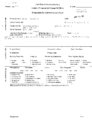
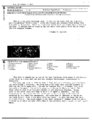
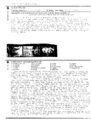
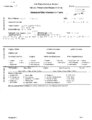
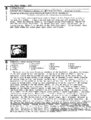
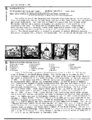
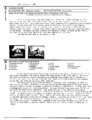
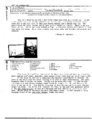
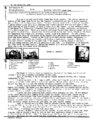
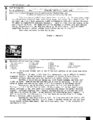
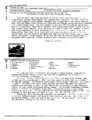
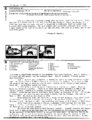
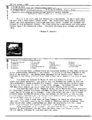
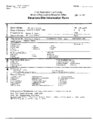
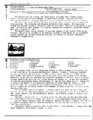
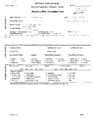
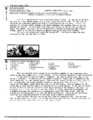
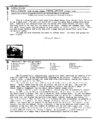
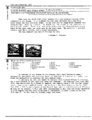
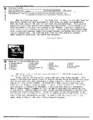
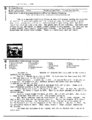
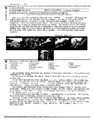
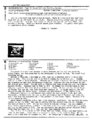
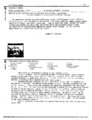
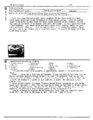
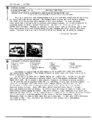
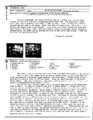
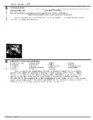
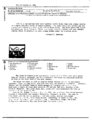
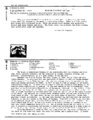
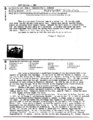
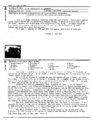
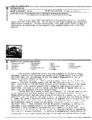
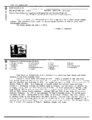
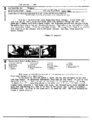
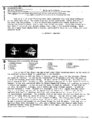
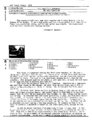
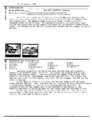
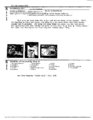
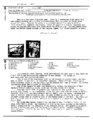
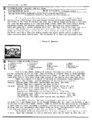
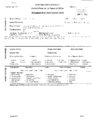
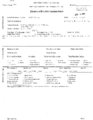
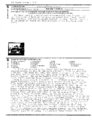
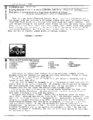
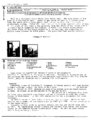
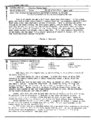
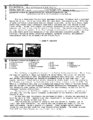
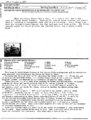
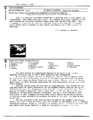
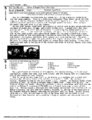
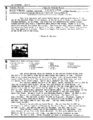
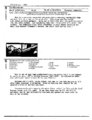
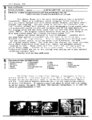
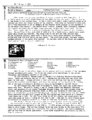
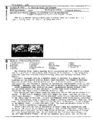
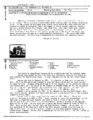
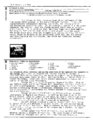
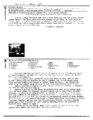
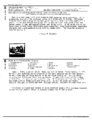
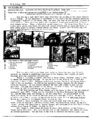
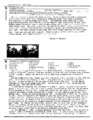
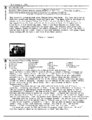
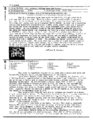
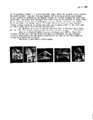
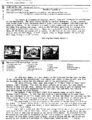
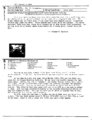
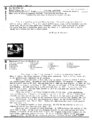
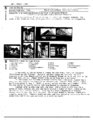
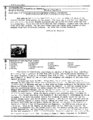
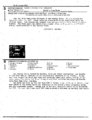
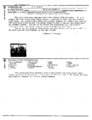
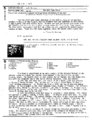
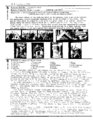
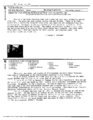
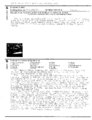
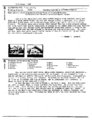
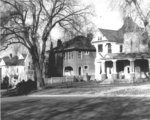
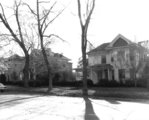
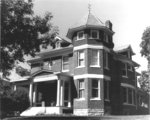
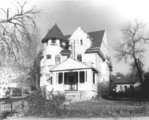
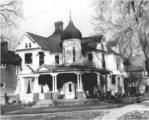
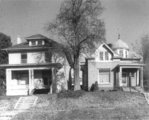
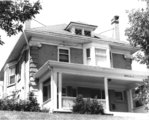
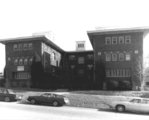
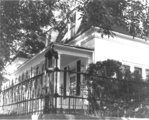
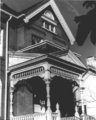
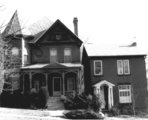
Show 73 G Street 5 Architect/Builder: H.H. Anderson/ William Aspen and Company Building Type/Style: Queen Anne Building Materials: brick Description of physical appearance & significant architectural features: (Include additions, alterations, ancillary structures, and landscaping if applicable) This is a two-story Queen Anne style mansion built of light brown brick with wood and red brick trim. There is a front center eyelid window in the main hip roof. At the southeast corner of the house is a square two-story tower whose four-sided bell carved roof has a triangular" dormer window, The tower has a bracket ted cornice with decorative brickwork below, a laTge second floor window with a sunlight and carved red brick drip molding, and a large transomed first floor window with a carved lintel. At the northwest corner of the main facade a gabled bay projects. The gable has fascia boards with rossettes and there is a small triple window with an ornately carved sunburst pattern lintel. Second floor windows have decorative upper sash while first floor windows are arched with carved drip molding. A red brick belt course separates the first and second floors, and two smaller corbelled belt courses of brown brick are found on the first story. The ornate front porch has a mansard roof with a pediment in front. The pediment has dental molding and an elab'orate carved center panel. The porch below has a screen of turned members supported by carved bracketts, turned porch columns, and a balustrude with turned balusters. In the interior much of the original oak woodwork remains, supplemented by a recent remodelling directed by Salt Lake City designer Richard Assenberg. -Thomas W. Hanchett Statement of Historical Significance: D O D D D Aboriginal Americans Agriculture Architecture The Arts Commerce n a D a D Communication Conservation Education Exploration/Settlement Industry 0 D D D a Military Mining Minority Groups Political Recreation D D D D Religion Science Socio-Humanitarian Transportation This house is significant because of its Queen Anne architectural style and because David Murdoch was a prominent businessman on the Avenues. David Lennox Murdoch, (1852-1928) born in Cronbury, Ayr Scotland, (son of William Murdoch, superintendent of the Underground Coal Mines in Murkirk, Scotland), who at the age of twelve went to London and later became a private secretary to the Whitelaws in Parliment. He and Elizabeth Pinkerton Thyne, Born in 1851 in Glasgow, Scotland, were married in Glasgow on April 18,1878, and came to Utah the same year because of his membership in the Church of Jesus Christ of Latter-day Saints. They settled in Heber City where Mr. Murdoch taught school and five of their children were born. Elizabeth Murdoch was baptized a member of the LDS Church in 1878 and the couple was sealed in the Endowment House in 1879. They moved to Salt Lake and were able to purchase the property on G Street from President Karl G. Maeser. The Murdoch family lived in the little adobe house (69 G) on the property immediately to the south while building the "big house" as they referred to it. Mr. Murdoch insisted that the rock foundation be allowed to settle one full year before any bricks be laid. The house took two-and-one-half years to build. It was finished in 1894. Ten children were born in the family but only five lived to adulthood: William (Who served as City-Commissioner in charge of finance in Salt Lake City,), Janet (Mrs. Jerry Thompson, a member of the General Board of the Relief Society), Nora, Mary and Afton (the only child born in the "big house"). David Lennox Murdoch worked in the accounting department of ZCMI and at the time of his retirement was chief accountant. From 1905 to 1907 he served on a mission for the LDS Church in Scotland. He also managed the twentieth ward Co-op |