| OCR Text |
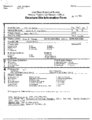
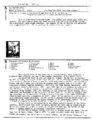
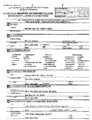
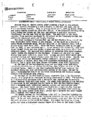
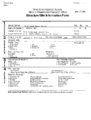
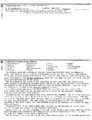
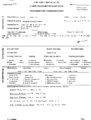
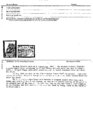
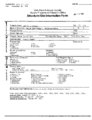
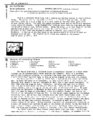
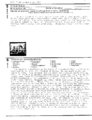
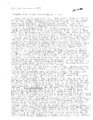
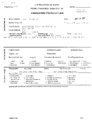
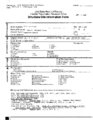
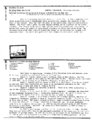
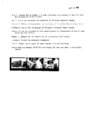
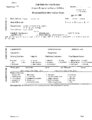
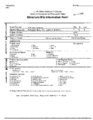
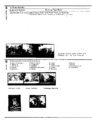
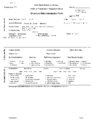
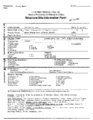
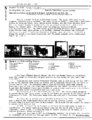
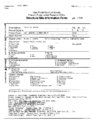
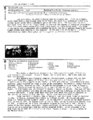
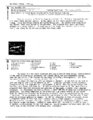
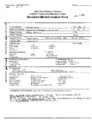
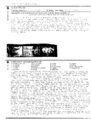
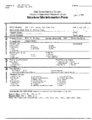
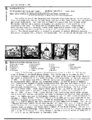
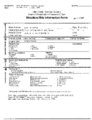
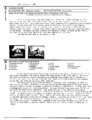
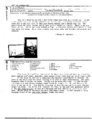
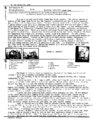
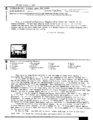
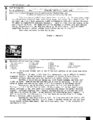
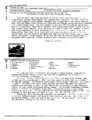
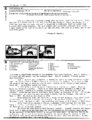
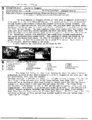
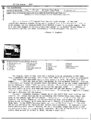
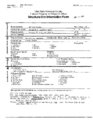
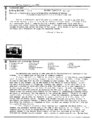
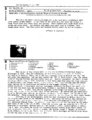
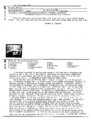
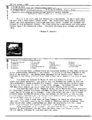
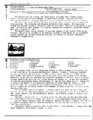
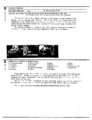
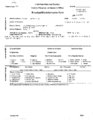
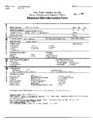
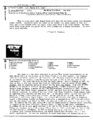
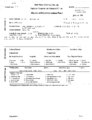
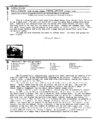
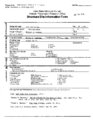
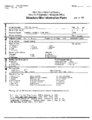
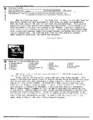
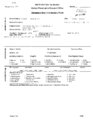
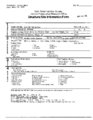
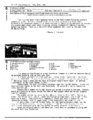
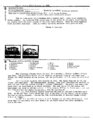
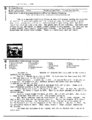
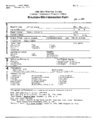
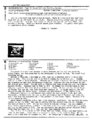
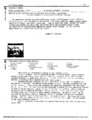
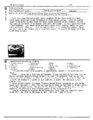
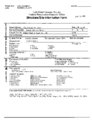
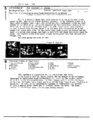
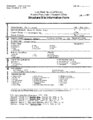
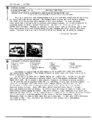
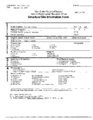
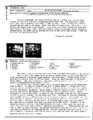
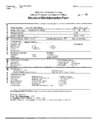
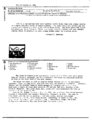
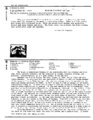
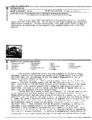
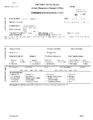
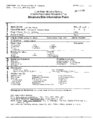
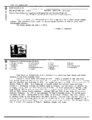
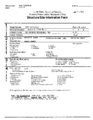
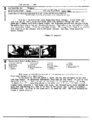
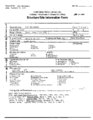
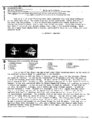
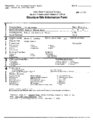
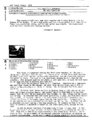
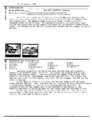
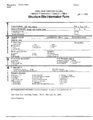
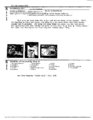
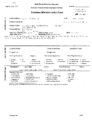
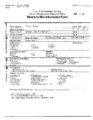
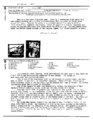
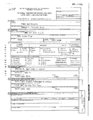
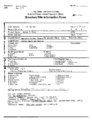
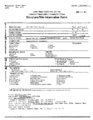
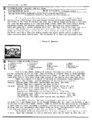
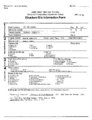
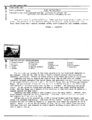
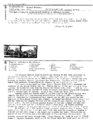
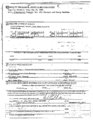
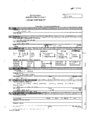
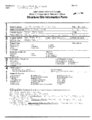
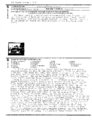
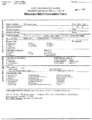
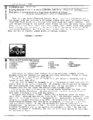
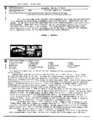
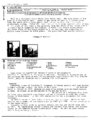
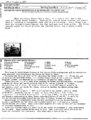
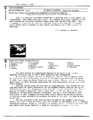
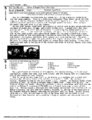
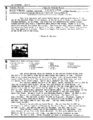
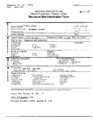
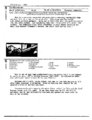
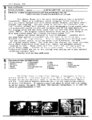
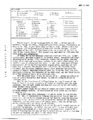
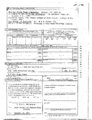
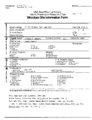
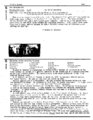
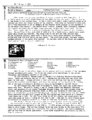
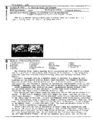
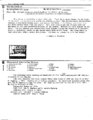
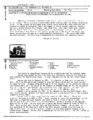
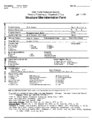
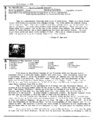
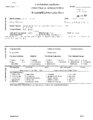
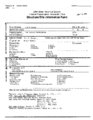
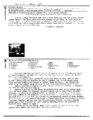
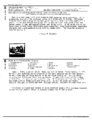
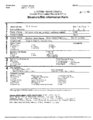
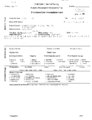
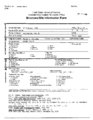
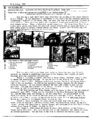
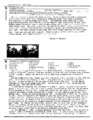
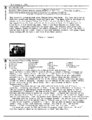
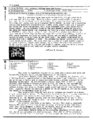
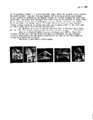
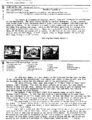
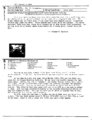
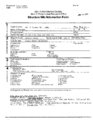
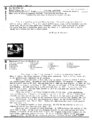
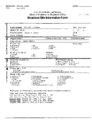
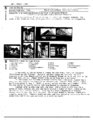
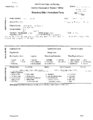
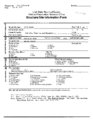
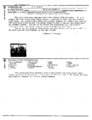
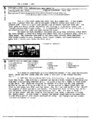
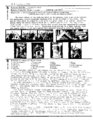
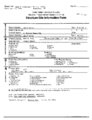
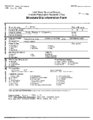
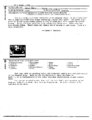
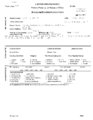
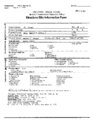
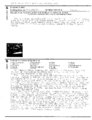
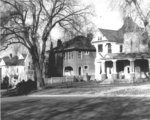
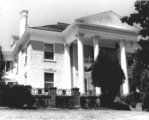
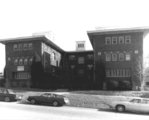
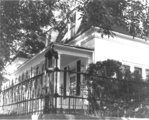
Show 607 2nd Ave. - 1906 ca. 5 Arch ' tect/ Builder: Building Materials: Alberto 0. Treganza brick Building Type/Style: Georgian Revival Description of physical appearance & significant architectural features: (Include additions, alterations, ancillary structures, and landscaping if applicable) The Ellis Mansion is Georgian Revival in style with an emphasis on horizontal lines popular in the early Twentieth-Century. The symetrical front (south) facade has two hip-roofed dormer windows flanking the slightly projecting central pediment. The pediment has a dentiled cornice, with mocillions, that continues under the eaves around the house. In the pediment is a small oval window, and below it is an elaborate arched 2nd floor fanlight window. The wide flanking second floor windows have flat arches with stone deys and a stone belt course separates the first and second floor. The first floor has blind oval-arched windows flanking a heavy portico. The portico has a second floor balustrade, cornice with modillionsj and wooden Doric Columns supplementing the square rusticated brick corner piers. This rustication echoes the quions at the corners of the yellow brick house. In front of the house is a low brick wall and a grand stairway. An iron fence surrounds the original Ellis estate. Major elements of the original interiors remain in the house. A major addition was constructed on the house in 1913. -Thomas W. Hanchett Statement of Historical Significance: O Aboriginal Americans D Agriculture Hr Architecture O The Arts a Commerce D n D D D Communication Conservation Education Exploration/Settlement Industry Q O D P Q Military Mining Minority Groups Political Recreation D n n a Religion Science Socio-Humanitarian Transportation The former A.C. Ellis, Jr. home is an imposing two story residence of mansion proportions believed to have been designed by Alberto 0. Treganza of the noted Salt Lake City architectural firm, Ware and Treganza. The home was built ca.1906 for A.C. Ellis, Jr., a highly educated attorney, U.S. District Court Judge in Utah and eventually United States Supreme Court Judge (1913). Ellis practiced law in association with Judge William H. Dickson until 1895 when his father, Colonel A.C. Ellis moved to Salt Lake City and joined the firm. The younger Ellis was President of the University Club in 1899 and belonged to numerous other clubs and organizations. As a lawyer, Ellis specialized in mining matters. He was involved with several business interests including the Silver King Coalition Mines, First National Bank, First Security Corporation, and Columbia Steel Company. The Ellis home is basically neo-Georgian Revival in style and has been recently known as the Alta Nursing Home. (see also 39 G Street). . |