| OCR Text |
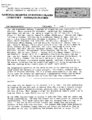
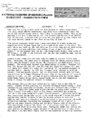
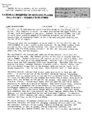
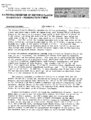
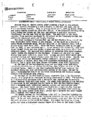
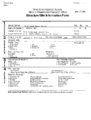
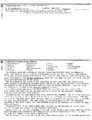
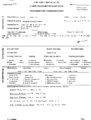
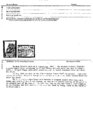
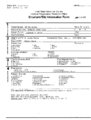
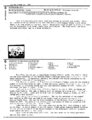
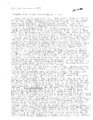
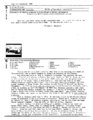
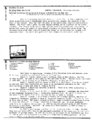
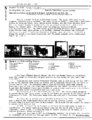
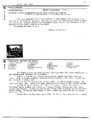
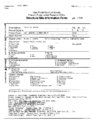
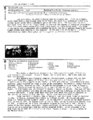
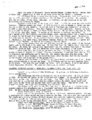
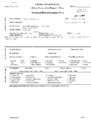
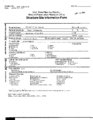
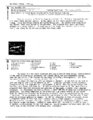
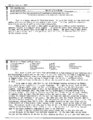
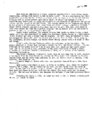
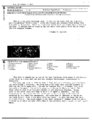
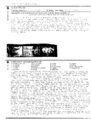
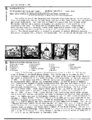
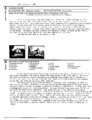
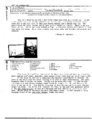
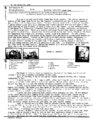
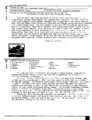
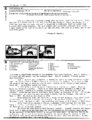
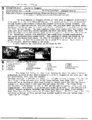
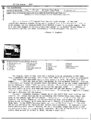
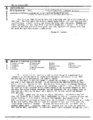
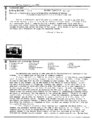
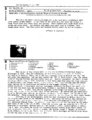
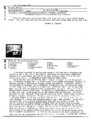
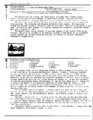
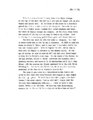
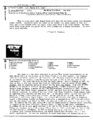
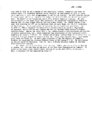
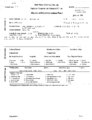
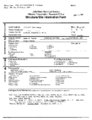
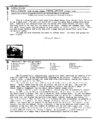
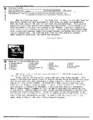
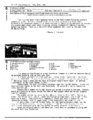
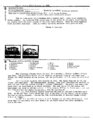
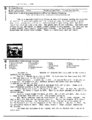
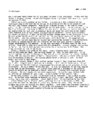
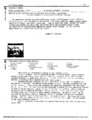
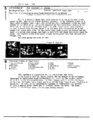
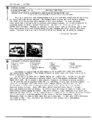
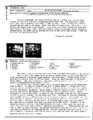
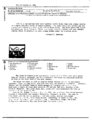
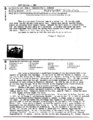
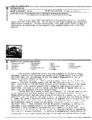
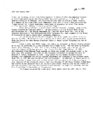
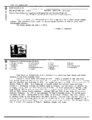
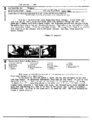
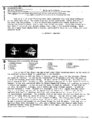
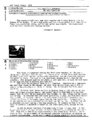
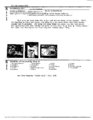
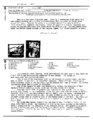
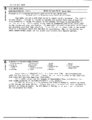
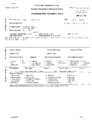
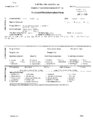
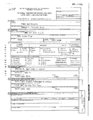
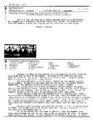
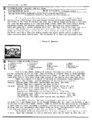
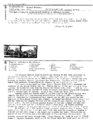
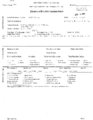
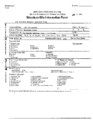
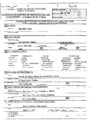
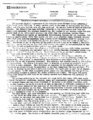
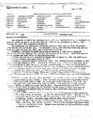
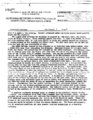
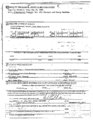
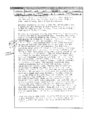
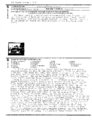
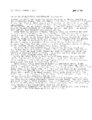
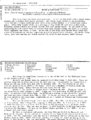
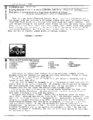
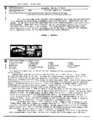
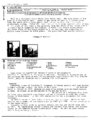
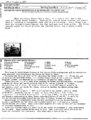
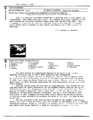
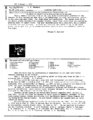
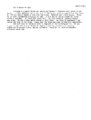
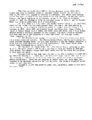
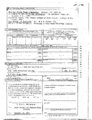
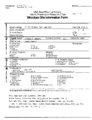
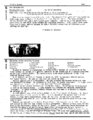
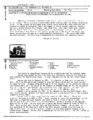
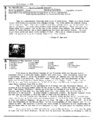
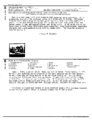
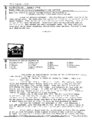
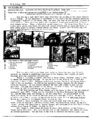
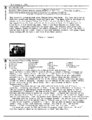
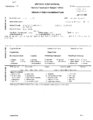
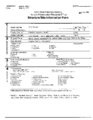
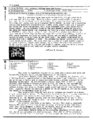
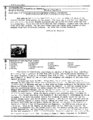
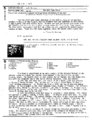
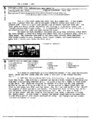
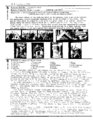
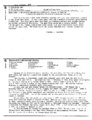
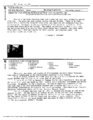
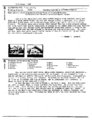
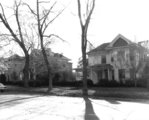
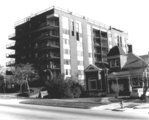
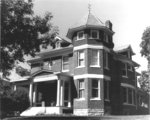
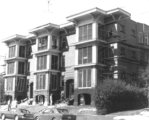
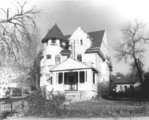
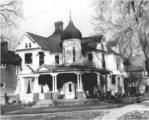
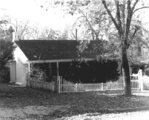
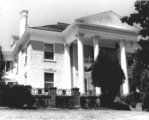
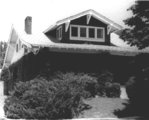
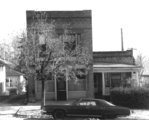
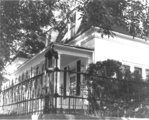
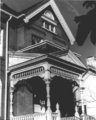
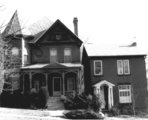
Show JAN 1 4 1980 Savage took photographs, and Ottinger, an artist, colored .them... After a trip to the East in 1866, Savage met Samuel R, Wells wn'o owned a store and who, sold many of Savage's and Ottinger''s works. After the partnership was dissolved, Ottinger continued selling paintings and Savage opened an Art Bazaar to sell his work. Savage became "the best known photographer between the Mis sissippi and the Pacific.'{I)He traveled throughout the West taking pictures of the landscape and the events of the area. He won numerous first prizes for his work at state and world fairs. He was the official photographer at the driving of the Golden Spike uniting the trans continental railroad in 1869 and .the photographer of the Western Railways. Savage was also active in the Mormon Church. He was a Captain in the Nauvoo Legion. He was a member of the Salt Lake Stake High Council and a member of the Tabernacle Choir. Savage founded the Old Folk's Day in Salt Lake. He died in February 3,1909. Savage's photographs have become quite prized sj.nce his shop burned down in 1883 destroying most of his negatives. (1) Madeleine B. Stern, "A Rocky Mountain Bookstore; Savage and Ottinger of Utah," BYU Studies, vol. 9, no. 2 (Winter 1969),p. C.R. Savage's daughter, Luacine Annette Savage, married J. Rueben Clark.. Clark was born in Grantsville, Utah September 1,1871. He studied law at Columbia University and after his graduation was appointed assistant solicitor for the United States State Department. He later opened private offices in Washington D.C. Clark continued to serve in the U.S. Government. He was a legal advisor to Dwight W. Morrow when he was ambassador of Mexico, Undersecretary of State and Ambassador to Mexico. After resigning as ambassador to Mexico, Clark started on a new career in the LDS Church. In 1933 he became the second counselor to the First Presidency. Heber J. Grant was President of the Church at that time. In 193^ he became the first counselor to President Grant. Clark remained t a member of the First Presidency until his death in 1961. Clark'bought this house when he was Working in Washington as a summer home for his family. He wanted them to have the opportunity to come to Utah when the children were not in school to have the full benefits of the Church programs. He later bought several houses |