| OCR Text |
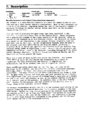
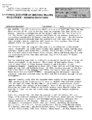
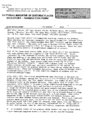
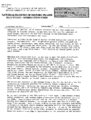
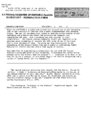
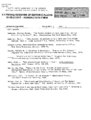
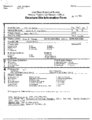
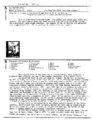
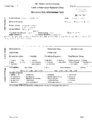
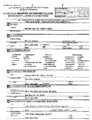
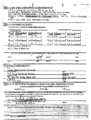
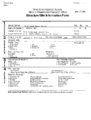
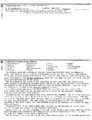
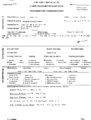
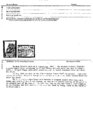
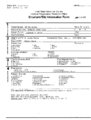
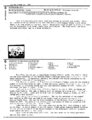
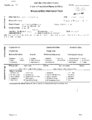
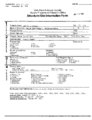
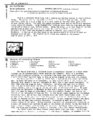
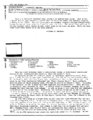
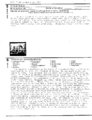
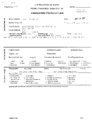
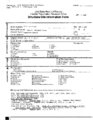
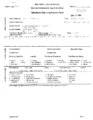
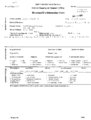
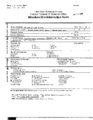
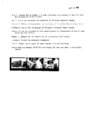
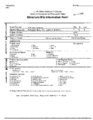
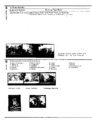
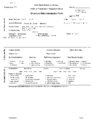
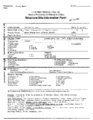
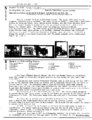
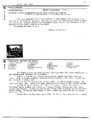
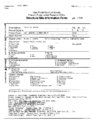
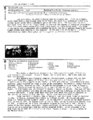
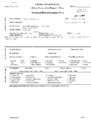
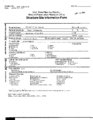
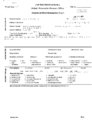
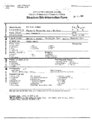
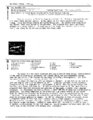
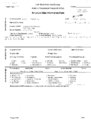
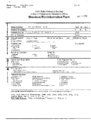
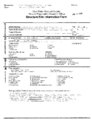
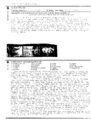
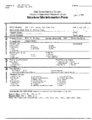
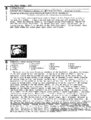
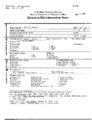
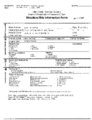
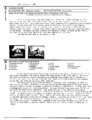
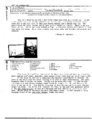
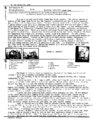
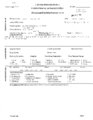
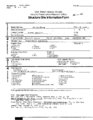
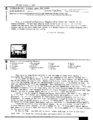
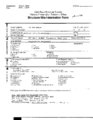
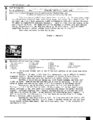
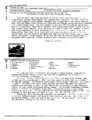
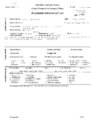
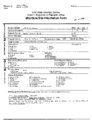
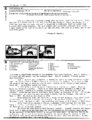
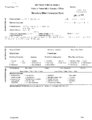
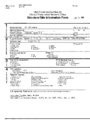
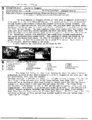
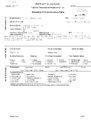
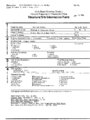
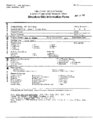
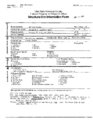
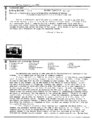
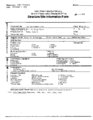
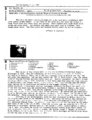
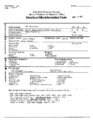
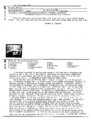
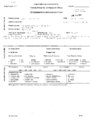
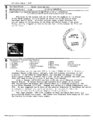
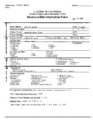
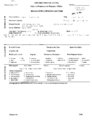
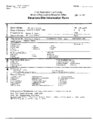
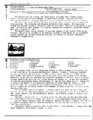
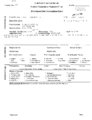
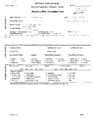
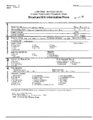
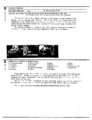
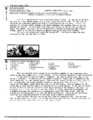
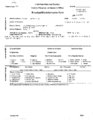
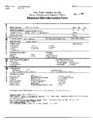
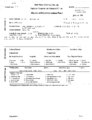
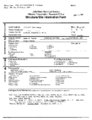
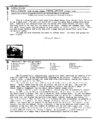
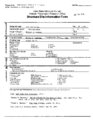
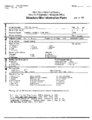
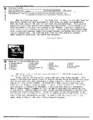
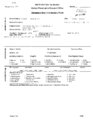
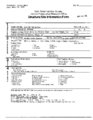
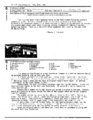
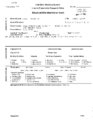
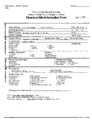
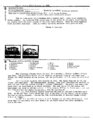
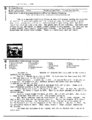
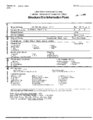
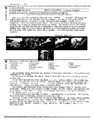
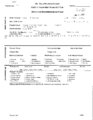
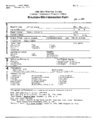
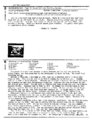
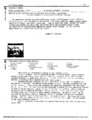
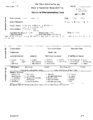
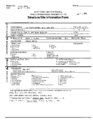
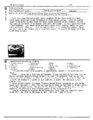
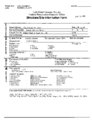
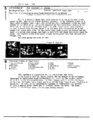
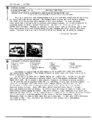
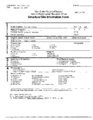
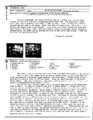
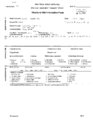
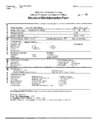
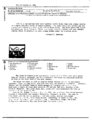
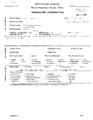
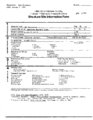
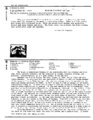
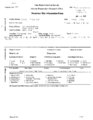
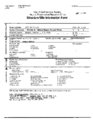
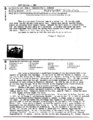
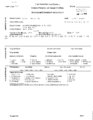
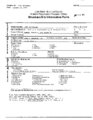
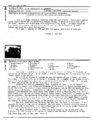
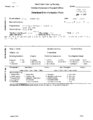
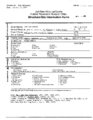
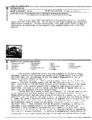
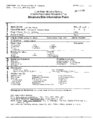
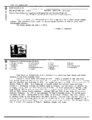
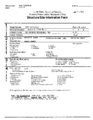
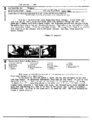
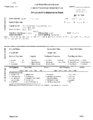
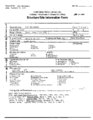
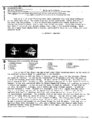
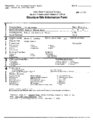
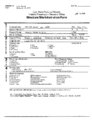
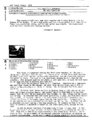
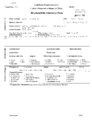
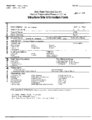
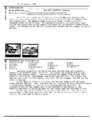
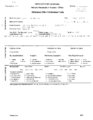
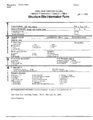
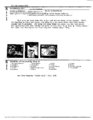
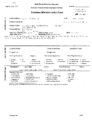
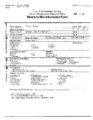
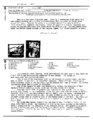
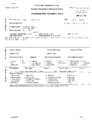
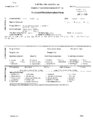
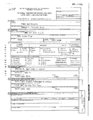
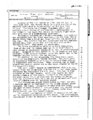
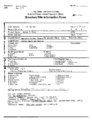
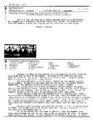
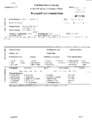
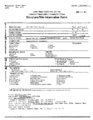
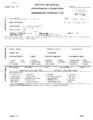
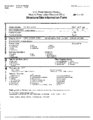
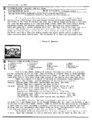
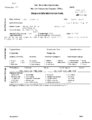
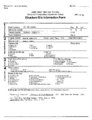
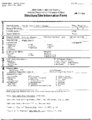
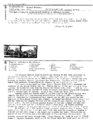
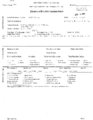
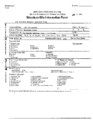
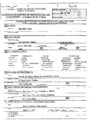
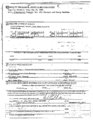
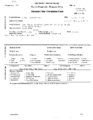
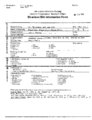
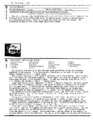
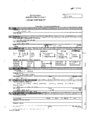
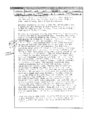
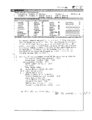
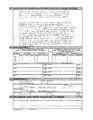
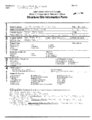
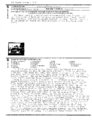
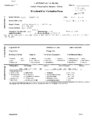
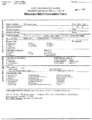
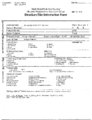
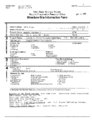
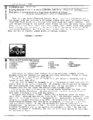
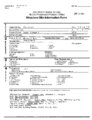
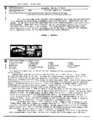
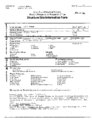
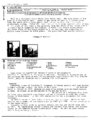
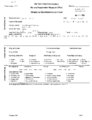
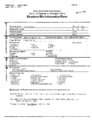
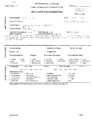
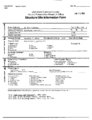
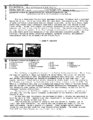
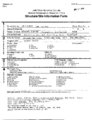
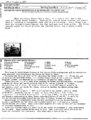
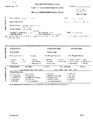
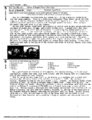
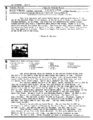
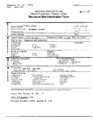
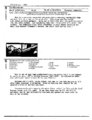
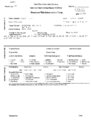
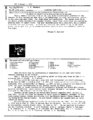
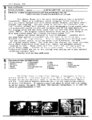
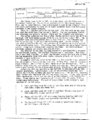
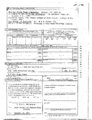
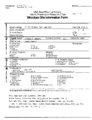
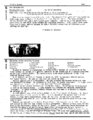
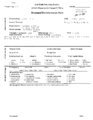
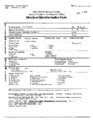
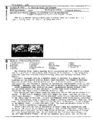
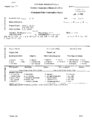
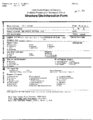
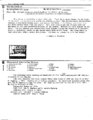
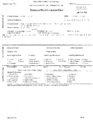
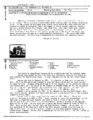
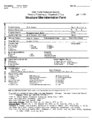
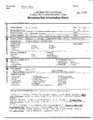
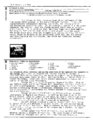
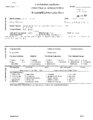
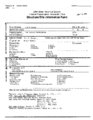
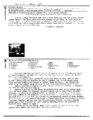
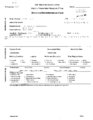
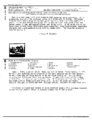
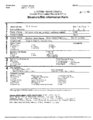
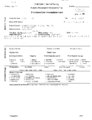
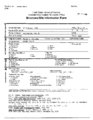
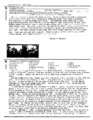
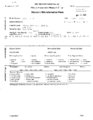
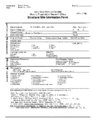
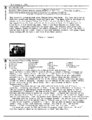
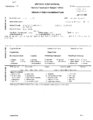
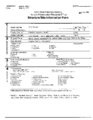
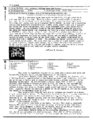
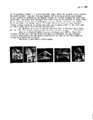
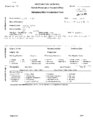
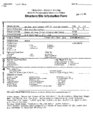
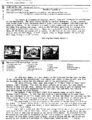
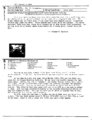
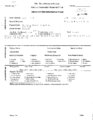
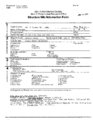
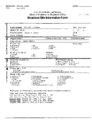
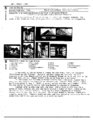
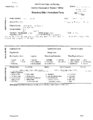
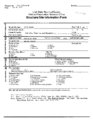
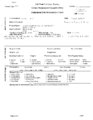
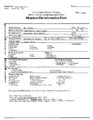
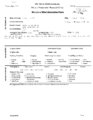
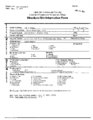
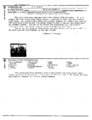
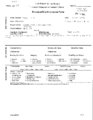
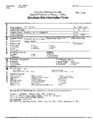
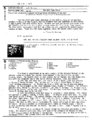
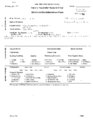
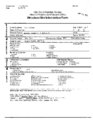
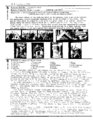
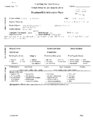
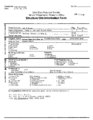
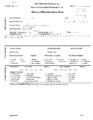
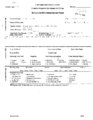
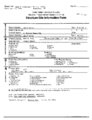
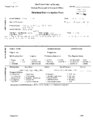
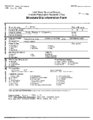
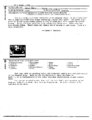
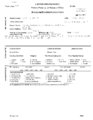
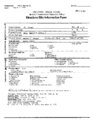
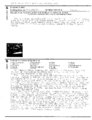
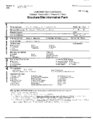
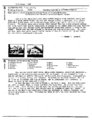
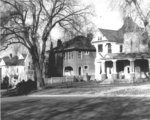
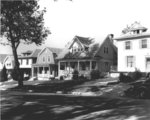
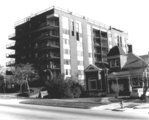
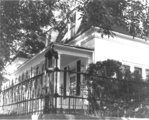
Show 385-389 Fifth Avenue Architect/Builder: Building Materials: wood Building Type/Style: vernacular Description of physical appearance & significant architectural features: (Include additions, alterations, ancillary structures, and landscaping if applicable) This is a two-story "I" type house with Georgian details. It is five bays wide with internal end chimneys and ship-lap siding. The two-over-two light double-hung windows have wide simple trim. The front door has Georgian sidelights and fanlight with a wrought iron screen covering the door. The small porch is elegantly detailed with pedi ment, dentil molding, fluted pilasters, and fluted Ionic Columns. There is a wrought iron hanging porch lamp. The interior is trimmed in elaborate Georgian woodwork including carved urns above the door. The house initially appeared from the street much as it does today, but lacking a porch and plastered outside, as 379 is today. Dubsequent additions have extended the house from the rear. By 1898 the initial house had acquired a one-story additions spanning the rear of the house. By 1911 a narrow, one-story porch ran across the front from mid way between the fourth and fifth bays. A shallow porch spanned the rear of the house. By 1930 the porch had been raised to two-stories and the one-story addition in the rear also made two-stories. Between 1950 and 1958 a one and a half-story garage with apart ment above was added to the northwest corner, bringing the house to its present configur ation. The broad, two-story front porch was apparently replaced in the 1930's with the present porch as part of an extensive remodeling of the house in the Georgian Style. 6 cc O Statement of Historical Significance: Q Aboriginal Americans O Agriculture ^Architecture D The Arts Cr'Commerce D a D D d Communication Conservation Education Exploration/Settlement Industry D Military a Mining a Minority Groups D Political [^Recreation D Relic a Sciei GJ^Socii )-Humanitarian a Tran This house is significant because of its architectural style. It is a vernacular building with Georgian detailing. This house was built in about 1874 by Edwin D, Woolley, an early Mormon bishop, for his daughter, Rachel Emma Woolley Simmons. Edwin also built the house at 379 fifth avenue, next door for his daughter, Henrietta. Rachel and Henrietta were both married to Joseph M. Simmons. ^ Rachel Emma Woolley Simmons was born August 7,1836 in East Rochester, Ohio to Edwin D. and Mary Wickershan Woolley. The family moved to Nauvoo and came to Utah in 1848. On December 18,1851, Rachel married Joseph Marce;;es Simmons. Simmons was botn September 3,1824 in Cheshire, Mass, to Joseph and Mary Lucy Beals. In 1850 Joseph started for the gold fields in California. He stopped in Salt Lake and was impressed with the Mormon people. He was baptized on August 10,1851 and after his baptism he boarded with and worked for Bishop Woolley. Joseph later worked as a bookkeeper for Brigaham Young. He was involved in dramatic companies in Salt Lake. Joseph also married Rachel's sister, Henrietta in July, 1858. After Joseph died Feb. 14,1872, Rachel and Henrietta continued to live in the same house until their father built these homes. Rachel took a course in obstetrics from Dr. Mary Barker in 1874 and she practiced medicine and obstetrics. Rachel died in 1926. Rachel's son, Joseph F. Simmons also lived in the house for a while. He worked as a clerk and as a member of Stayner and Simmons Real Estate Company. He was also an attorney, and an assistant recorder of the LDS Salt Lake Temple. Simmons was a member of the Twentieth Ward Bishopric for eighteen years and a stake and ward clerk in the Forest Dale Area. He helped organize the Twentieth Ward Institute, a young peoples debating society. He died in 1925. He was survived by his mother Rachel Woolley Simmons, wife Alice Eliza Dye Simmonsand two daughters, Mrs. E.R. Callister and Mts. Ivor J. Chiyg. |