| OCR Text |
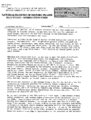
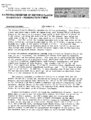
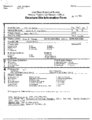
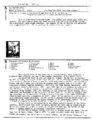
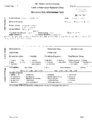
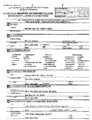
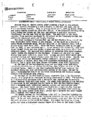
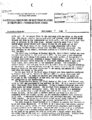
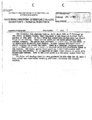
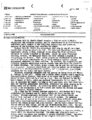
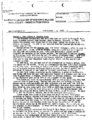
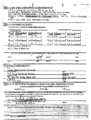
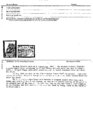
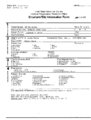
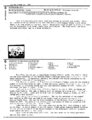
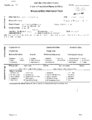
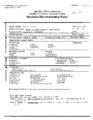
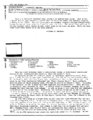
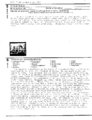
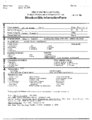
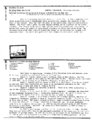
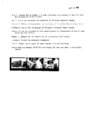
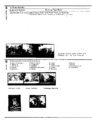
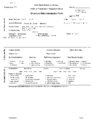
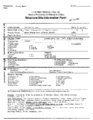
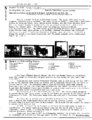
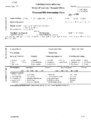
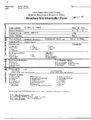
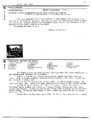
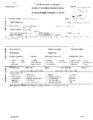
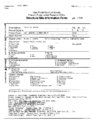
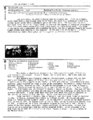
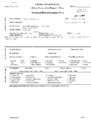
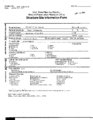
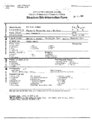
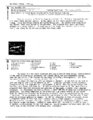
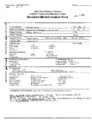
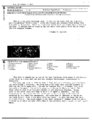
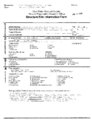
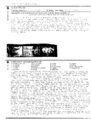
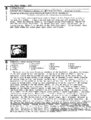
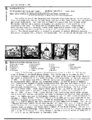
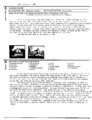
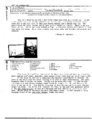
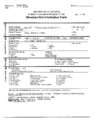
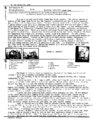
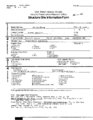
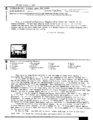
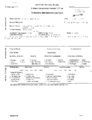
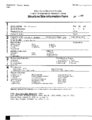
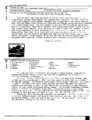
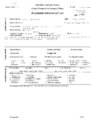
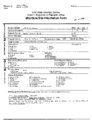
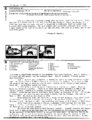
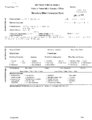
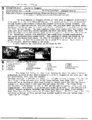
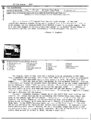
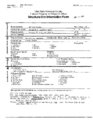
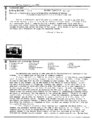
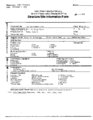
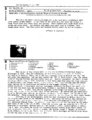
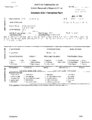
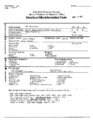
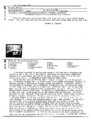
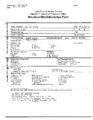
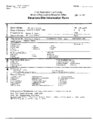
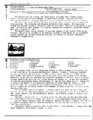
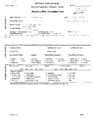
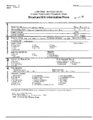
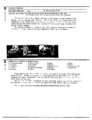
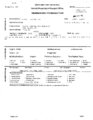
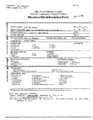
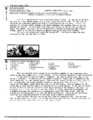
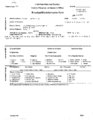
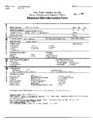
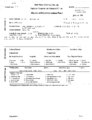
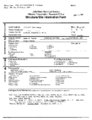
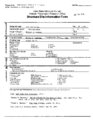
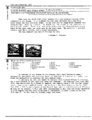
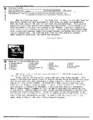
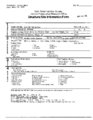
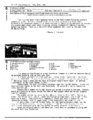
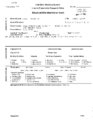
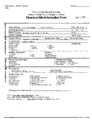
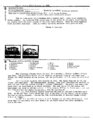
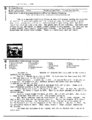
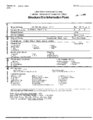
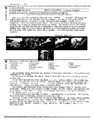
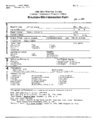
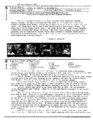
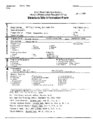
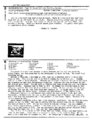
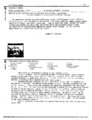
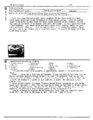
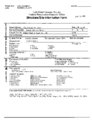
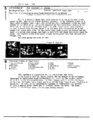
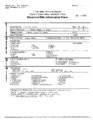
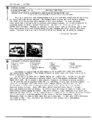
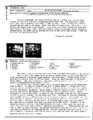
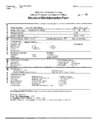
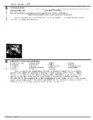
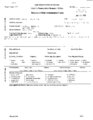
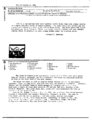
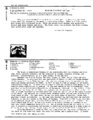
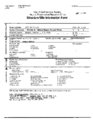
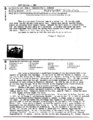
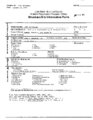
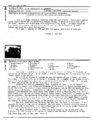
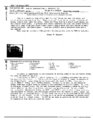
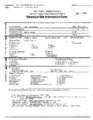
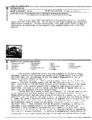
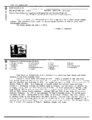
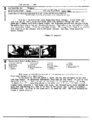
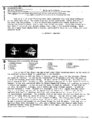
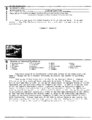
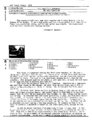
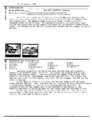
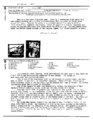
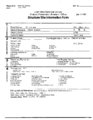
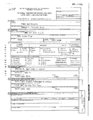
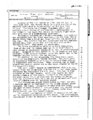
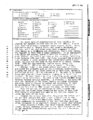
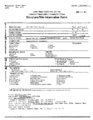
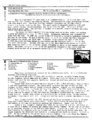
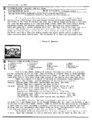
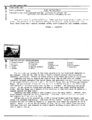
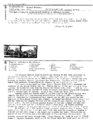
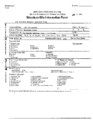
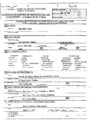
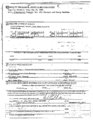
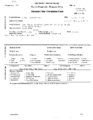
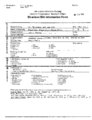
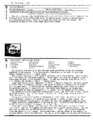
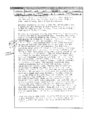
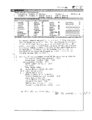
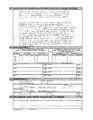
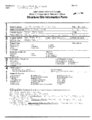
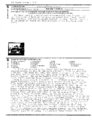
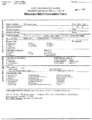
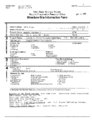
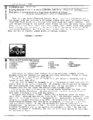
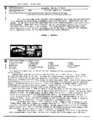
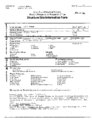
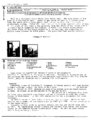
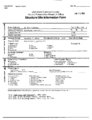
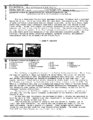
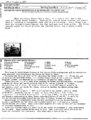
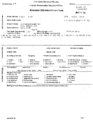
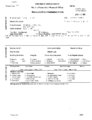
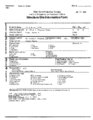
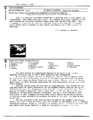
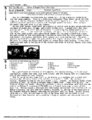
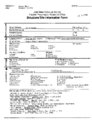
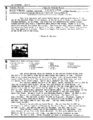
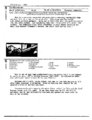
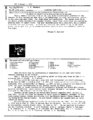
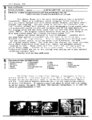
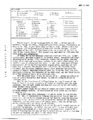
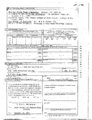
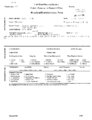
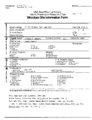
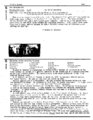
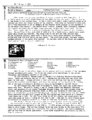
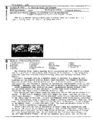
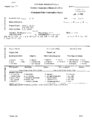
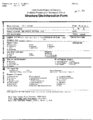
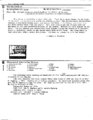
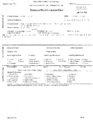
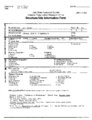
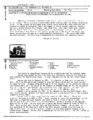
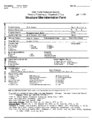
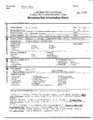
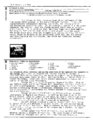
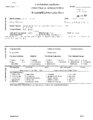
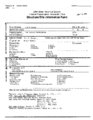
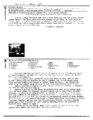
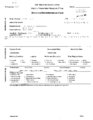
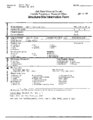
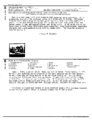
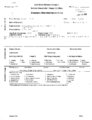
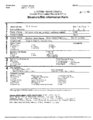
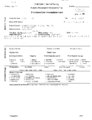
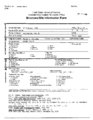
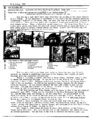
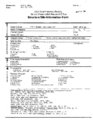
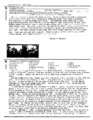
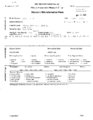
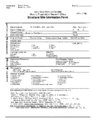
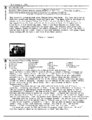
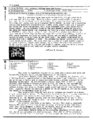
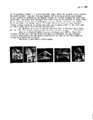
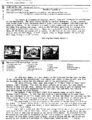
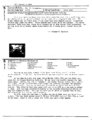
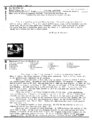
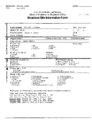
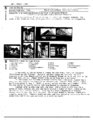
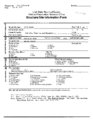
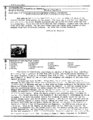
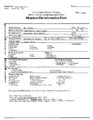
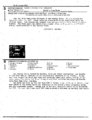
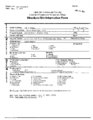
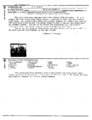
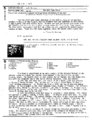
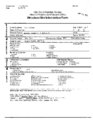
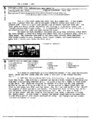
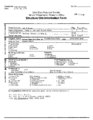
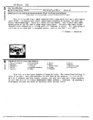
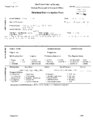
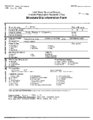
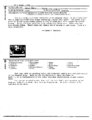
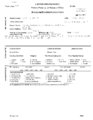
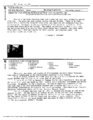
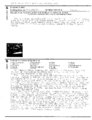
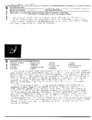
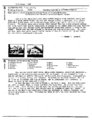
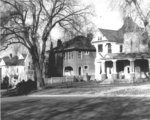
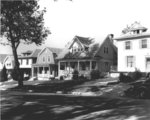
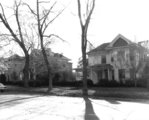
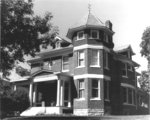
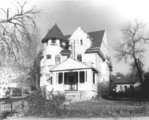
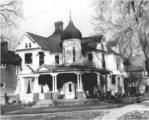
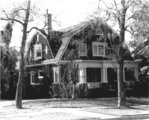
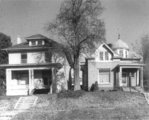
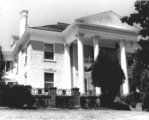
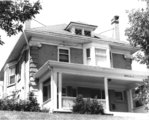
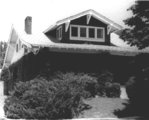
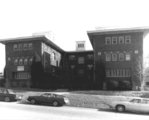
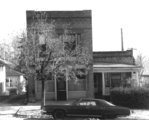
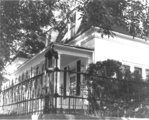
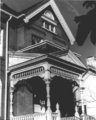
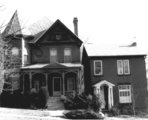
Show 77 E Street - 1910 Architect/Builder: Cannon & Fetzer u 2 Building Materials:Grid/stucco/^timberingBuilding Type/Style: VftT.nflmi1flT,________ Description of physical appearance & significant architectural features: Q < Please see attached photograph. This two-story gable roofed house is in the Tudor Revival style. The broad eaves have exposed rafter ends and are supported by large paired brackets. Gable end decoration is wood and stucco half timbering. There are two second floor front bay windows. Second story walls are stuccoed with brick on the first story. Most windows have small rectangular panes. The large first floor front porch has an ornate balustrade, exposed rafter ends, and heavy "battered" columns on a brick railing wall. [jj (Include additions, alterations, ancillary structures, and landscaping if applicable) --Hanchett 6 > oc o W X Statement of Historical Significance: D D D Q D Aboriginal Americans Agriculture Architecture The Arts • Commerce D D fi D d Communication Conservation Education Exploration/Settlement Industry D D D D a Military Mining Minority Groups Political Recreation D Q D O Religion Science Socio-Humanitarian Transportation This house in contributory because of the architectural style, (see above). It was built in 1910. Martha T. Cannon, a widow of George Q, Cannon, owned and lived in this home. Cannon was born in 18^6 in St. Louis. Her parents, Lewis Telle and Armelia Rogers Telle, died when she was young and she was raised by her aunt, Mrs. George Beeke. When the family joined the LDS Church she came to Utah with them. She returned to Iowa with the family and attended college. In 1866 she went to Utah without her family and she taught school until her marriage to President George A. Cannon in 1868. She was the 4th of his six wives. Martha lived in this house until 1917. Her son, Lewis Telle Cannon, an architect, then lived here for one year. Martha moved to 313 3rd where she continued to live until her death in 1928.(This was the home of her daughter Grace who had married C. Clarence Neslen, then mayor of Salt Lake City, and the grandson of Samuel Neslen who lived at 72 E.) The house was then maintained as rental. The house was converted into apartments in 1925. Issac Bernstein, a Salt Lake sportsman, lived here from 1929 to 1932. He was born in Lanale, Kansas on June 28, 1872 and he had lived in Salt Lake City twenty-two years before he died in 1932. In the 1930's J. Rueben Clark Jr., an ambassador to Mexico City and member of the LDS First Presidency, bought a number of houses on this block for his family. He bought this house for his daughter Marianne Clark Sharp and her husband Ivor Sharp. The Sharps lived here two years and then bought the house through the block, 66 D Street |