| OCR Text |
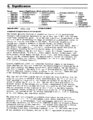
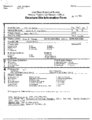
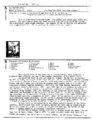
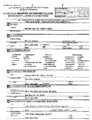
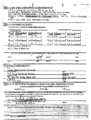
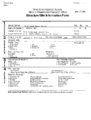
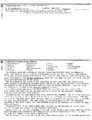
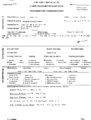
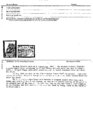
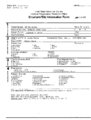
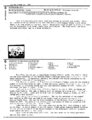
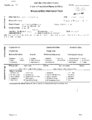
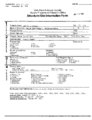
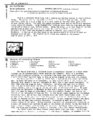
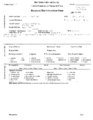
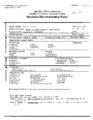
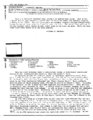
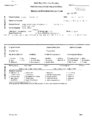
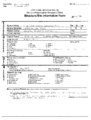
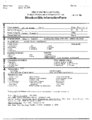
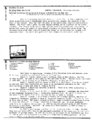
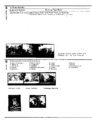
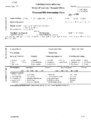
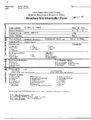
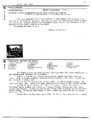
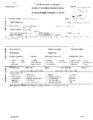
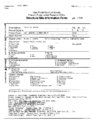
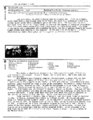
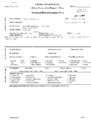
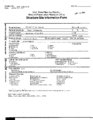
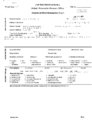
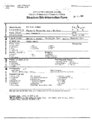
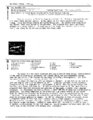
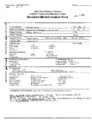
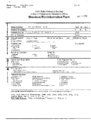
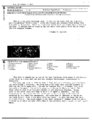
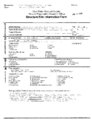
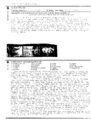
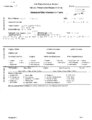
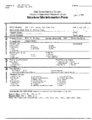
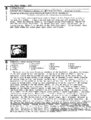
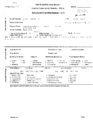
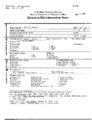
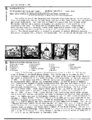
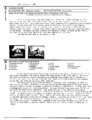
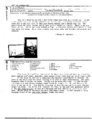
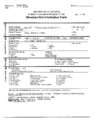
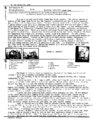
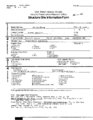
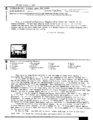
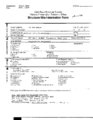
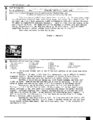
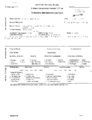
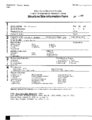
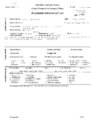
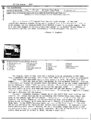
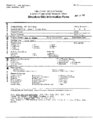
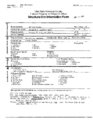
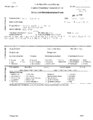
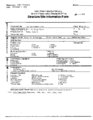
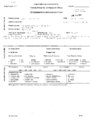
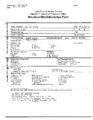
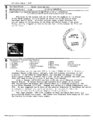
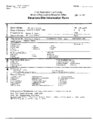
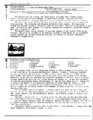
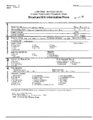
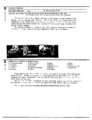
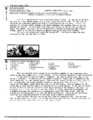
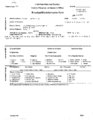
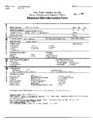
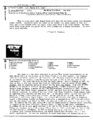
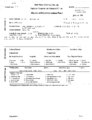
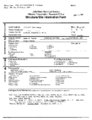
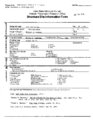
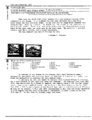
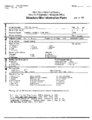
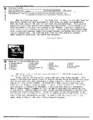
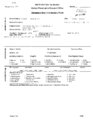
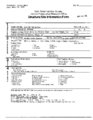
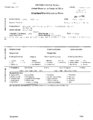
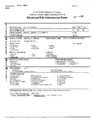
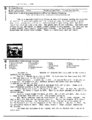
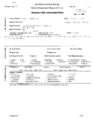
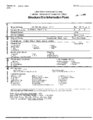
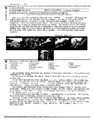
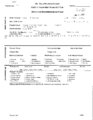
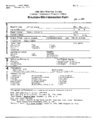
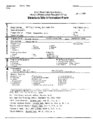
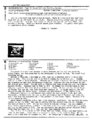
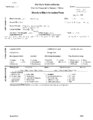
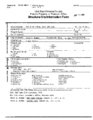
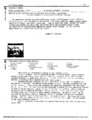
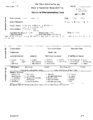
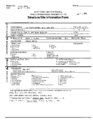
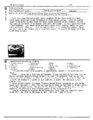
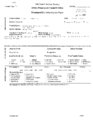
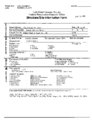
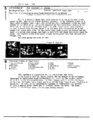
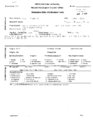
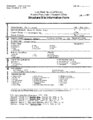
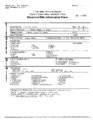
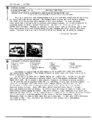
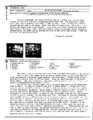
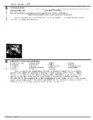
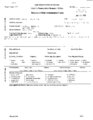
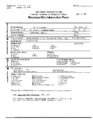
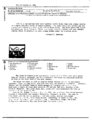
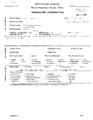
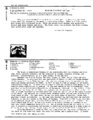
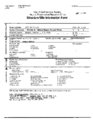
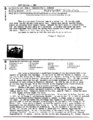
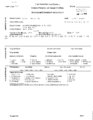
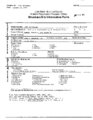
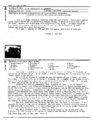
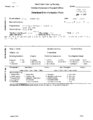
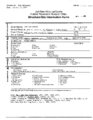
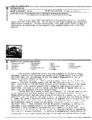
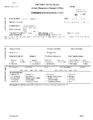
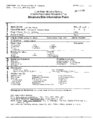
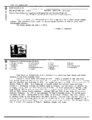
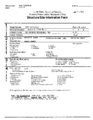
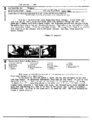
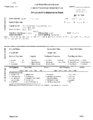
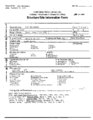
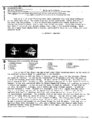
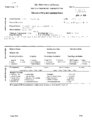
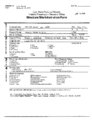
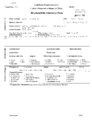
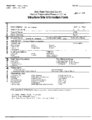
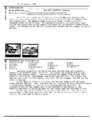
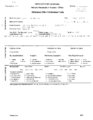
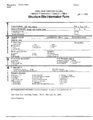
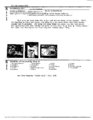
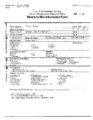
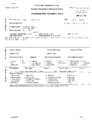
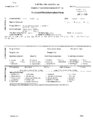
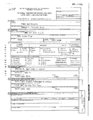
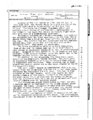
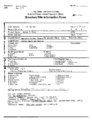
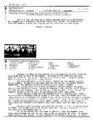
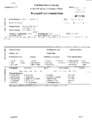
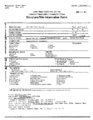
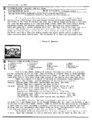
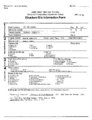
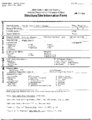
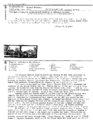
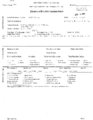
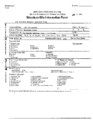
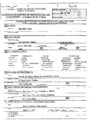
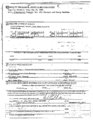
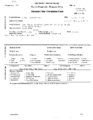
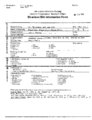
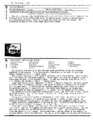
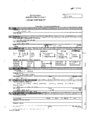
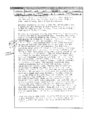
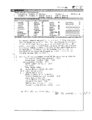
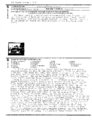
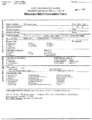
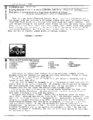
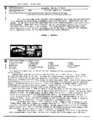
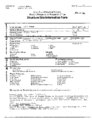
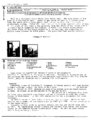
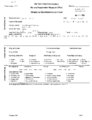
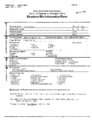
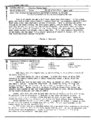
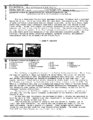
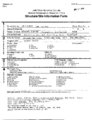
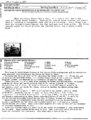
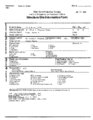
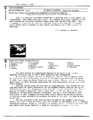
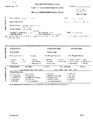
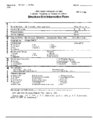
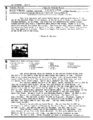
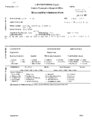
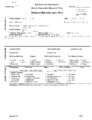
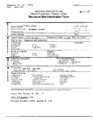
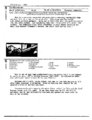
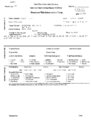
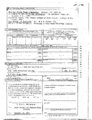
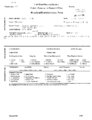
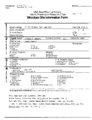
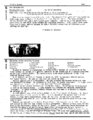
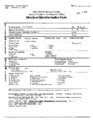
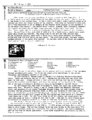
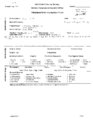
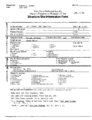
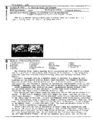
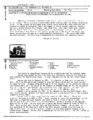
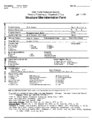
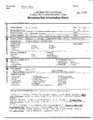
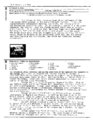
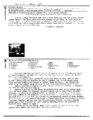
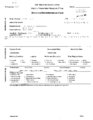
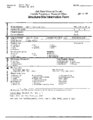
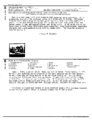
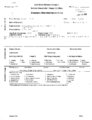
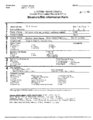
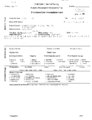
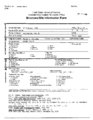
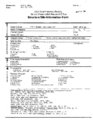
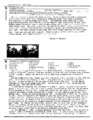
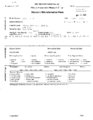
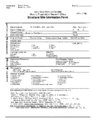
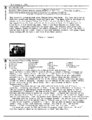
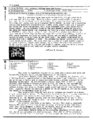
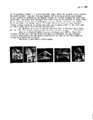
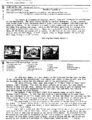
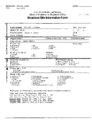
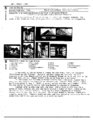
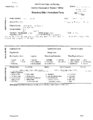
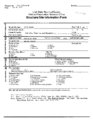
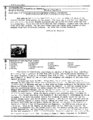
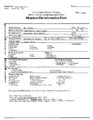
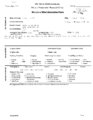
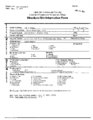
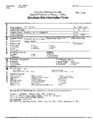
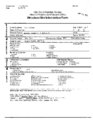
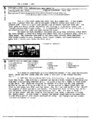
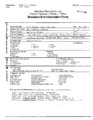
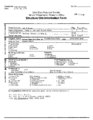
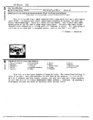
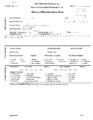
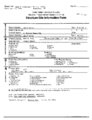
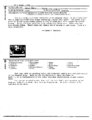
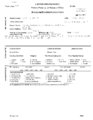
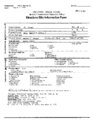
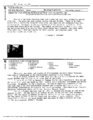
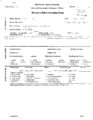
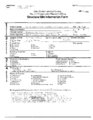
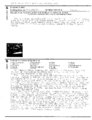
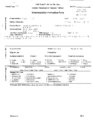
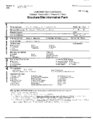
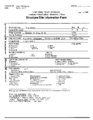
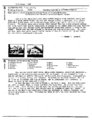
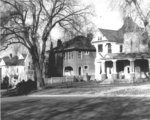
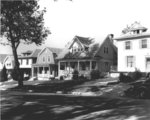
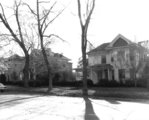
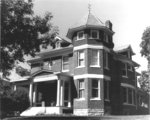
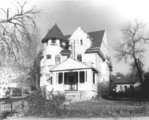
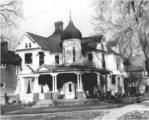
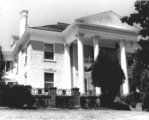
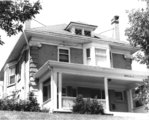
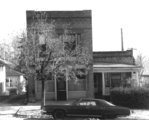
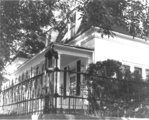
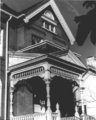
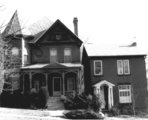
Show 1010 3rd Avenue-1898 5 Arcnitect/Builder: J. M. Anderson/J. G, Anderspn Building Type/Style: Victorian eclectic Building Materials: brick Description of physical appearance & significant architectural features: (Include additions, alterations, ancillary structures, and landscaping if applicable) ; This is a larger two-story Victorian home with gable roofs. Gables have paneled curved fascia boards and patterned wood shingle siding. A dentiled cornice runs under the eaves. Windows are double-hung with rough-faced stone sills. The small one-story front porch has a pedimented gable with dentil molding. It is supported by Doric Columns and posts on a brick railing wall. This home is similar to 1006 and 1014 3rd Avenue, also built by Anderson. --Thomas W. Hanchett Statement of Historical Significance: D D D D D Aboriginal Americans Agriculture Architecture The Arts Commerce D D a a n Communication Conservation Education Exploration/Settlement Industry D a D D D Military Mining Minority Groups Political Recreation D D D D Religion Science Socio-Humanitarian Transportation The house is significant because of its association with George F. Richards, an apostle of the Mormon Church. It was built by John G. Anderson, Fr., a contractor who built several homes in the Avenues. He sold it to William H. Needham who was the manager of ZCMI's Retail Dry Goods Department. In 1906 he sold it to George F. Richards, Sr., a member of the Mormon Church's Council of Twelve Apostles. He lived in the house until his death in 1950. For the next ten years the owner was one of his sons, Ray L. Richards. Richards was born in Farmington, Utah, February 23, 1861, a son of Franklin D. and Nancy L. Richards. His father was President of the Council of Twelve Apostles and Church Historian. He attended common school in Farmington, and in 1881 was graduated from the University of Deseret, predecessor of the University of Utah. On March 9r , 1882, he married Alice Robinson, and three years later bought a farm in Fielding, Box Elder County. After three years, he and his family moved to Tooele County, Utah, where he engaged in farm ing and business. He represented that county in the state legislature in 1899 and 1900. He was living in Tooele County when called to be an apostle in the Mormon Church in April, 1906, and shortly moved to Salt Lake City. At the time of his death, he was president of the Council of Twelve and the oldest of the general authorities of the LDS Church. His wife, Alice Robinson Richards, was born May 11, 1864, in Farmington, Utah, daughter of Oliver L. and Lucy M. Robinson. She gave birth to fifteen children, thirteen of whom survived to adulthood. Like her husband, she was active in the Mormon Church and served as a Temple Matron during the 1920's and 1930 f s. Fohlowing Richard's death in 1950, the house passed to one of his sons, Ray L. Richards. In 1960 he sold it to Sherill W. Neville, who was chief statistician of the Utah State Department of Employment Security. |