| OCR Text |
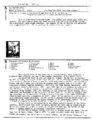
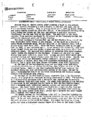
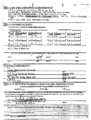
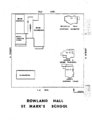
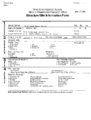
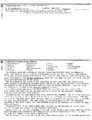
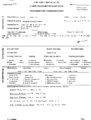
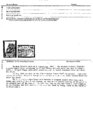
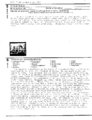
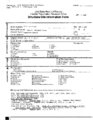
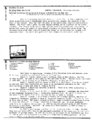
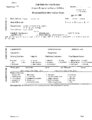
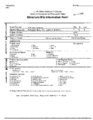
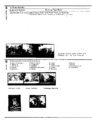
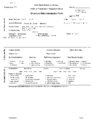
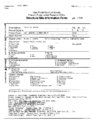
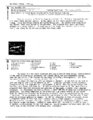
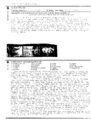
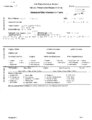
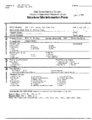
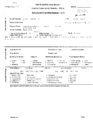
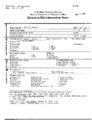
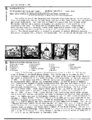
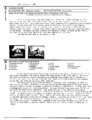
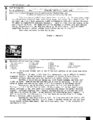
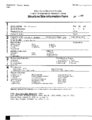
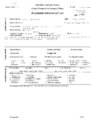
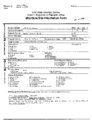
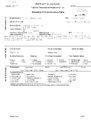
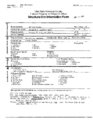
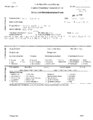
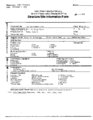
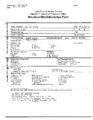
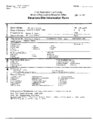
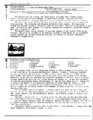
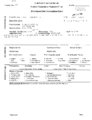
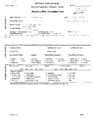
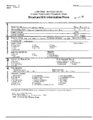
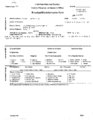
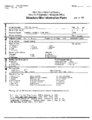
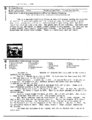
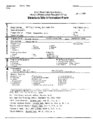
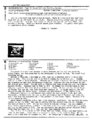
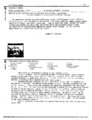
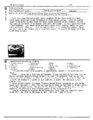
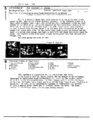
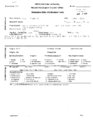
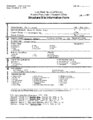
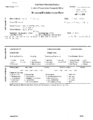
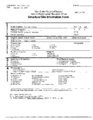
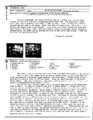
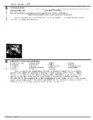
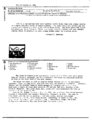
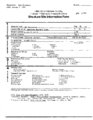
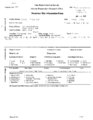
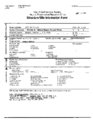
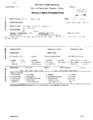
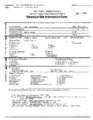
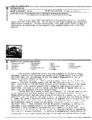
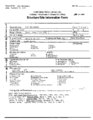
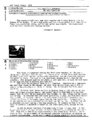
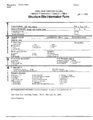
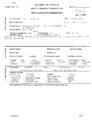
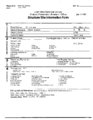
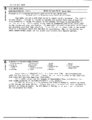
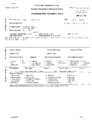
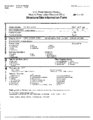
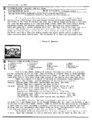
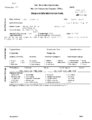
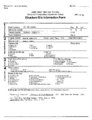
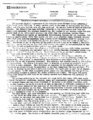
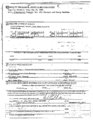
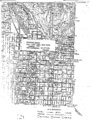
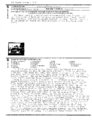
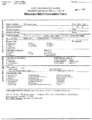
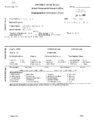
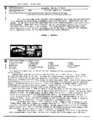
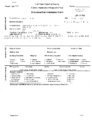
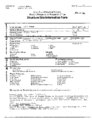
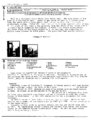
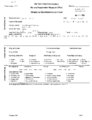
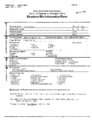
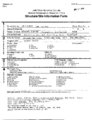
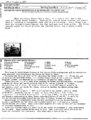
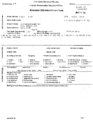
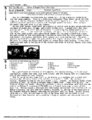
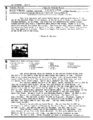
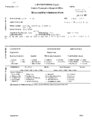
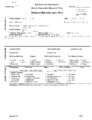
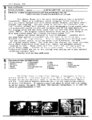
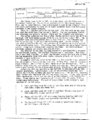
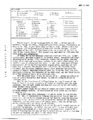
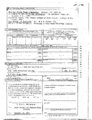
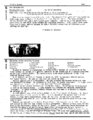
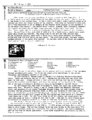
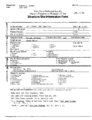
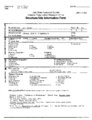
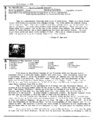
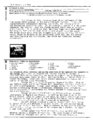
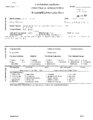
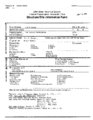
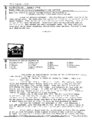
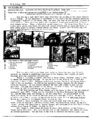
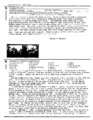
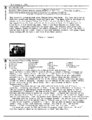
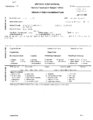
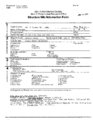
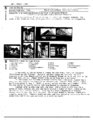
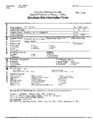
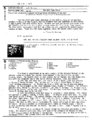
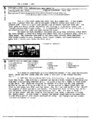
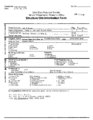
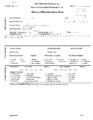
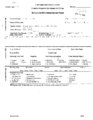
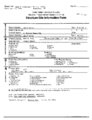
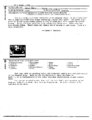
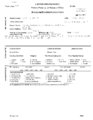
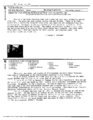
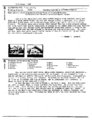
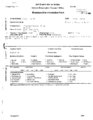
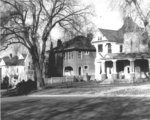
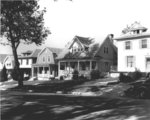
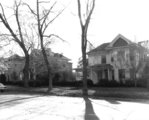
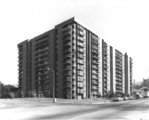
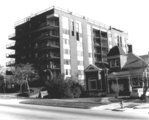
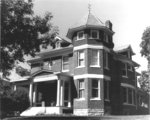
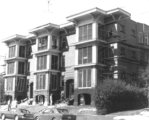
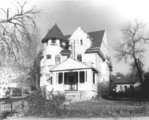
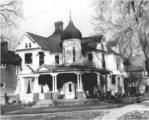
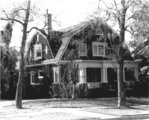
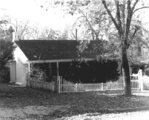
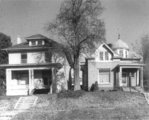
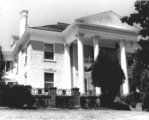
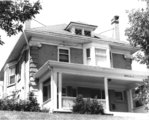
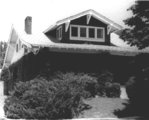
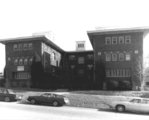
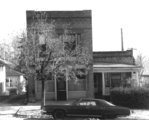
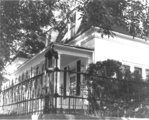
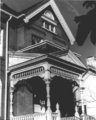
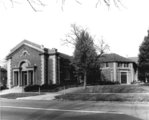
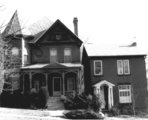
Show 7. Description Condition excellent X good ---- fair 4 ;,; jl.;\./',^: --v. ~-: - if «rf H J* I**-, m V*f f deteriorated ruins Check one unaltered X altered Check one JK_ original site moved d^ite unexposed Describe the present and original (if known) physical appearance The Avenues is a large historic district of almost 100 square blocks of late 19th and early 20th century domestic architecture. Most of the structures are 1 1/2 to 2 1/2 stories. Beginning around the turn of the century a number of apartment buildings in various revival styles were built in the southwest corner of the district. Over one hundred architect-designed homes have been identified in the district, in styles from Queen Anne to the Prairie Style. These structures are a significant element of the visual character of the district, which is unusual in its integration of architectural styles. The diversity of styles is a result of the subdivision of the original blocks, originally laid out with four lots to the block. As the neighborhood changed, more and more of the original lots were subdivided by the original owners, producing a diversity which is one of the important characteristics of the district (see enclosed survey forms on significant sites). Several significant public and commercial buildings remain in,the district, including Rowland Hall-St. Marks School (National Register), the Danish Evangelical Lutheran Church, and the Twentieth and Twenty-seventh LDS Wards. There are a total of forty-three O f these significant for both architecture, and 29 about 2,23'8v sites within the district. One hundred are significant and categorized as follows: 48 : architecture and history; 57 significant for for history (see list of significant sites). There are3^ intrusions which make up less than six per cent of the buildings in the district, and are primarily recently constructed apartment buildings, with a few large, new commercial structures (see list of intrusions). The exact boundaries and their justification are found in Item 10. Brigham Young's Grave, 140 First Ave, has been included in the district as a significant site, both because of Brigham Young 1 s importance as a Mormon and political leader and pioneer, as well as the general feeling of the grave as an integral part of the Avenues. In addition, this is the only "family plot" cemetery in the Avenues, and this portion of the area was owned by Young, close to his residence on South Temple. The Avenues neighborhood of Salt Lake City is the northern-most section of the crescent formed by the Wasatch Mountains on the eastern boundary of the Salt Lake Valley. Unlike the long eastern section of the crescent which flattens out partway up the slope to form the "East Bench," the Avenues is relatively steep all the way to the crest of the foothills. The difficulty of getting water to this slope delayed the settlement of the greater part of the area until almost the end of the nineteenth century. |