| OCR Text |
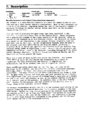
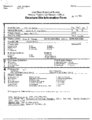
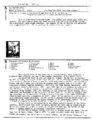
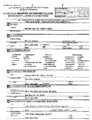
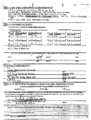
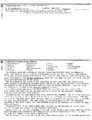
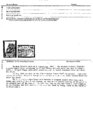
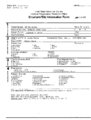
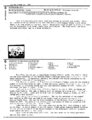
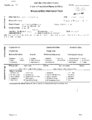
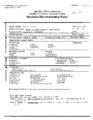
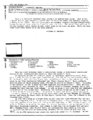
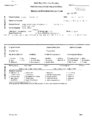
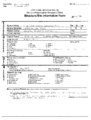
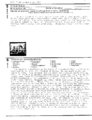
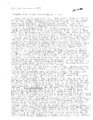
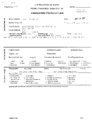
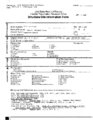
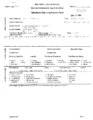
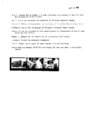
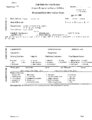
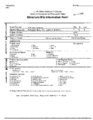
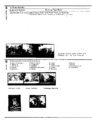
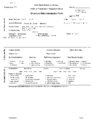
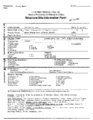
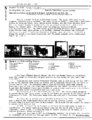
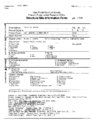
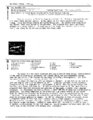
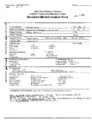
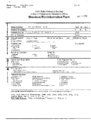
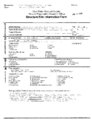
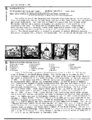
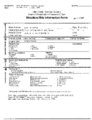
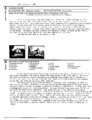
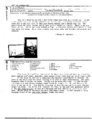
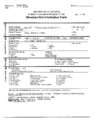
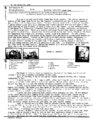
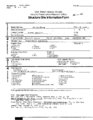
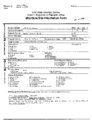
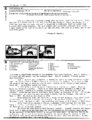
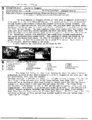
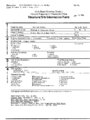
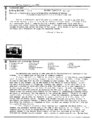
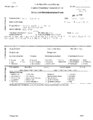
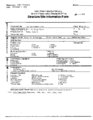
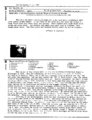
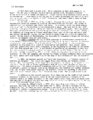
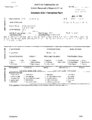
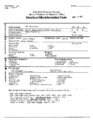
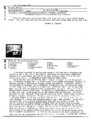
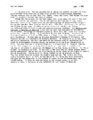
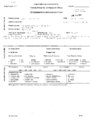
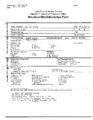
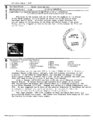
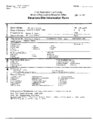
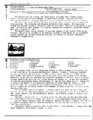
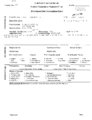
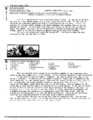
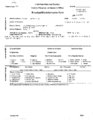
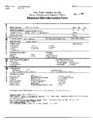
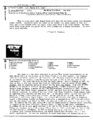
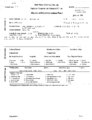
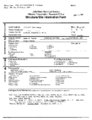
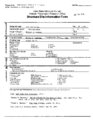
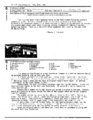
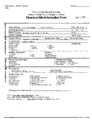
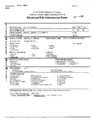
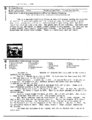
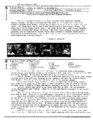
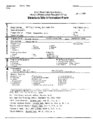
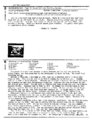
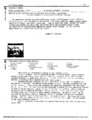
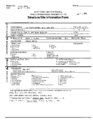
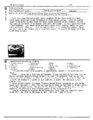
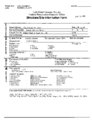
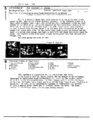
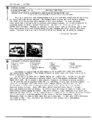
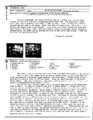
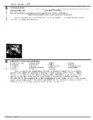
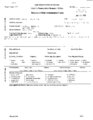
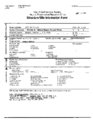
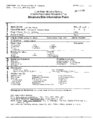
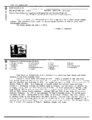
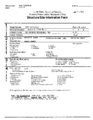
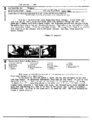
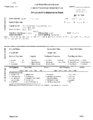
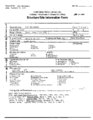
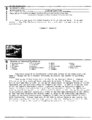
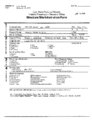
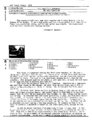
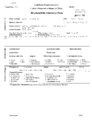
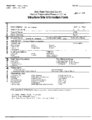
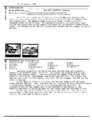
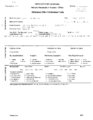
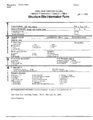
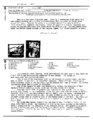
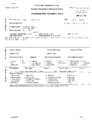
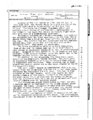
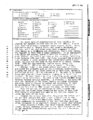
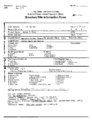
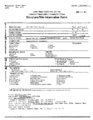
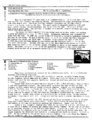
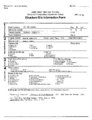
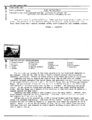
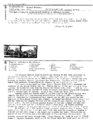
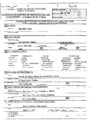
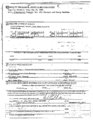
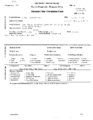
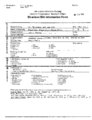
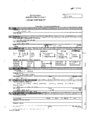
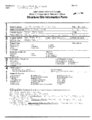
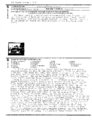
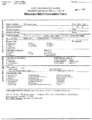
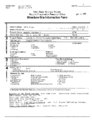
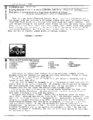
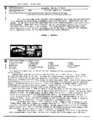
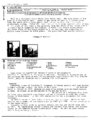
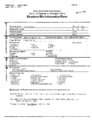
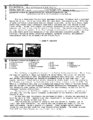
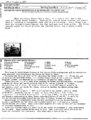
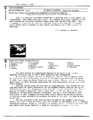
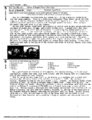
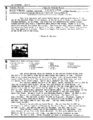
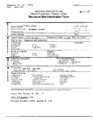
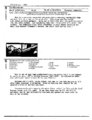
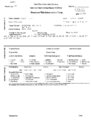
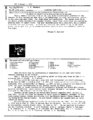
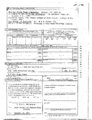
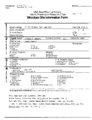
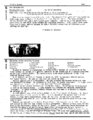
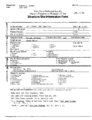
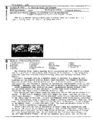
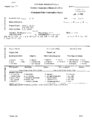
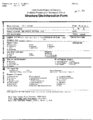
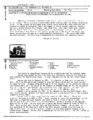
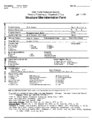
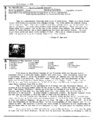
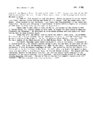
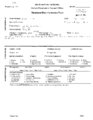
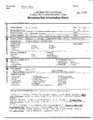
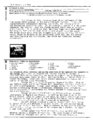
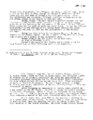
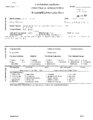
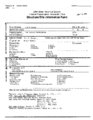
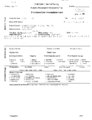
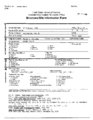
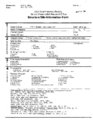
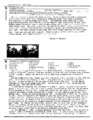
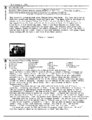
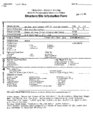
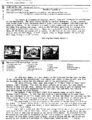
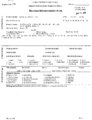
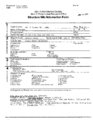
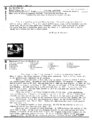
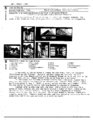
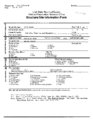
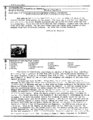
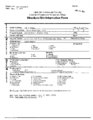
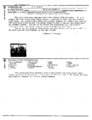
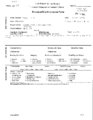
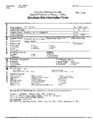
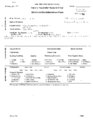
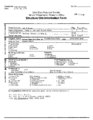
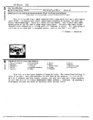
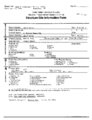
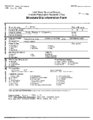
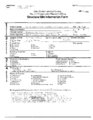
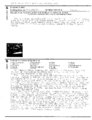
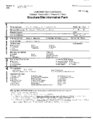
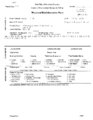
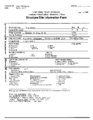
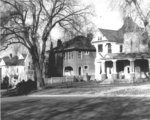
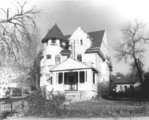
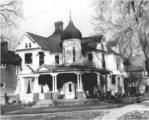
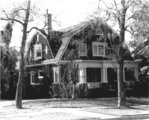
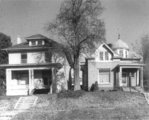
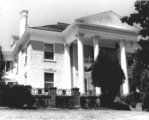
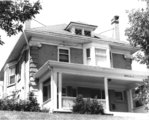
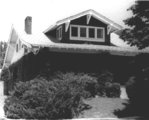
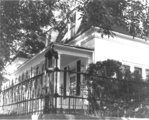
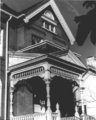
Show 1202 Fourth Avenue - 1908 Architect/Builder: D.C. Dart/T.J. Armstrong Building Type/Style: Building Materials: Description of physical appearance & significant architectural features: (Include additions, alterations, ancillary structures, and landscaping if applicable) This one-and-a-half story home shows bungalow and Colonial Revival style in fluence in its design. It has a high gable roof with a large gabled front domer window, Gables have woodshingle siding, and the side gables have returns. The raised front porch has Doric Columns with railings between. -Thomas W. Hanchett Statement of Historical Significance: a D D o D Aboriginal Americans Agriculture Architecture The Arts Commerce D D D D D Communication Conservation Education Exploration/Settlement Industry O O D a a Military Mining Minority Groups Political Recreation D Religion a Science a Socio-Humanitarian Q Transportation This house is significant because its first owner-resident, Dr. Christen N. Jensen was a well known Utah educator. Dr. Jensen served as Utah State Superintendent of public instruction and held various other educational and administrative positions throughout the state. The house is also significant because David C. Dart was its architect. Dart designed numerous structures in Salt Lake City, of which the best known is the Judge Building in downtown Salt Lake City. This house was originally owned by T.J. Armstrong. Armstrong was a contractor who built many houses in the Avenues. He never lived in this house, and in 1921 he sold it to Christian Nephi and Marian L. Jensen. the Jensens were the first ownerresidents. Dr. Christian Nephi Jensen was born in Ephriam, Utah in 1880, the son of Jens Peter and Dorthea Gregersen Jensen. His parents emigrated from Denmark to San Pete County, Utah in 1866. He was educated at Snow Academy, now Snow College and the Univer sity of Utah. He graduated from Utah State Agricultural College, now Utah State univer sity in 1908. He received a Master of Science degree from Cornell University, and in 1912 his doctor of philosophy degree from the same institution. He began teaching at age eighteen and was a principal in both Manti and Salina, Utah. At Cornell he was an assistant professor and has a two year fellowship. He returned to Utah in 1912, where he served as a professor of botany at Utah State Agricultural College for one year. In 1914 he became President of Brigham Young College in Logan, Utah. In 1921 he was named Utah State superintendent of public instruction, a position he held until 1932. From 1932 to 1945 he was superintendent of the Jordan School District. He re tired in 1945. He was a member of the National Education Association, of which he was a former vice-president. He was also a member of various scientific assosciations. He |