| OCR Text |
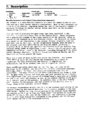
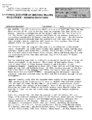
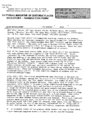
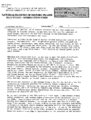
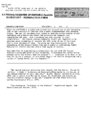
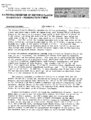
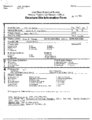
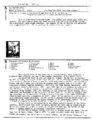
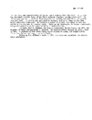
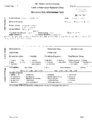
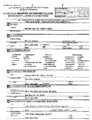
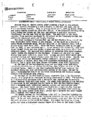
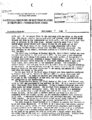
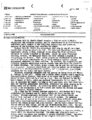
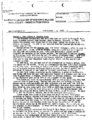
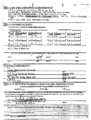
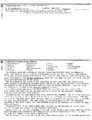
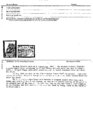
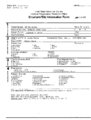
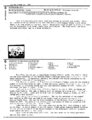
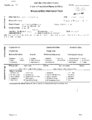
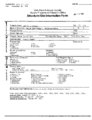
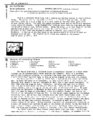
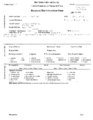
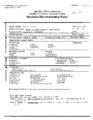
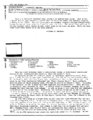
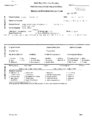
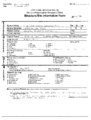
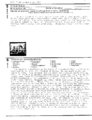
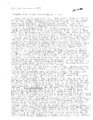
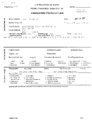
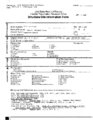
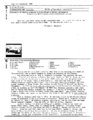
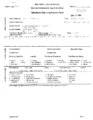
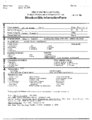
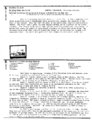
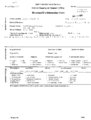
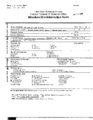
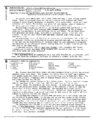
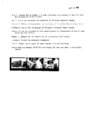
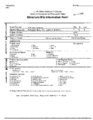
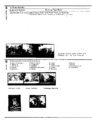
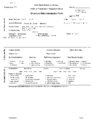
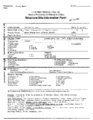
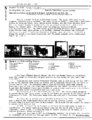
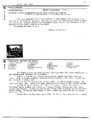
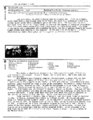
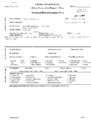
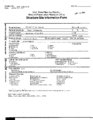
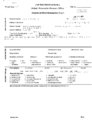
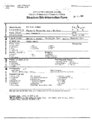
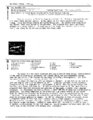
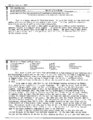
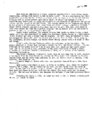
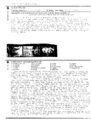
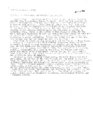
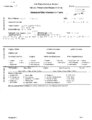
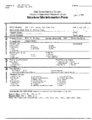
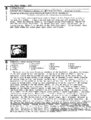
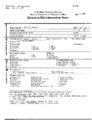
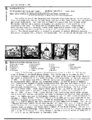
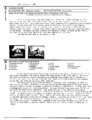
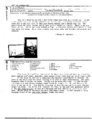
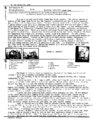
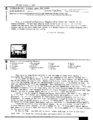
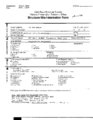
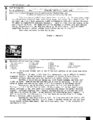
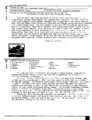
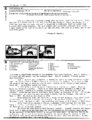
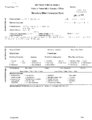
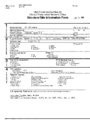
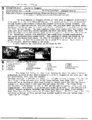
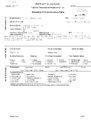
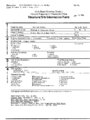
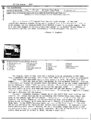
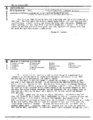
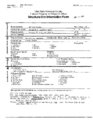
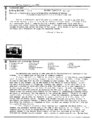
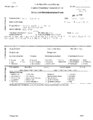
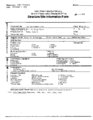
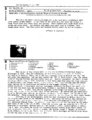
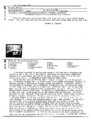
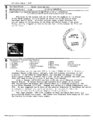
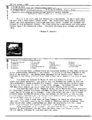
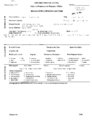
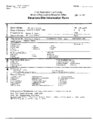
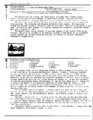
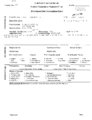
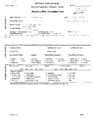
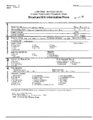
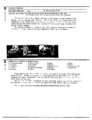
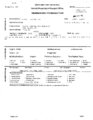
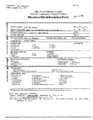
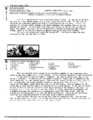
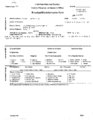
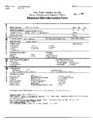
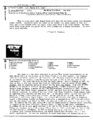
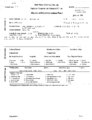
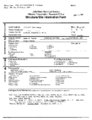
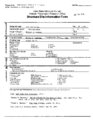
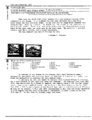
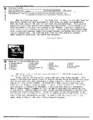
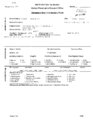
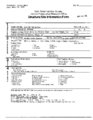
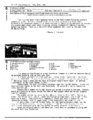
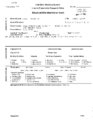
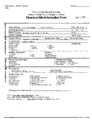
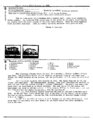
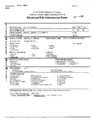
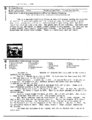
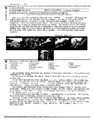
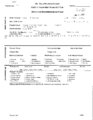
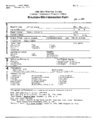
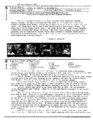
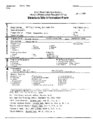
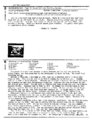
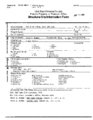
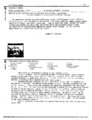
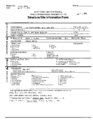
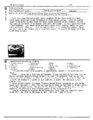
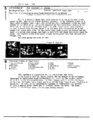
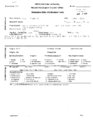
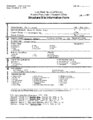
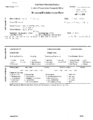
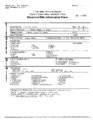
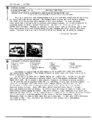
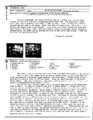
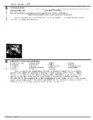
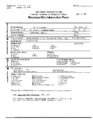
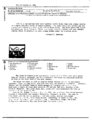
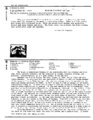
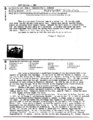
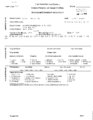
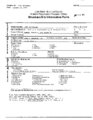
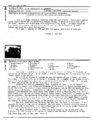
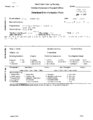
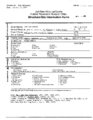
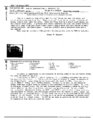
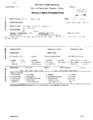
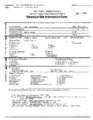
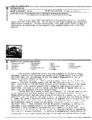
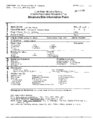
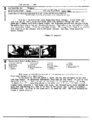
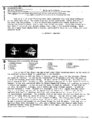
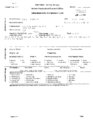
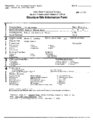
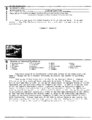
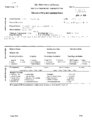
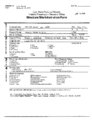
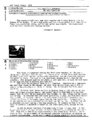
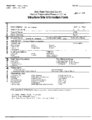
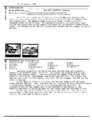
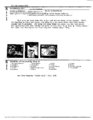
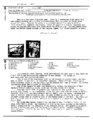
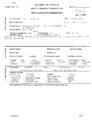
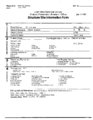
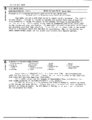
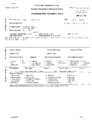
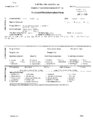
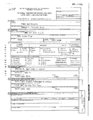
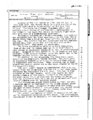
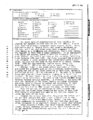
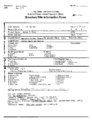
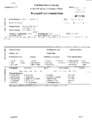
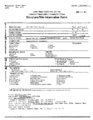
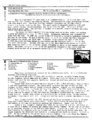
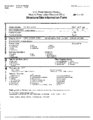
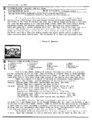
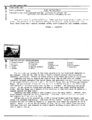
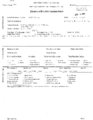
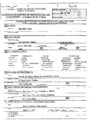
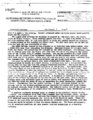
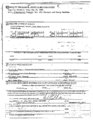
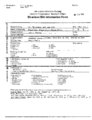
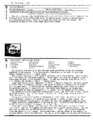
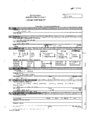
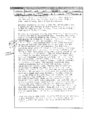
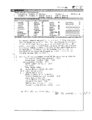
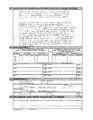
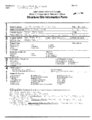
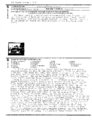
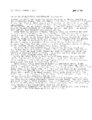
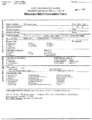
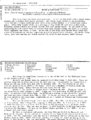
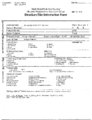
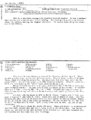
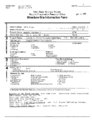
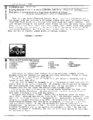
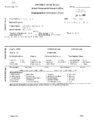
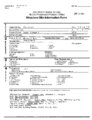
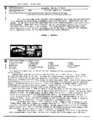
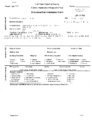
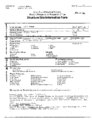
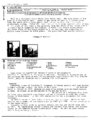
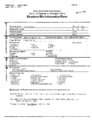
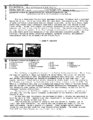
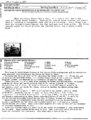
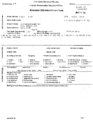
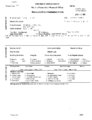
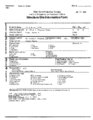
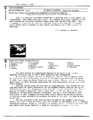
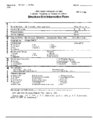
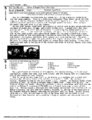
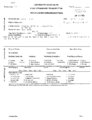
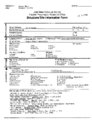
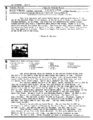
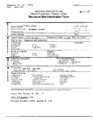
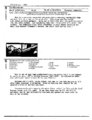
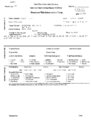
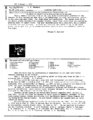
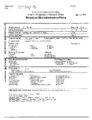
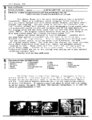
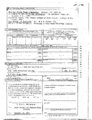
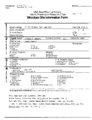
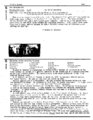
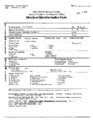
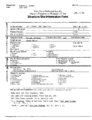
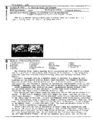
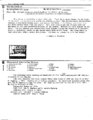
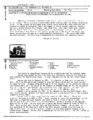
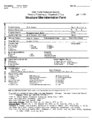
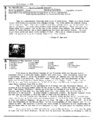
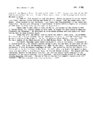
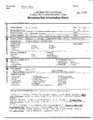
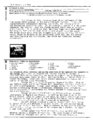
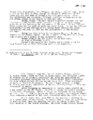
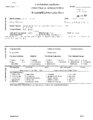
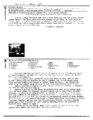
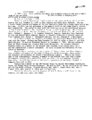
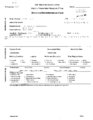
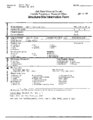
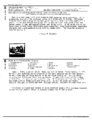
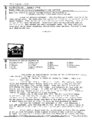
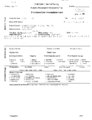
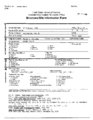
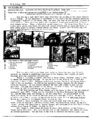
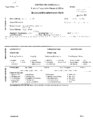
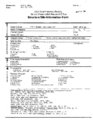
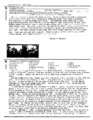
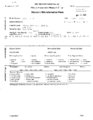
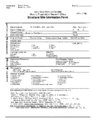
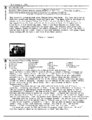
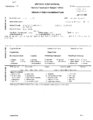
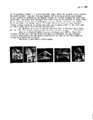
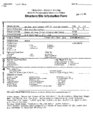
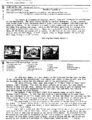
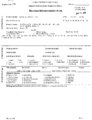
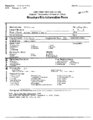
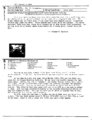
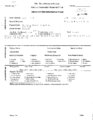
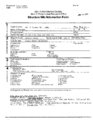
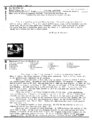
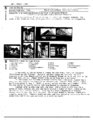
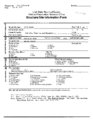
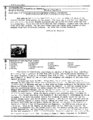
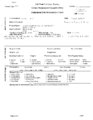
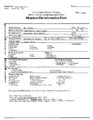
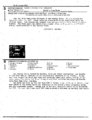
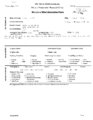
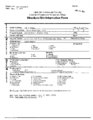
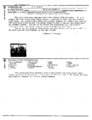
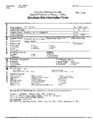
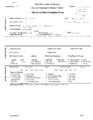
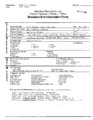
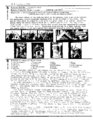
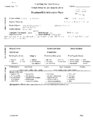
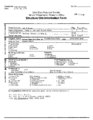
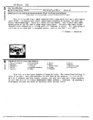
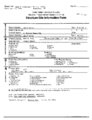
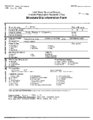
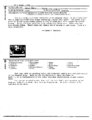
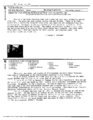
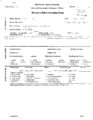
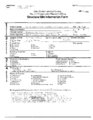
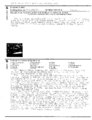
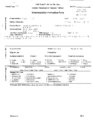
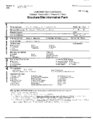
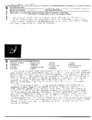
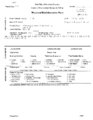
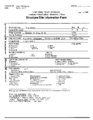
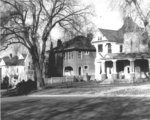
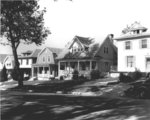
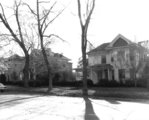
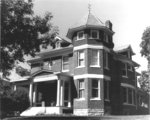
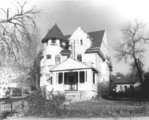
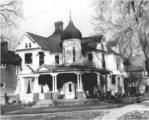
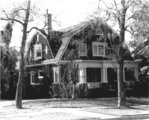
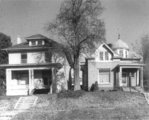
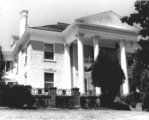
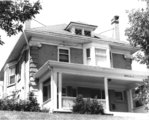
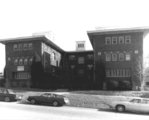
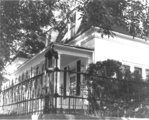
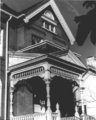
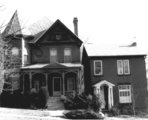
Show UJ 983 3rd Avenue-1891 Architect/Builder: Building Type/Style: box type Building Materials: brick Description of physical appearance & significant architectural features: (Include additions, alterations, ancillary structures, and landscaping if applicable) This rafter ends wall dormer borders and with carved is a two-and-a-half story home on a corner lot. It has a hip roof with left exposed in the eaves for decorative effect. There is a front center with rusticated brick. First and second story windows have quoin-like stone lintels and sills. The front porch, now enclosed, has brick columns stone bases and capitals. -Thomas W. Hanchett Statement of Historical Significance: D D D D D Aboriginal Americans Agriculture Architecture The Arts Commerce Q n a O a Communication Conservation Education Exploration/Settlement Industry D O D a D Military Mining Minority Groups Political Recreation D a D D Religion Science Socio-Humanitarian Transportation The house is significant because of its association with the original and long time owner, Lafayett Hanchett, who was prominent in mining, business, banking, and politics. Architecturally, it is a good example of the box type. ; Hanchett was born in Fulton, New York, August 12, 1869, son of Silas and Mary Chafee Hanchett. He graduated from the University of Denver in 1888 and became manager of the Lamanite Mine at Idaho Springs. For the next sixteen years, he managed various mines and mining operations in Idaho. In 1904 he came to Utah as manager of the Boston Consolidated Mining Co. In about 1910 he began to turn his attention from mining to the electric power industry and to banking. In the next decade he was simultaneously vicepresident of the United Hydro-Electric Co. of Georgetown, Colorado, vice-president of the Thousand Springs Power Co. of Idaho, and president of the Intermountain Electric Co. In 1920 he became president of the Utah Power and Light Co. and in 1929 he was named Chairman of the Board. His interest in electric power extended beyond his business activities to other areas of life. For many years, he was the proud owner of electric, rather than gasoline powered, automobiles. At the same time Hanchett was involved with the electric industry, he was also active in the field of banking. From 1910 to 1928 he was president of the National Copper Bank, and from 1919 to 1935 he was a director of the Federal Re serve Branch Bank of SLC. He was also active in politics, serving as Chairman of the Salt Lake County Commission prior to W.W.I. His political career was cut short by W.W.I. when he accepted a presidential appointment to supervise the building of a power plant at Nitro, W. Virginia. During the war years, he also served on Utah's Drafte Appeal Board. Following Hanchett's death in 1955, two years after his retirement as Chairman of the Board of Utah Power and Light, the house was turned into a nursing home. It served that purpose until the summer of 1978. |