| OCR Text |
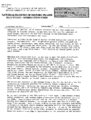
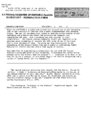
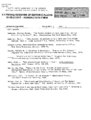
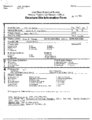
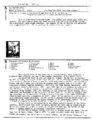
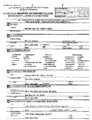
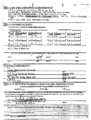
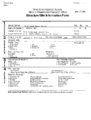
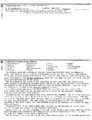
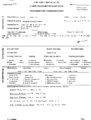
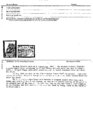
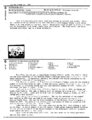
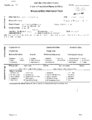
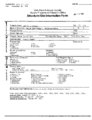
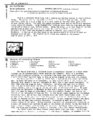
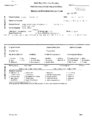
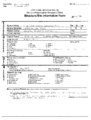
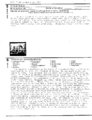
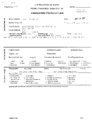
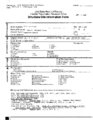
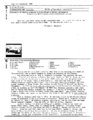
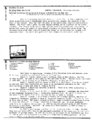
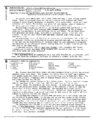
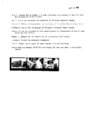
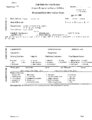
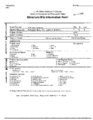
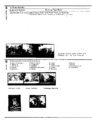
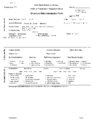
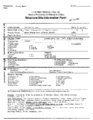
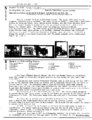
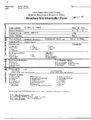
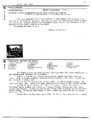
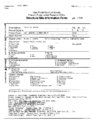
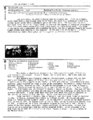
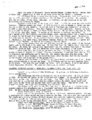
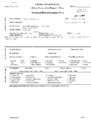
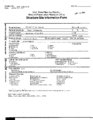
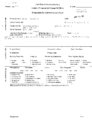
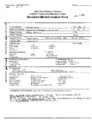
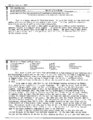
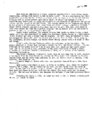
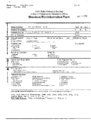
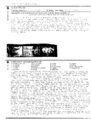
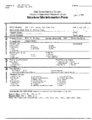
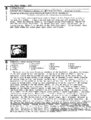
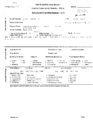
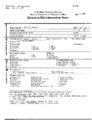
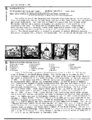
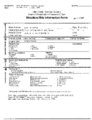
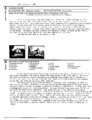
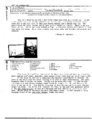
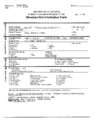
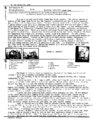
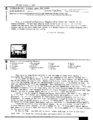
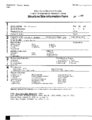
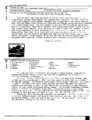
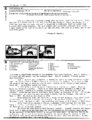
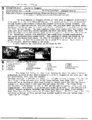
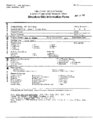
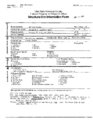
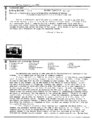
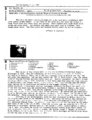
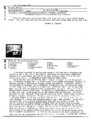
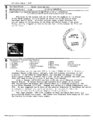
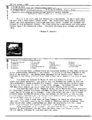
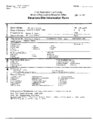
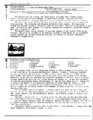
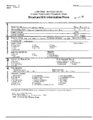
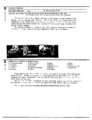
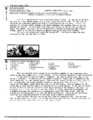
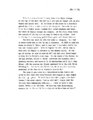
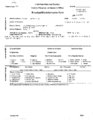
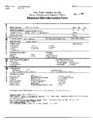
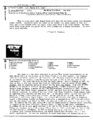
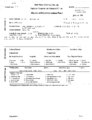
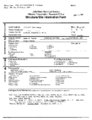
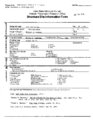
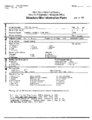
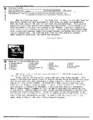
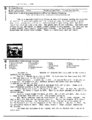
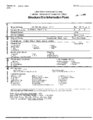
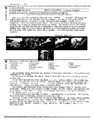
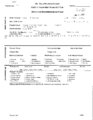
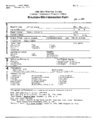
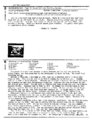
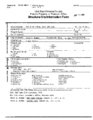
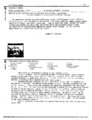
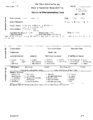
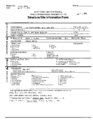
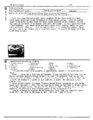
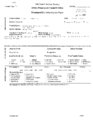
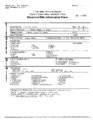
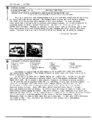
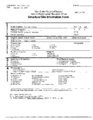
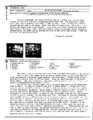
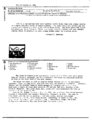
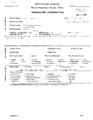
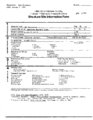
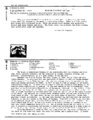
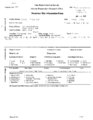
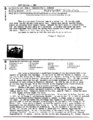
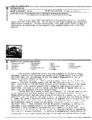
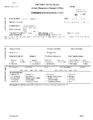
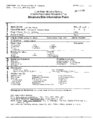
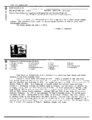
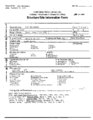
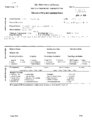
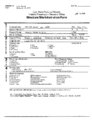
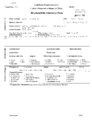
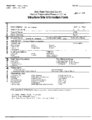
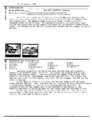
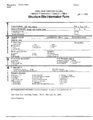
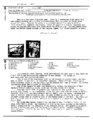
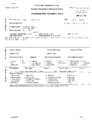
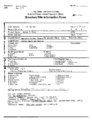
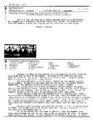
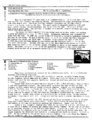
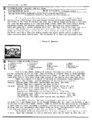
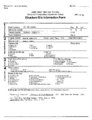
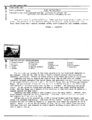
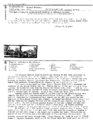
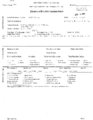
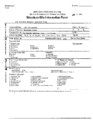
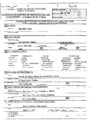
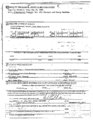
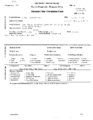
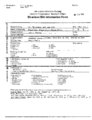
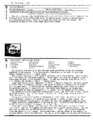
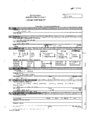
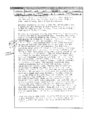
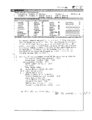
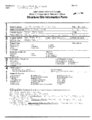
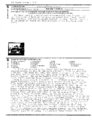
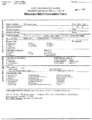
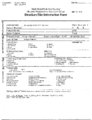
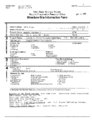
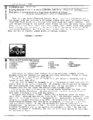
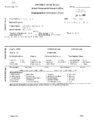
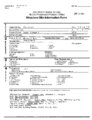
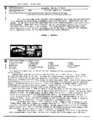
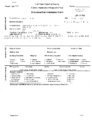
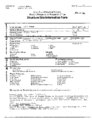
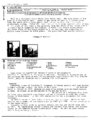
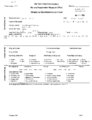
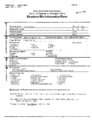
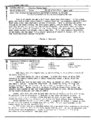
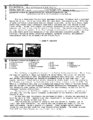
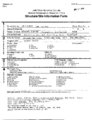
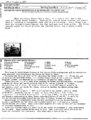
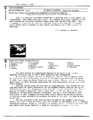
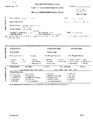
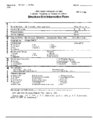
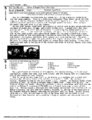
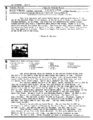
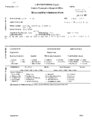
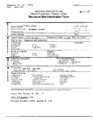
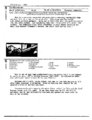
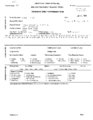
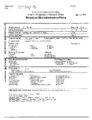
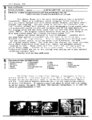
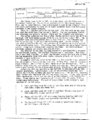
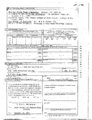
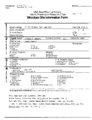
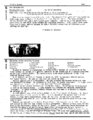
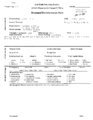
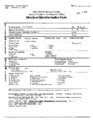
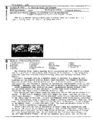
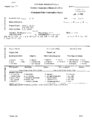
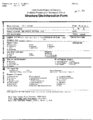
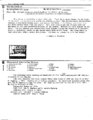
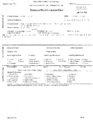
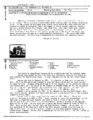
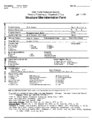
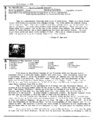
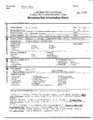
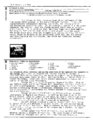
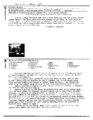
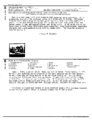
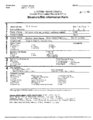
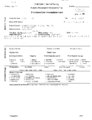
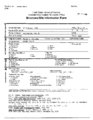
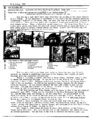
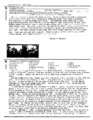
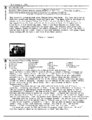
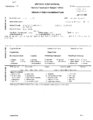
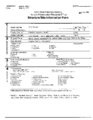
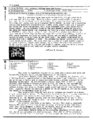
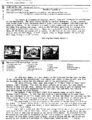
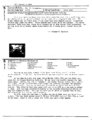
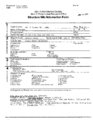
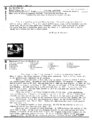
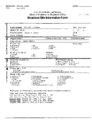
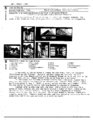
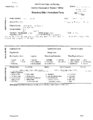
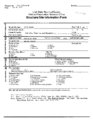
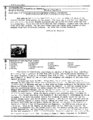
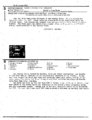
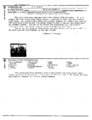
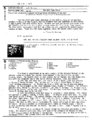
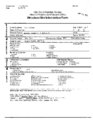
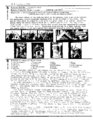
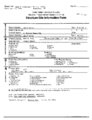
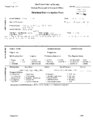
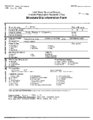
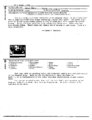
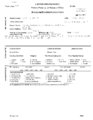
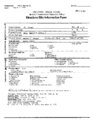
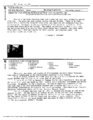
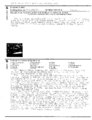
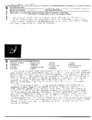
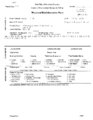
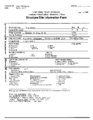
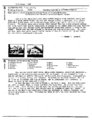
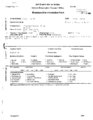
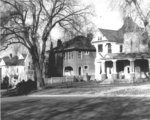
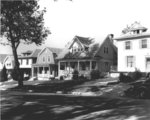
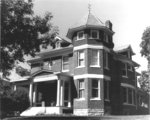
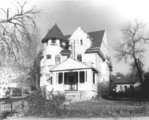
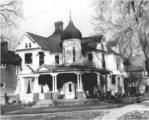
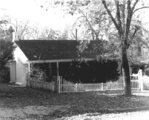
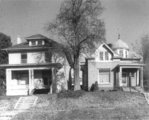
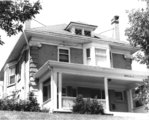
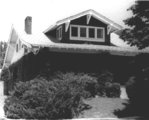
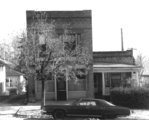
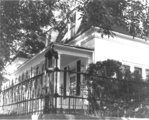
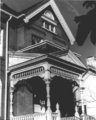
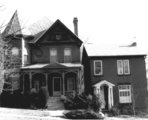
Show 5 1024 1st Avenue-1892 Architect/Builder: carroll/E, Darling Building Materials: asbestos shingle sidinP ui| ding Type/Style: Victorian eclectic______ Description of physical appearance & significant architectural features: (Include additions, alterations, ancillary structures, and landscaping if applicable) This is a two-story Victorian home, probably of pattern-book design. Most of its original details were removed or covered when the house was sided with asbestos shingles, probably in the 1950's. The tall front gable was probably covered with wood shingle sidinj as was the second floor, which is flared out over the first. The second floor porch still has the original wooden paired columns, while those on the first are gone. Above the larg< first floor front window is an art-glass transom. -Thomas W. Hanchett Statement of Historical Significance: D D a D O Aboriginal Americans Agriculture Architecture The Arts Commerce a D D Q a Communication Conservation Education Exploration/Settlement Industry Q Military a D a a Mining Minority Groups Political Recreation a Religion a Science D Socio-Humanitarian D Transportation This two-story Victorian house of pattern-book design is historically significant because of its association with Russel L. Tracy and Eugene W. Kelly. It was built in 1892 for Joseph P. Bache, an apparently interesting person about whom it would be nice to know more. Unfortunately, the only information available about him is found in Salt Lake City Directories. According to them, at the time he built the house he was "Utah Territorial Librarian" and "Clerk, Supreme Court." Bache evidently held the house as rental property until 1894 when he sold it to Russel L. Tracy. According to his obituary, he was "a noted Salt Lake financier and philanthropist." Tracy was born in Mansfield, Ohio, December 10, 1860. In 1883 he moved to Cheyenne, Wyoming, and in 1884 founded the Tracy Loan and Trust Company. In 1892 he moved to Salt Lake City and transferred headquarters of the company here. Eventually, the business became one of the largest of its kind in the Intermountain West. In addition to commercial affairs, Tracy was active in community affairs. He financed the Boy Scout camp, known as Tracy Wigwam, in Millcreek Canyon, and funded the Tracy Aviary in Salt Lake's Liberty Park. Tracy was a member of the Congregational Church. In 1906 Tracy moved to a larger house in Salt Lake City (1285 Military Way) and sold this one to Eugene W. Kelly. He was born in Fillmore, Utah in 1873, received his schooling there and remained in the town until coming to Salt Lake City in 1902. Active in politics, while in Fillmore he served as its mayor, in the stat legislature, and as chairman of the Utah State Republican Committee. Upon coming to Salt Lake City he founded Rowe and Kelly Men's Clothing Store, later Mullett-Kelly, and continued his involvement in politics, in the 1930*s he was tiwce an unsuccessful candidate for the office of Salt Lake City Mayor f and in 1936 unsuccessfully sought the Republican nomination for Governor. He was |