| OCR Text |
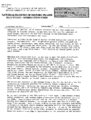
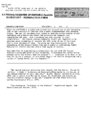
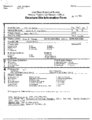
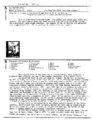
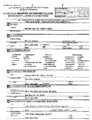
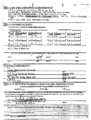
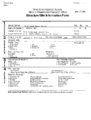
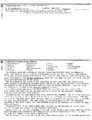
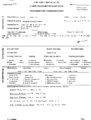
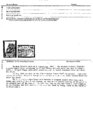
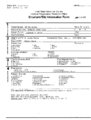
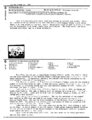
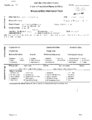
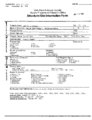
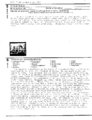
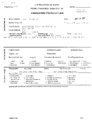
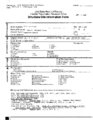
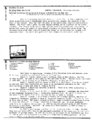
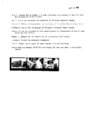
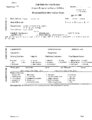
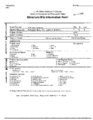
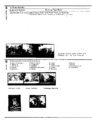
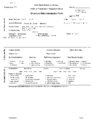
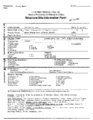
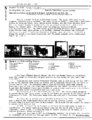
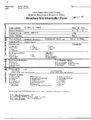
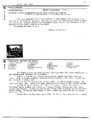
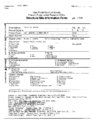
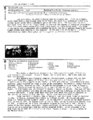
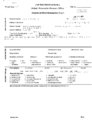
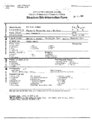
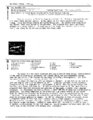
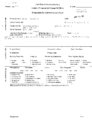
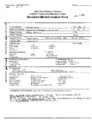
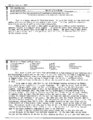
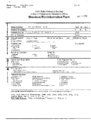
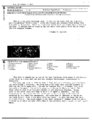
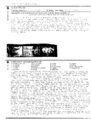
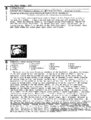
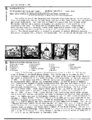
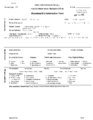
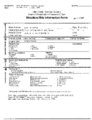
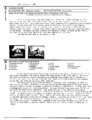
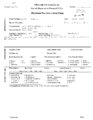
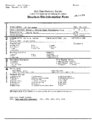
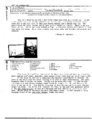
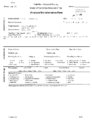
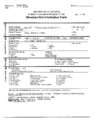
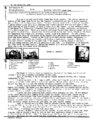
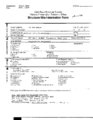
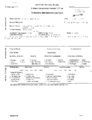
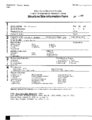
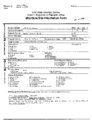
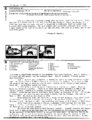
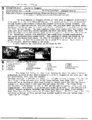
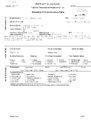
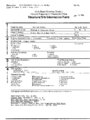
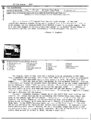
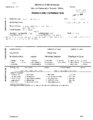
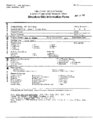
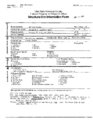
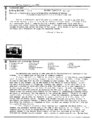
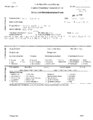
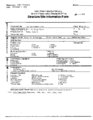
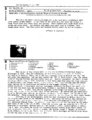
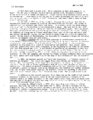
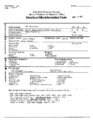
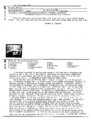
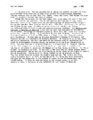
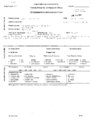
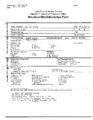
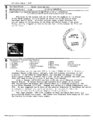
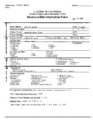
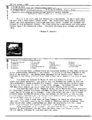
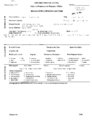
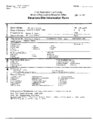
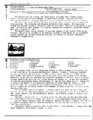
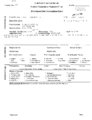
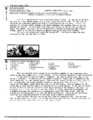
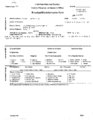
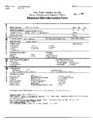
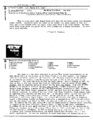
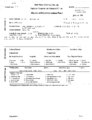
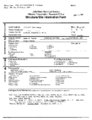
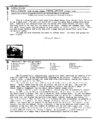
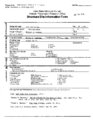
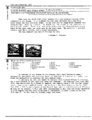
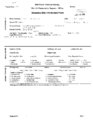
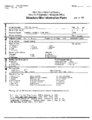
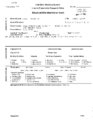
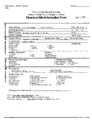
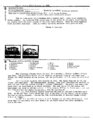
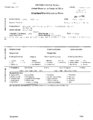
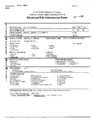
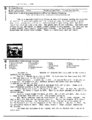
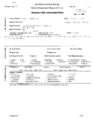
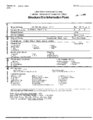
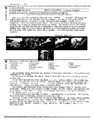
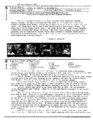
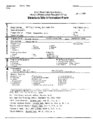
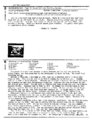
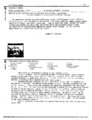
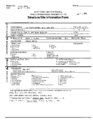
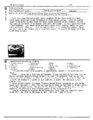
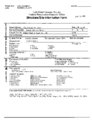
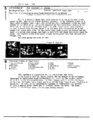
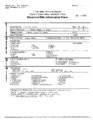
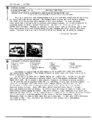
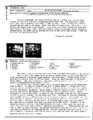
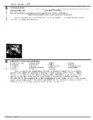
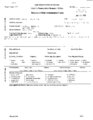
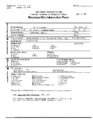
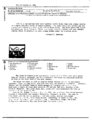
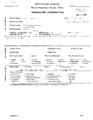
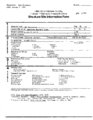
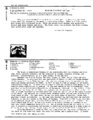
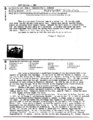
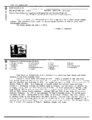
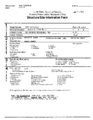
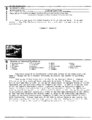
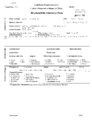
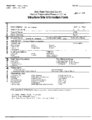
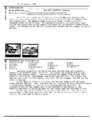
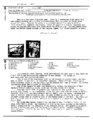
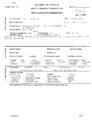
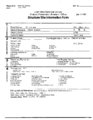
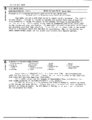
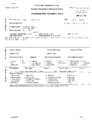
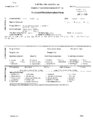
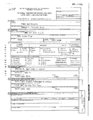
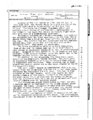
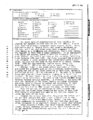
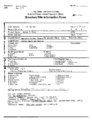
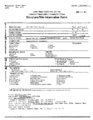
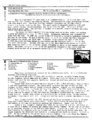
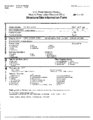
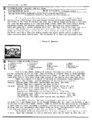
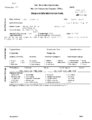
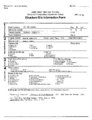
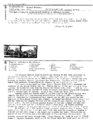
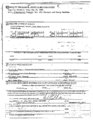
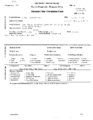
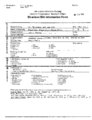
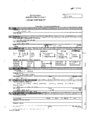
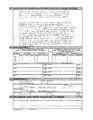
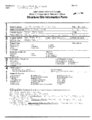
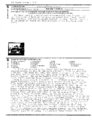
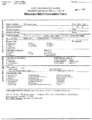
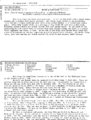
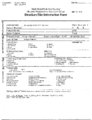
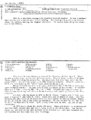
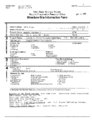
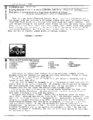
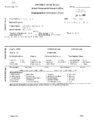
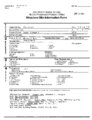
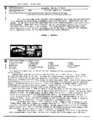
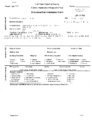
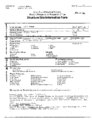
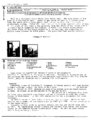
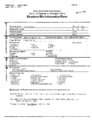
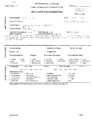
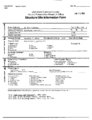
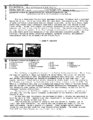
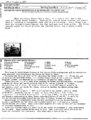
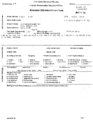
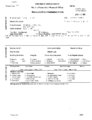
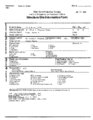
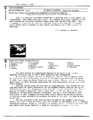
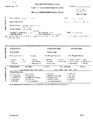
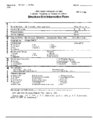
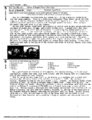
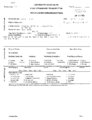
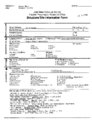
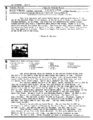
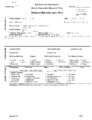
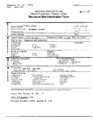
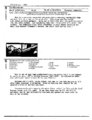
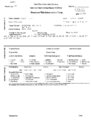
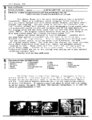
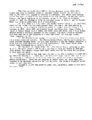
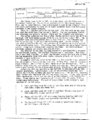
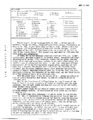
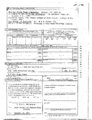
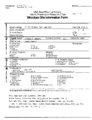
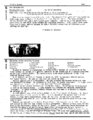
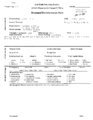
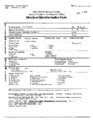
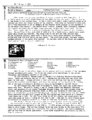
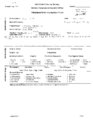
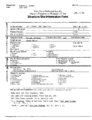
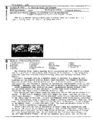
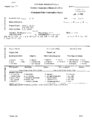
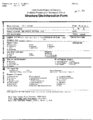
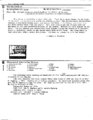
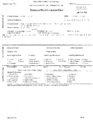
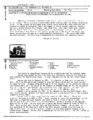
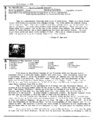
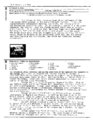
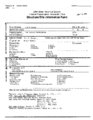
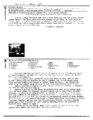
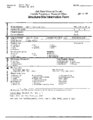
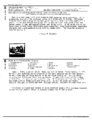
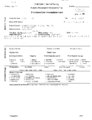
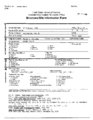
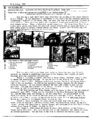
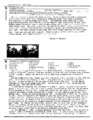
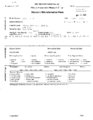
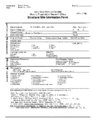
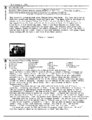
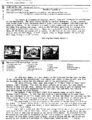
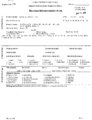
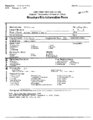
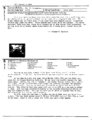
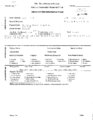
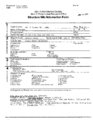
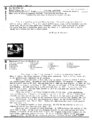
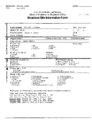
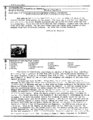
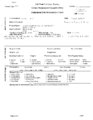
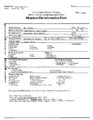
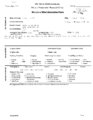
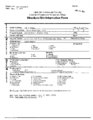
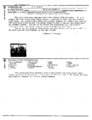
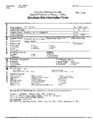
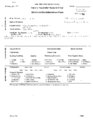
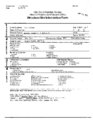
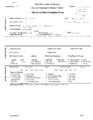
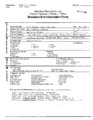
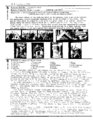
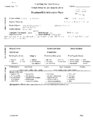
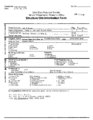
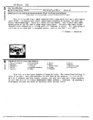
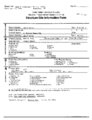
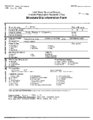
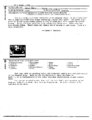
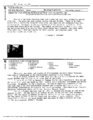
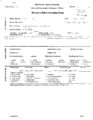
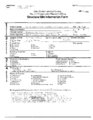
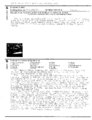
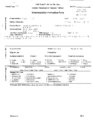
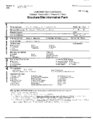
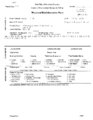
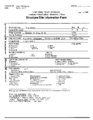
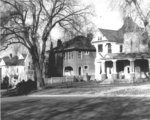
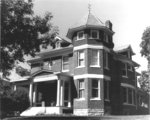
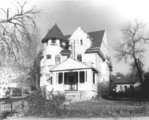
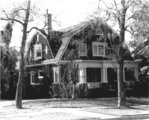
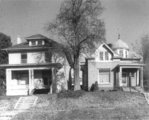
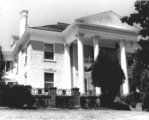
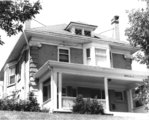
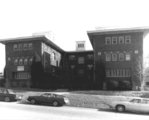
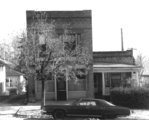
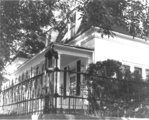
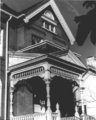
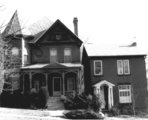
Show 1903 77-79 C Street Architect/Builder: Building Type/Style: Building Materials: brick Description of physical appearance & significant architectural features: (Include additions, alterations, ancillary structures, and landscaping if applicable) This is a two-story house with a hip roof. The stepped front gable with its corbelled brick caps shows influence of the Dutch Colonial Revival style. The large windows on the bay beneath that gable have leaded glass transoms. Next to it is the gabled front porch with its two-story doric columns and decorated pediment. Side windows have stone sills and lintels, and are grouped to form a forceful composition of different-sized rectangular openings. --Thomas W. Hanchett Statement of Historical Significance: D D O D D Aboriginal Americans Agriculture Architecture The Arts Commerce D Q a D O Communication Conservation Education Exploration/Settlement Industry D D a D D Military Mining Minority Groups Political Recreation ,S D D D Religion Science Socio-Humanitarian Transportation Brigham H. Roberts is significant in Mormon history because of his position in the First Council of Seventy as a general authority in the Church and as a mission president. He was also a Mormon author. The architectural style shows influences of the Dutch Colonial Revival style. B. H. Roberts was born in England on March 13, 1857, to Benjamin Roberts and Ann Everington Roberts. He came to Utah with his sister in 1866. Roberts apprenticed as a blacksmith. He then attended the Deseret University (now the university of Utah). He graduated in 1878 from the normal department. He taught school and then became editor-in-chief of the Salt Lake "Herald" newspaper. Roberts served several missions for the Mormon Church. He served his first mission in 1880 to the United States. In 1886 Roberts was arrested for unlawful cohabitation (polygamy). To avoid sentence, Roberts skipped bail and went on a mission to England. He returned in 188. In 1888 Roberts was called to be a member of the First Quorum of Seventy. He became senior president of the council in 1924. He also served on the general board of the Mutual, a young men's organization, from 1901 to 1922. He was first assistant superintendent from 1918 to 1922. He was president of the Eastern Stake Mission from 1922 to 1927. Roberts was elected to the United States House of Representatives in 1895. He was not allowed to take the seat because he was a polygamist. Roberts is best known for his work in the Historian's office of the L.D.S. Church. As assistant Church Historian, he compiled the History of the Church of Jesus Christj)f Latter-day Saints, Period I, sometimes known as the Documentary History of the Church which includes primary sources about the Chruch from the writings of Brigham Young. He wrote the Comprehensive History of the Church of Jesus Christ of Latter-day Saints which" has been one of the main sources |