| OCR Text |
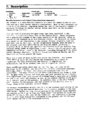
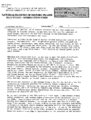
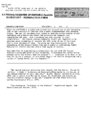
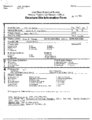
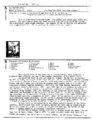
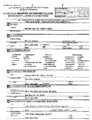
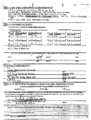
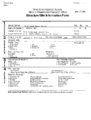
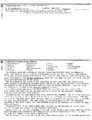
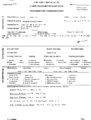
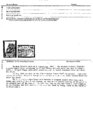
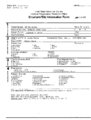
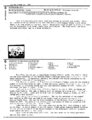
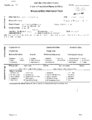
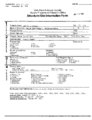
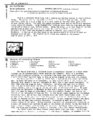
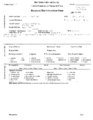
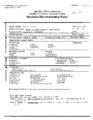
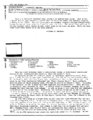
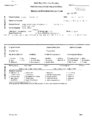
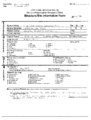
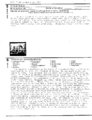
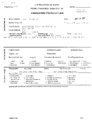
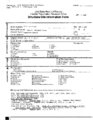
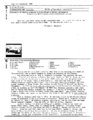
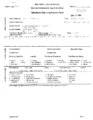
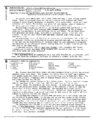
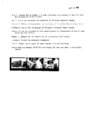
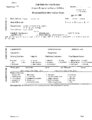
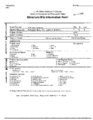
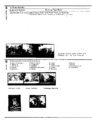
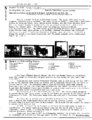
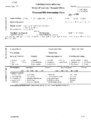
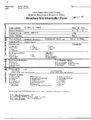
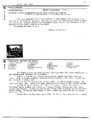
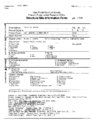
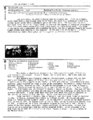
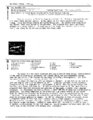
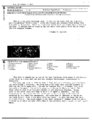
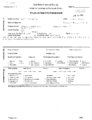
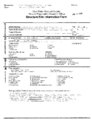
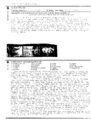
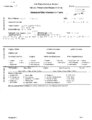
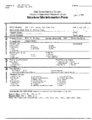
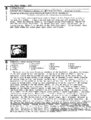
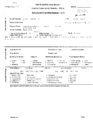
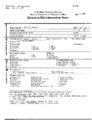
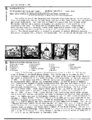
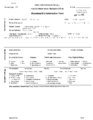
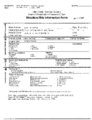
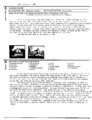
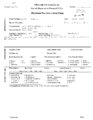
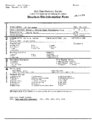
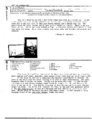
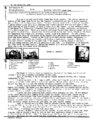
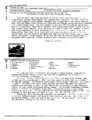
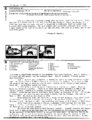
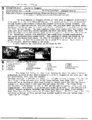
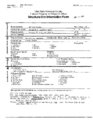
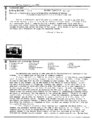
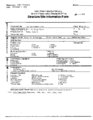
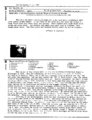
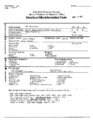
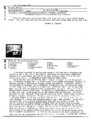
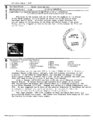
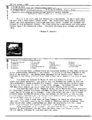
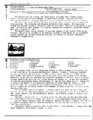
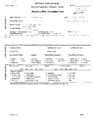
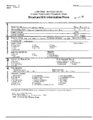
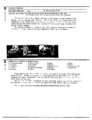
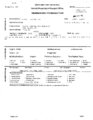
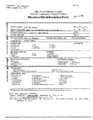
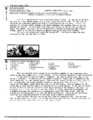
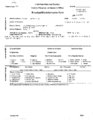
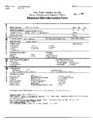
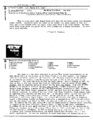
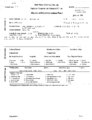
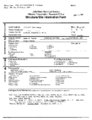
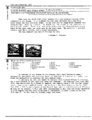
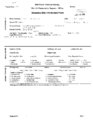
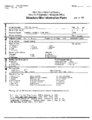
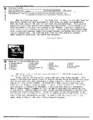
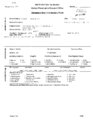
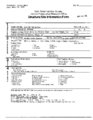
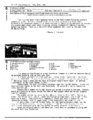
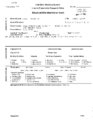
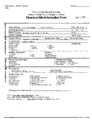
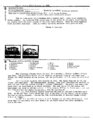
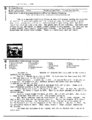
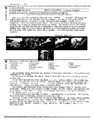
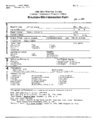
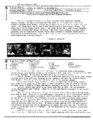
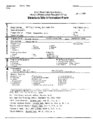
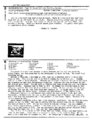
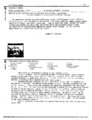
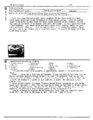
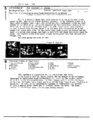
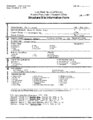
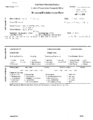
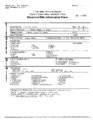
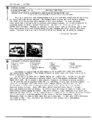
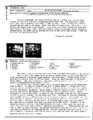
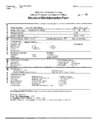
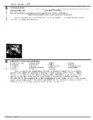
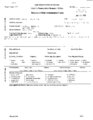
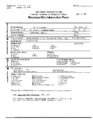
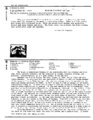
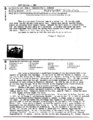
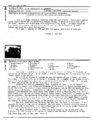
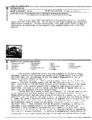
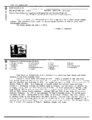
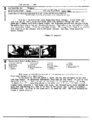
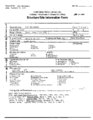
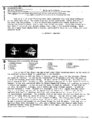
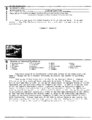
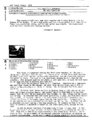
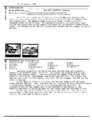
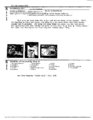
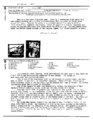
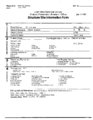
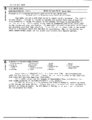
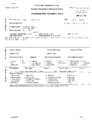
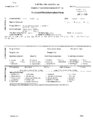
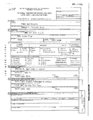
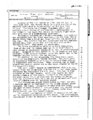
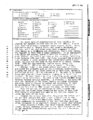
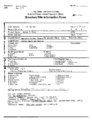
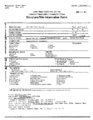
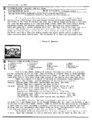
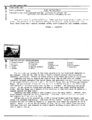
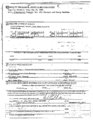
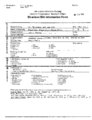
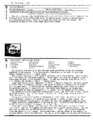
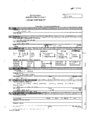
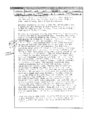
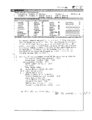
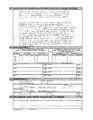
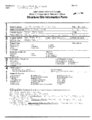
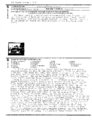
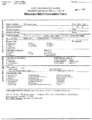
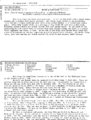
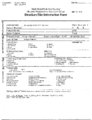
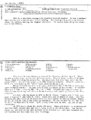
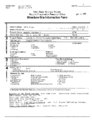
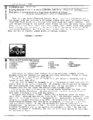
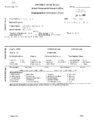
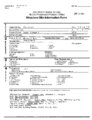
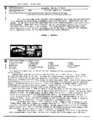
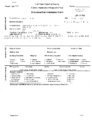
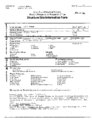
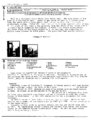
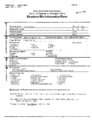
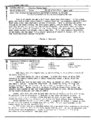
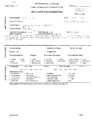
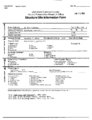
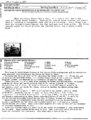
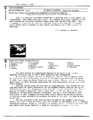
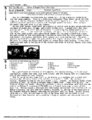
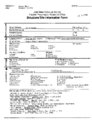
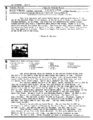
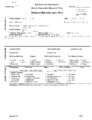
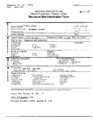
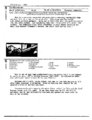
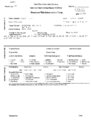
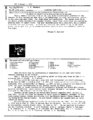
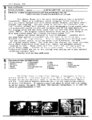
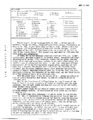
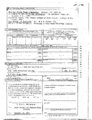
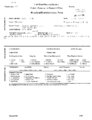
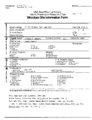
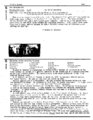
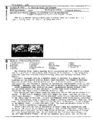
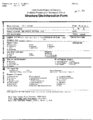
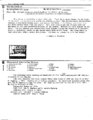
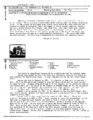
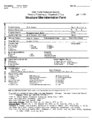
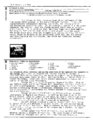
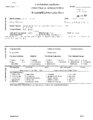
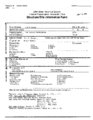
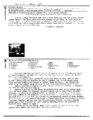
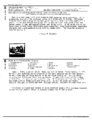
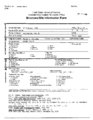
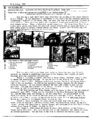
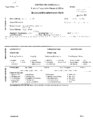
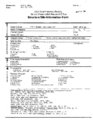
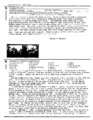
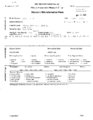
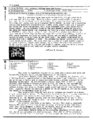
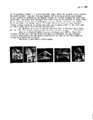
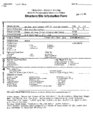
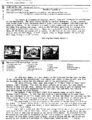
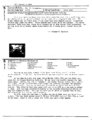
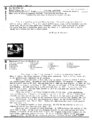
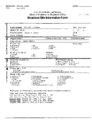
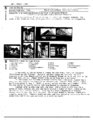
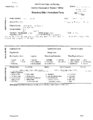
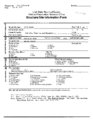
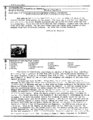
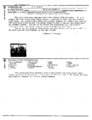
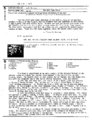
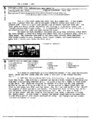
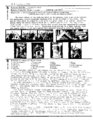
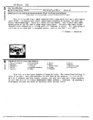
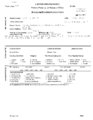
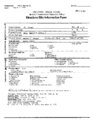
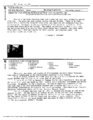
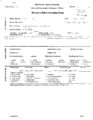
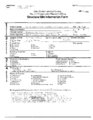
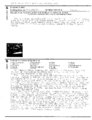
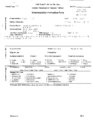
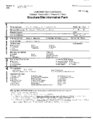
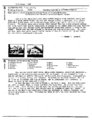
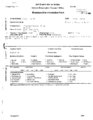
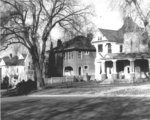
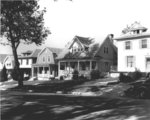
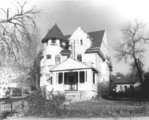
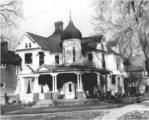
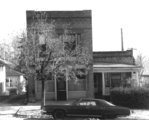
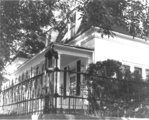
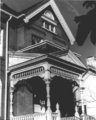
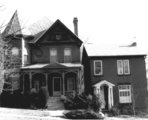
Show 681 2nd Avenue-1899 Architect/Builder: Building Type/Style: Victorian eclectic Building Materials: brick Description of physicalappearance & significant architectural features: (Include additions, alterations, ancillary structures, and landscaping if applicable) This is a two story Victorian home with a main hip roof and a projecting gabled front bay. The front gable has returns, ornate barge boards with wood paneling, and dentil molding. A heavy cornice runs around the house under the eaves. Windows have arched openings, and the large first floor front window has a transom. The original columns on the wide one-story front porch have been replaced with wrought iron ones. The brick may have been recently sandblasted. --Thomas W. Hanchett Statement of Historical Significance: a D D D O Aboriginal Americans Agriculture Architecture The Arts • Commerce D D O D O Communication Conservation Education Exploration/Settlement Industry D O D D a Military Mining Minority Groups Political Recreation D D n D Religion Science Socio-Humanitarian Transportation This two-story brick residence of pattern book design is significant both because it is representative of houses built throughout the Avenues in the 1890's and also due to its association with James E. Banner. It was built in 1899 for Banner, a lawyer who was bron in Illinois in 1846 and came to Salt Lake City in 1890. He was active in the American Political Party and served as its chairman in 1909. The American Party was an anti-Mormon Political Party organized in 1904 by a group of men including former U.S. Senator Thomas Kearns, who objected to the influence of the Mormon Church in the political affairs of Utah. The party had little success statewide, but was successful for half a dozen years in Salt Lake City electing the mayor and a majority of the city council men between 1905 and 1911. In 1906, Banner sold the house to John Q. Critchlow. Bescribed in the Salt Lake City Birectory as a ''broker" and a "pawnbroker" as well as "Treasurer of Bowe and Kelley Clothing Co.," he lived in the house only briefly, then rented it out. In 1920 Critchlow sold the house to Joseph Piva, who is listed in the Birectory as a "miner." In the late 1920's, Piva sold the house to a teacher at Salt Lake City's South High School named Florence C. Hickman. She owned the house until the late 1940's when an engineer named Magar B. Tanielian bought it. In about 1957 the house was converted into several small apartments. It remained a multi-family residence through the 1960's. |