| OCR Text |
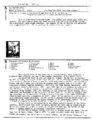
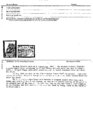
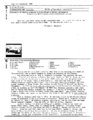
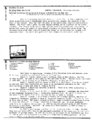
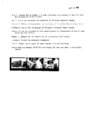
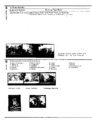
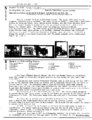
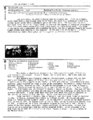
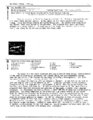
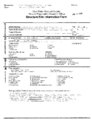
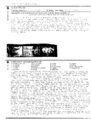
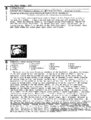
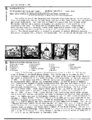
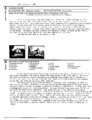
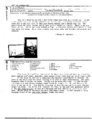
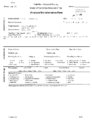
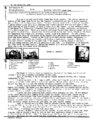
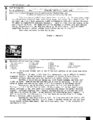
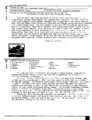
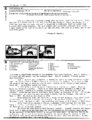
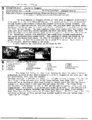
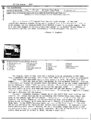
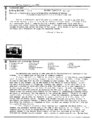
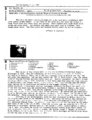
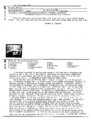
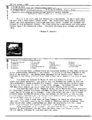
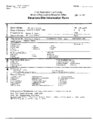
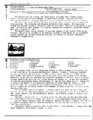
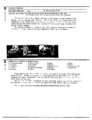
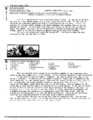
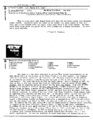
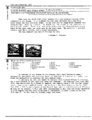
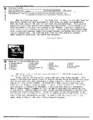
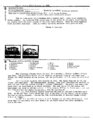
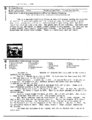
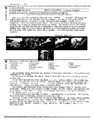
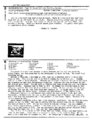
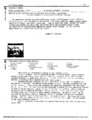
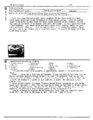
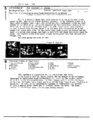
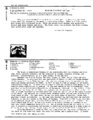
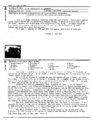
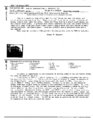
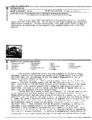
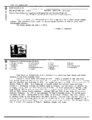
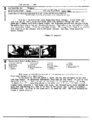
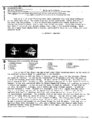
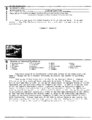
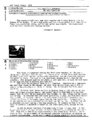
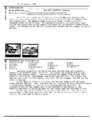
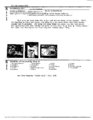
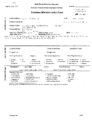
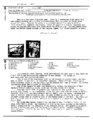
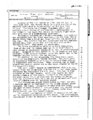
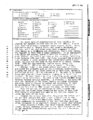
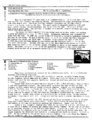
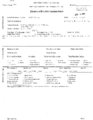
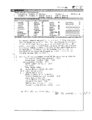
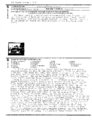
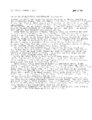
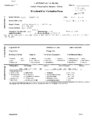
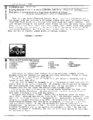
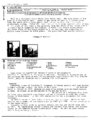
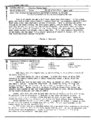
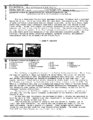
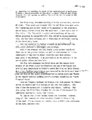
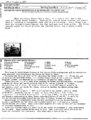
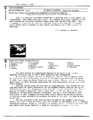
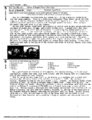
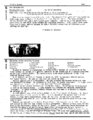
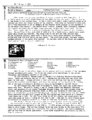
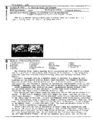
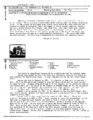
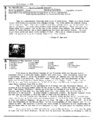
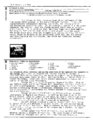
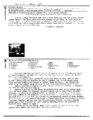
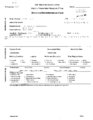
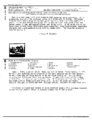
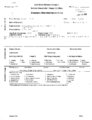
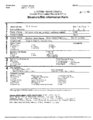
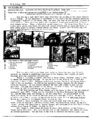
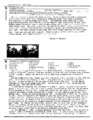
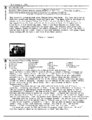
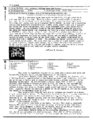
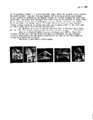
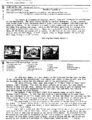
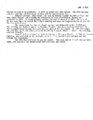
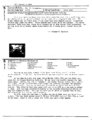
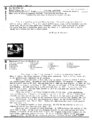
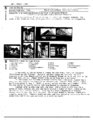
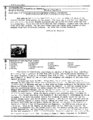
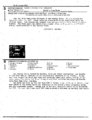
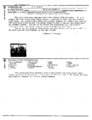
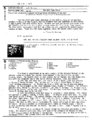
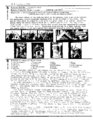
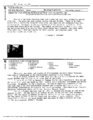
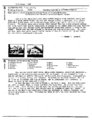
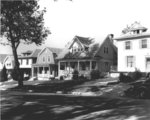
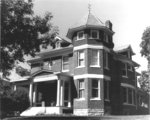
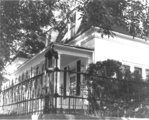
Show 140 2nd Avenue-ca. 1890 Architect/Builder: brick Building Type/Style: Queen Anne Building Materials: Description of physical appearance & significant architectural features: (Include additions, alterations, ancillary structures, and landscaping if applicable) this is a two-and-a-half story Queen Anne Style mansion. The complex massing is typical of the Queen Anne Style, but the :masonry construction and use of arched openings show influence of the Romanesque Style. The house has hip roofs with a finial at the peak. A gabled dormer window with half-timbering and brackets project from the east part of the front roof and an eyelid dormer is visible above it at the center. At the northwest corner of the house is a three-story octagonal tower topped by a wooden belvedere, now enclosed, with a bell-shaped roof. There is a cornice with large bracket-like dentils around the house. The walls are pink brick. Second floor windows paired on the main house, single on the tower, are Romanesque and arched with corbelled, carved brick drip moldings. Two belt courses extend from the bases af the arches of the window sills and there is carved brick decoration above the turret arches. Windows on the first floor have flatter arches--rectangular in the tower with stone sills and lintels, and Italian stained glass transoms. There is a prominent exterior chimney on the east side of the house, a carved plaque on the west side and wooden sunburst and scallop detailing at the rear. The foundation is of sandstone. The front porch has been rebuilt. Behind the mansion is a carriage house, and an iron fence runs along 2nd Avenue below the mansion. Statement of Historical Significance: a Aboriginal Americans D Agriculture ^^Architecture a The Arts OX'Commerce D Communication O Conservation D Education D Exploration/Settlement dnndustry a Military D Mining D Minority Groups Q Political D Recreation D D Q D Religion Science Socio-Humanitarian Transportation The Nephi W. Clayton House is significant because of the Queen Anne Style and because Clayton was a leading businessman in Salt Lake. Nephi W. Clayton, a son of William and August Braddock Clayton, was a leading businessman in SLC. Clayton was born in Salt Lake in 1857. After receiving his education in the common schools, he worked in his father's office for awhile. He was chose territorial librarian in 1874 and from 1879 to 1890 was auditor of public accounts for the state. In 1887 Clayton helped start the Island Salt Company which was later sold to Kansas City people. He worked with the owners of the Salt Lake Los Angeles Railway and be came manager of that company. In connection with the Railway, Clayton also helped start and promote Saltair, a resort on the Great Salt Lake. Clayton was also connected with several other companies in Utah. He was manager of the Inter-Mountain Salt Company which became the Inland Crystal Salt Company and he was manager of the Brigham Young Trust Company and president of the D.O. Calder's Sons Company. He also served as president of Inland Dairy and Company, president of Utah Sulphur Company, president and owner of Clayton Land and Cattle Company, director, Utah State Nationa. Bank, president Inland Railroad and president, the N.W. Clayton Company. Nephi W. Clayton and his wife, Sybella Johnson Clayton, built this house in 1890. It cost $40,000 and was designed by a Chicago architect and decorated by an interior designer- from that city. The woodwork was shipped from St. Louis and the stained glass came from Milan, Italy. A carraige house was also built then. Clayton's daughter, Sybella and her husband, William Bassett, lived in the house from the time of Clayton's death in 1922 to 1927 when bankruptcy forced a court sale of the property for $9,250. Edward A. Evans bought the house then and it is now owned by" his son. The house has been converted into apartments. The carraiffe house is used as a business office. |