| OCR Text |
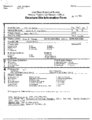
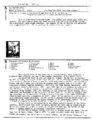
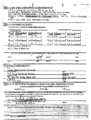
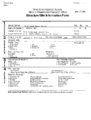
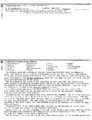
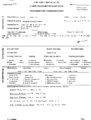
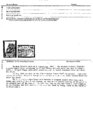
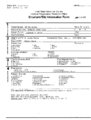
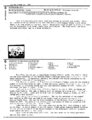
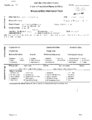
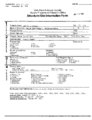
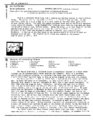
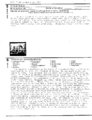
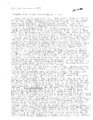
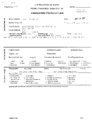
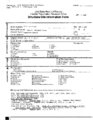
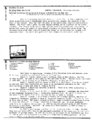
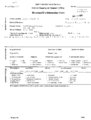
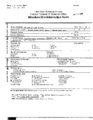
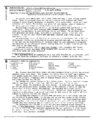
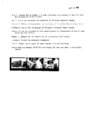
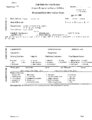
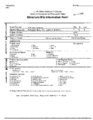
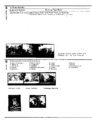
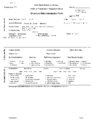
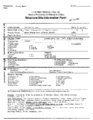
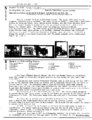
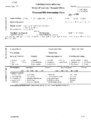
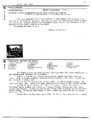
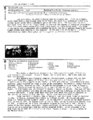
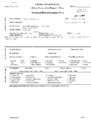
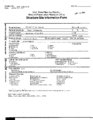
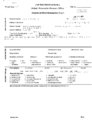
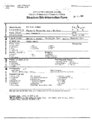
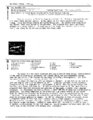
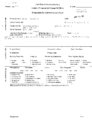
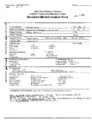
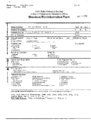
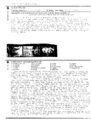
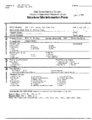
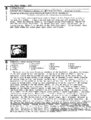
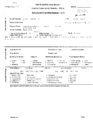
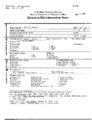
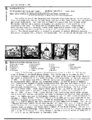
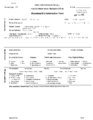
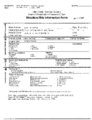
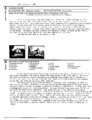
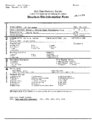
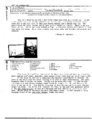
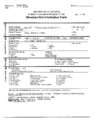
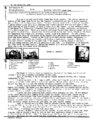
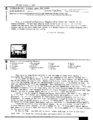
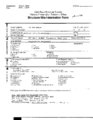
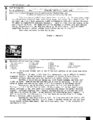
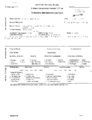
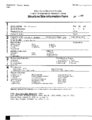
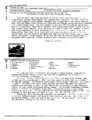
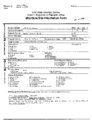
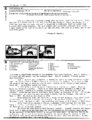
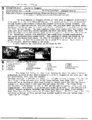
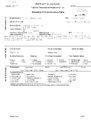
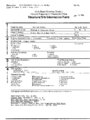
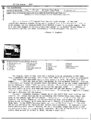
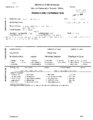
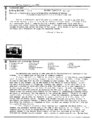
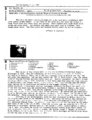
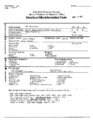
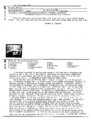
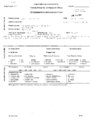
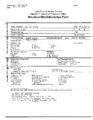
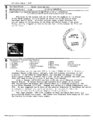
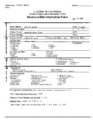
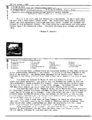
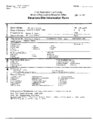
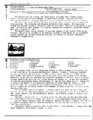
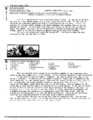
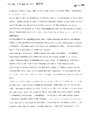
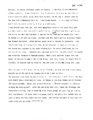
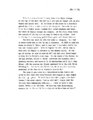
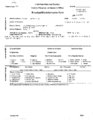
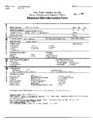
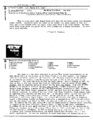
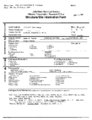
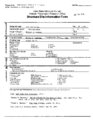
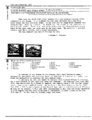
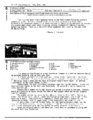
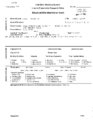
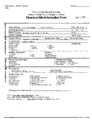
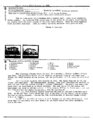
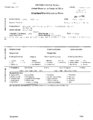
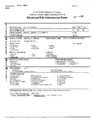
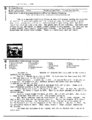
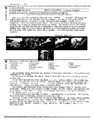
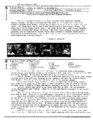
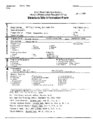
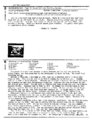
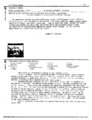
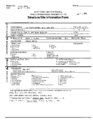
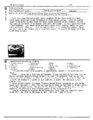
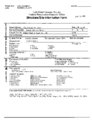
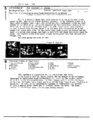
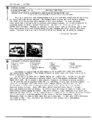
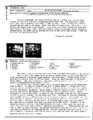
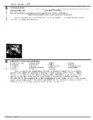
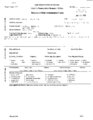
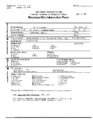
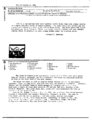
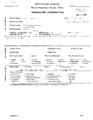
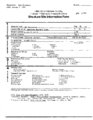
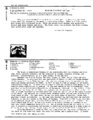
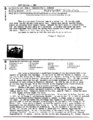
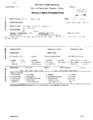
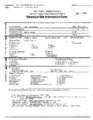
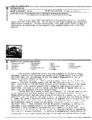
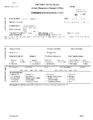
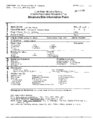
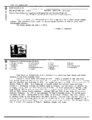
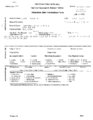
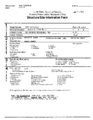
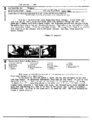
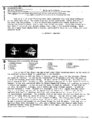
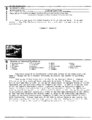
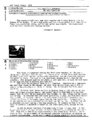
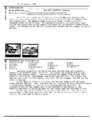
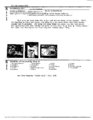
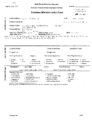
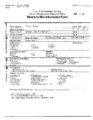
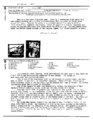
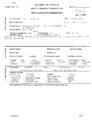
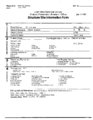
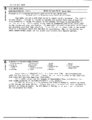
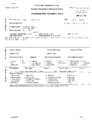
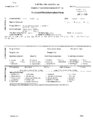
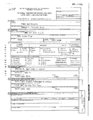
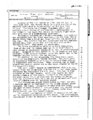
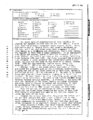
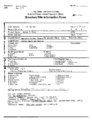
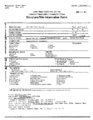
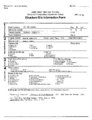
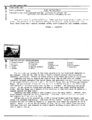
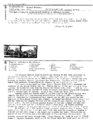
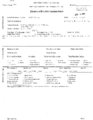
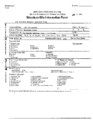
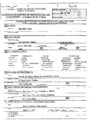
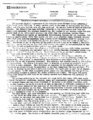
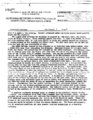
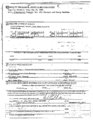
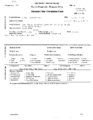
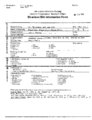
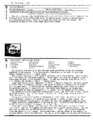
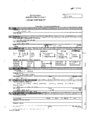
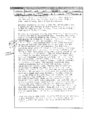
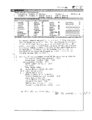
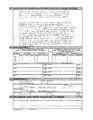
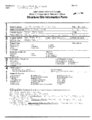
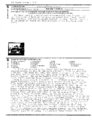
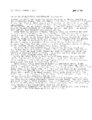
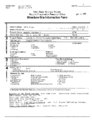
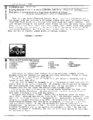
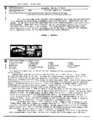
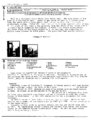
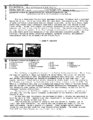
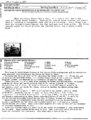
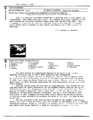
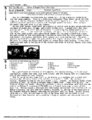
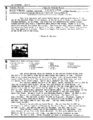
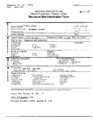
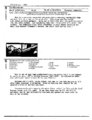
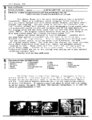
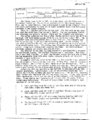
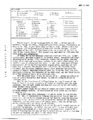
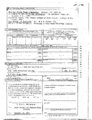
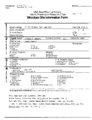
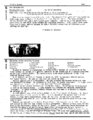
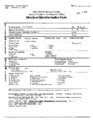
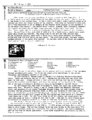
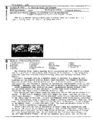
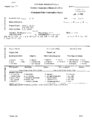
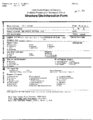
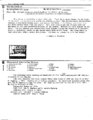
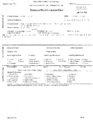
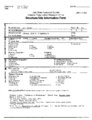
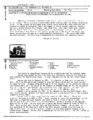
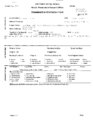
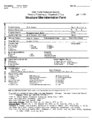
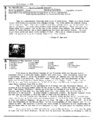
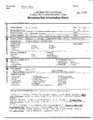
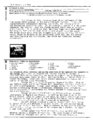
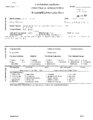
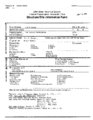
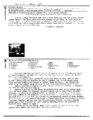
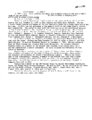
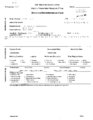
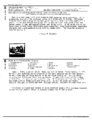
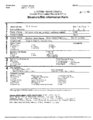
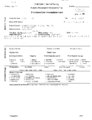
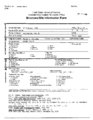
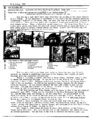
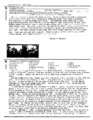
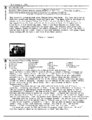
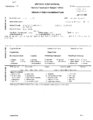
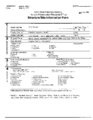
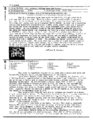
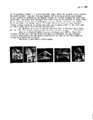
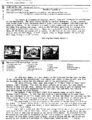
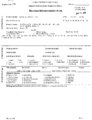
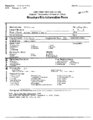
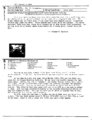
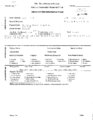
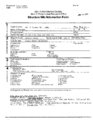
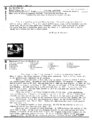
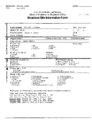
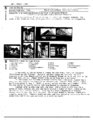
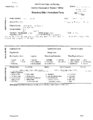
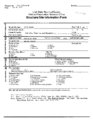
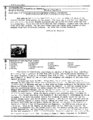
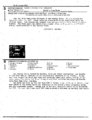
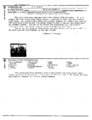
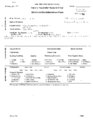
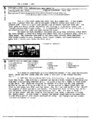
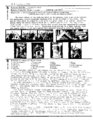
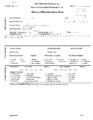
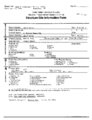
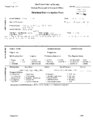
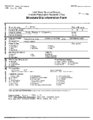
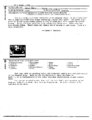
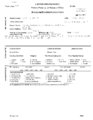
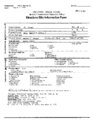
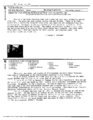
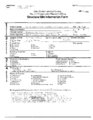
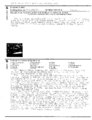
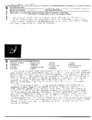
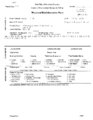
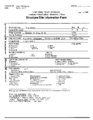
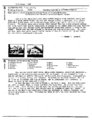
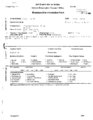
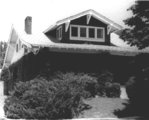
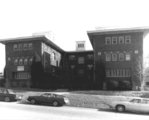
Show 376 2nd Avenue - 1920 5 Architect/Builder: probably Lewis Tele Cajmqn Building Type/Style: "English Cottage" Building Materials: stucco Description of physical appearance & significant architectural features: (Include additions, alterations, ancillary structures, and landscaping if applicable) This is a one-and-one-half-story Bungalow whose design was inspired by the English Cottage. It has long sloping roofs witha notch cut out at the northeast corner for the entry with its semi-circular porch roof. The house has small casement windows and at the rear south-east corner is a garage with a hip roofed sleeping porch above, a popular feature in the 1920 f s, -Thomas W. Hanchett Statement of Historical Significance: a D D a D Aboriginal Americans Agriculture Architecture The Arts Commerce a a D a D Communication Conservation Education Exploration/Settlement Industry Q D O D D Military Mining Minority Groups Political Recreation Q Religion O Science a Socio-Humanitarian Q Transportation This house is significant because it was the home of Lewis Telle Cannon, a well-known Salt Lake architect. The design was inspired by the English Cottage Style. It was built by Martha Howell Cannon, wife of Lewis Telle Cannon, the senior part ner in the Cannon and Fetzer firm. Before the firm was formed, he was one of the archi tects for the Deseret Gym and the administration building of the University of Utah. In 1909 the Cannon-Fetzer Firm was organized. They designed the Utah State building at the Panama-Pacific Exposition in San Francisco and the exposition in San Diego. They also designed the Deseret Trust National Bank, now the First Security Bank, at the corner of 1st South and Main. They designed schools and hotels throughout Utah including West High School. In 1937 he became senior partner of the firm, Cannon and Mullen. Cannon, a son of George Q. Cannon and Martha Telle Cannon, was born in Salt Lake on April 22, 1872. His father was a Mormon Church leader and a political leader in the territory. He received a bachelor of architecture from Massachusetts Institute of Technology. He taught at the Utah State Agricultural College at Logan for two years before he went on an LDS mission to Germany for three years. When he returned to Utah he worked for George Cannon Association and as a secretary to Congressman Joseph Horwell. Cannon was an active civic and church leader. He was a director of the Zion's Savings Bank and Trust Company. He was a member of the LDS Young Men's Mutual Improve ment Association General Board for thirty years. He was a member of the 33rd Ward bishop ric for several years. He died in 1946. His wife Martha Howell Cannon continued to live in the house until 1968. The house was converted into apartments after his death. |