| OCR Text |
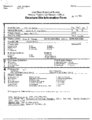
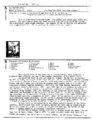
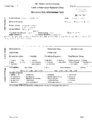
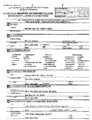
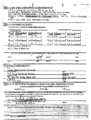
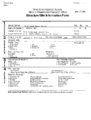
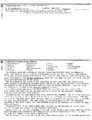
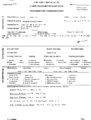
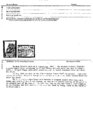
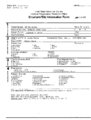
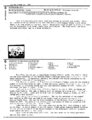
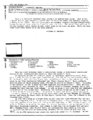
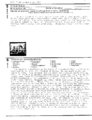
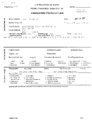
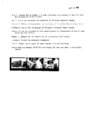
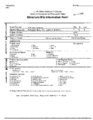
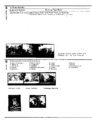
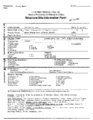
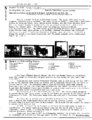
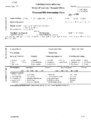
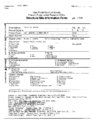
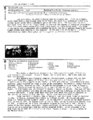
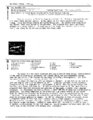
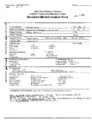
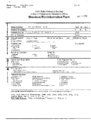
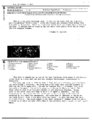
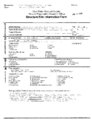
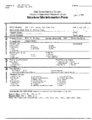
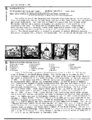
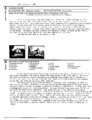
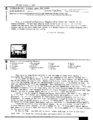
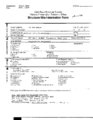
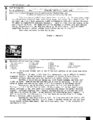
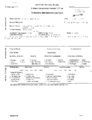
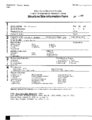
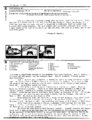
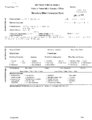
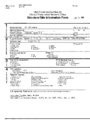
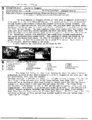
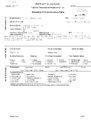
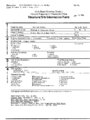
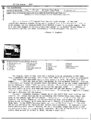
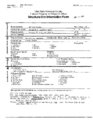
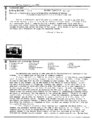
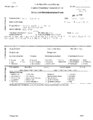
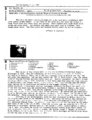
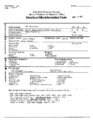
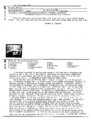
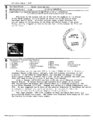
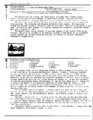
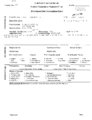
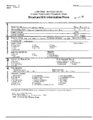
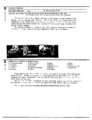
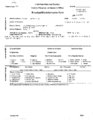
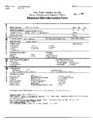
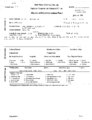
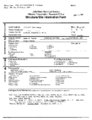
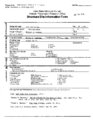
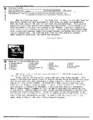
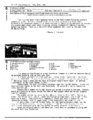
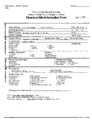
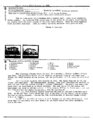
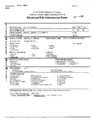
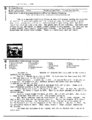
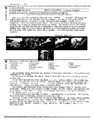
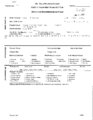
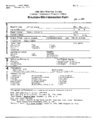
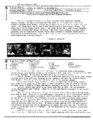
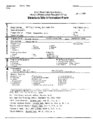
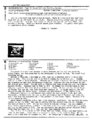
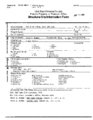
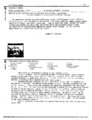
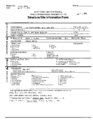
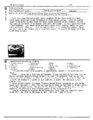
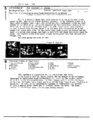
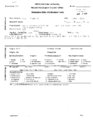
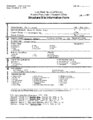
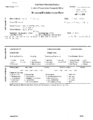
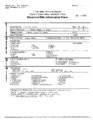
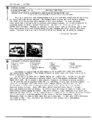
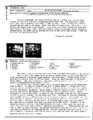
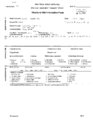
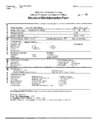
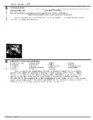
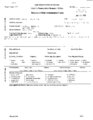
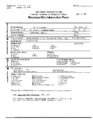
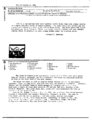
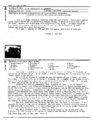
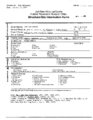
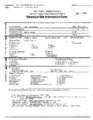
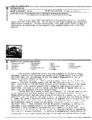
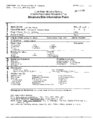
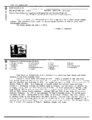
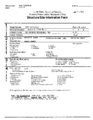
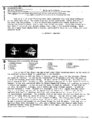
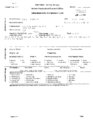
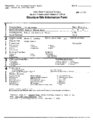
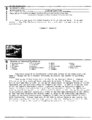
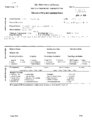
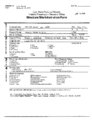
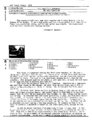
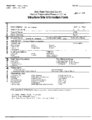
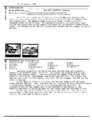
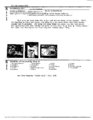
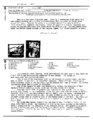
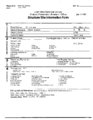
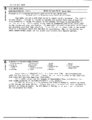
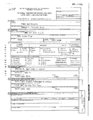
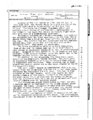
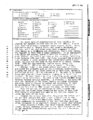
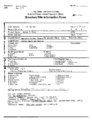
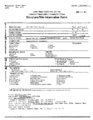
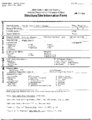
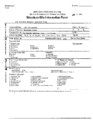
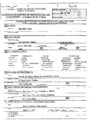
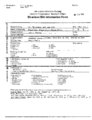
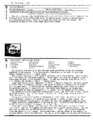
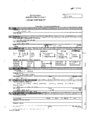
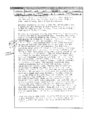
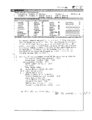
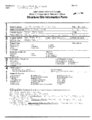
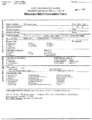
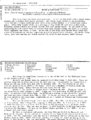
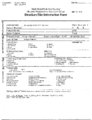
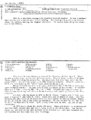
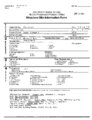
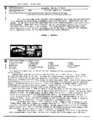
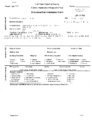
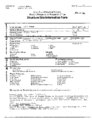
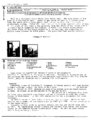
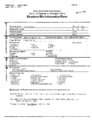
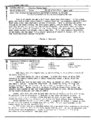
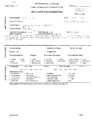
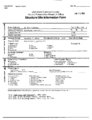
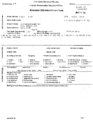
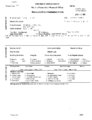
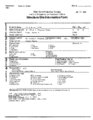
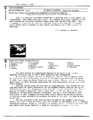
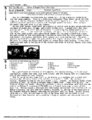
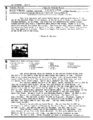
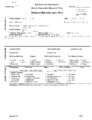
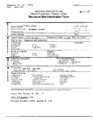
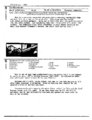
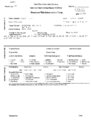
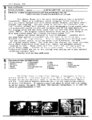
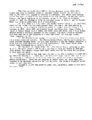
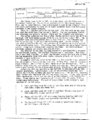
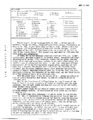
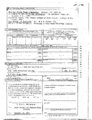
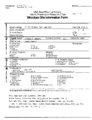
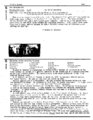
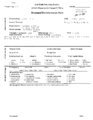
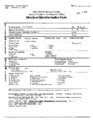
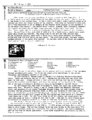
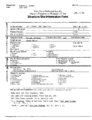
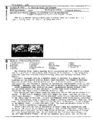
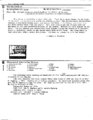
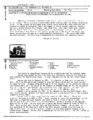
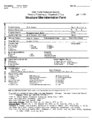
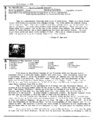
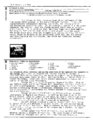
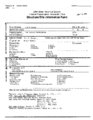
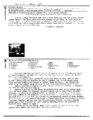
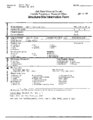
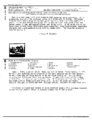
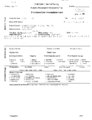
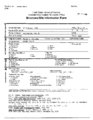
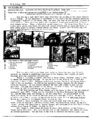
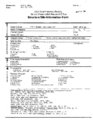
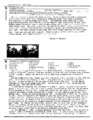
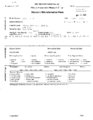
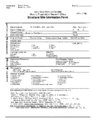
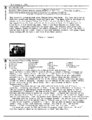
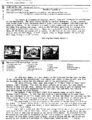
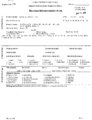
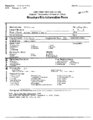
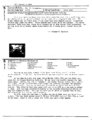
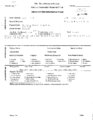
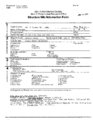
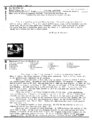
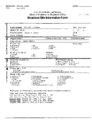
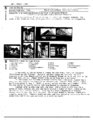
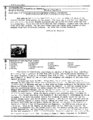
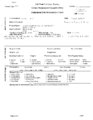
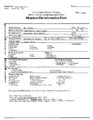
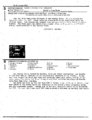
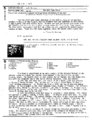
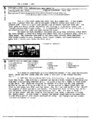
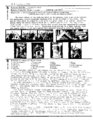
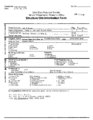
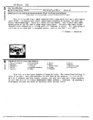
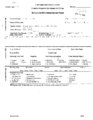
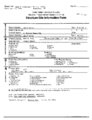
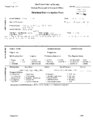
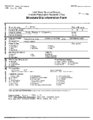
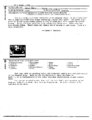
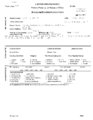
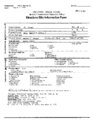
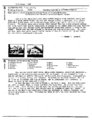
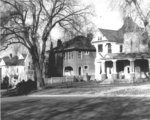
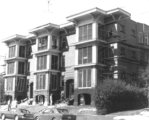
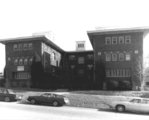
Show 5 Arcnitect/Builder: John C. Craig/ Wallace Branstord RuiiHinn Pressed 'IgiSSi-gSil brick and Ruildinn Building A/iataHaioMaterials: Iggg Building Tvni Type/Style: D.f,Sf©ription of physical appearance & significant architectural features: * * (Include additions, alterations, ancillary structures, and landscaping if applicable) The Louise Grace Emery Apts. are a three story building of buff colored pressed brick.. There is a parapet along the top and a cornice with brackets and dentil molding of white Sanpete sandstone, or possibly white terra cotta. Below is a wide sandstone belt course. The windows with sills and wide lintels, also of sandstone. The entry ways are trimmed in carved sandstone or white terra cotta. The building frontage is 148 1/2 ft. on the First Avenue side and 84 1/2 ft. on other sides. There are three sections with seperate entrances to the building. There are six apartments in each building, two on each floor. On the first floor, each apartment ahs seven rooms, exclusive fo bathrooms, pantry, china and linen closets. On the two upper floors each apartment contains eight rooms making 18 apartments in all. An interesting feature of the front entrances are the vestibules laid in blue and white masaic tilling and wainscoted in recessed panelled dark oak. A unique feature of the time was the installation of "speaking tubes" to each apartment to eliminate the necessity of the hostess or servant walking down from an upper floor to open the main door to the inner halls. A newspaper article from the Salt Lake Tribune, 1902, exclaimed the "modern conveniences of every apartment being equipped with electrical lighting, hot and cold water baths and steam radiators". This apartment block is significant as a very well detailed and proportioned apart ment, and shows the architect's influence in refining a standard apartment plan. 6 > K O </) I Statement of Historical Significance: a O D D Q Aboriginal Americans Agriculture Architecture The Arts Commerce D d D D D Communication Conservation Education Exploration/Settlement Industry O O a a a Military Mining Minority Groups Political Recreation O D a O Religion Science Socio-Humanitarian Transportation Mrs. Susanah Bransford Emery Holmes had this apartment block built for her adopted daughter Louis Grace Emery. Mrs. Holmes, the "Silver Queen of Utah" was a partner with Thomas Kearns and owned a share in the Silver King mine in Park City, Utah. She bought the property, originally part of Brigham Young's estate, from the estate of Luna Young Thatcher for $30,000. The builder was Wallace Bransford, Mrs. Holmes nephew. Wallace Branford's father John S., was Mayor of Salt Lake from 1907-1912, and lived at #148 1st Ave. John C. Craig, the architect, was from Chicago. He added many new inventions of the day including mail boxes, speaking tubes to the entrance, a button to open the frount door, electric lights, and plumbing. The building had a steam furnace, a laundry and rooms for a janitor in the basement. Newspapers canned articles on its construction describing it as one of the finest in this area of the country and very similar to flats in New York and Chicago. The building was originally set back from ]st Avenue so it had a front lawn and was surrounded by green areas. On the east one can see the remains of the original stone wall that first encircled Brigham Young's estate. The Daily Republican wrote and editorial in which he described the Apartments as a great addition to the area because they were replacing the old cobblestone wall and the unsightly buildings. The Apartments cost $60,000 to build and they were finished around February of 1903. A Salt Lake Herald article on August 3, 1902 listed the people who planned to live in the flats. The residents represented the top leadership in their fields. For example, George Blood, a leading mining figure and later governor of the state lived here. Othe residents included: |