| OCR Text |
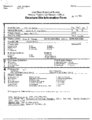
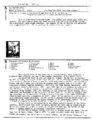
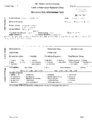
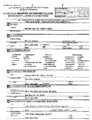
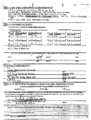
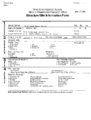
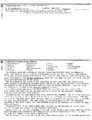
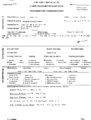
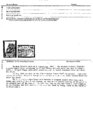
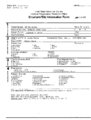
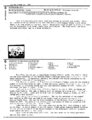
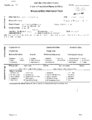
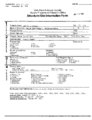
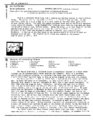
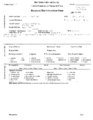
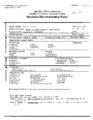
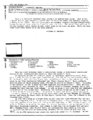
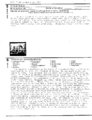
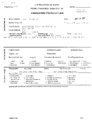
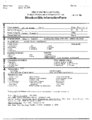
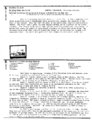
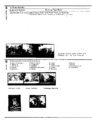
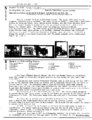
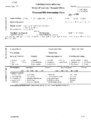
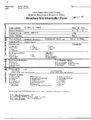
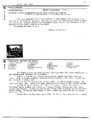
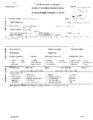
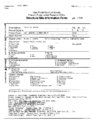
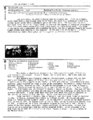
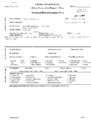
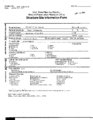
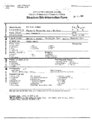
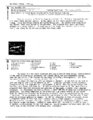
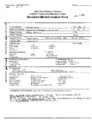
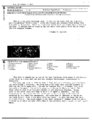
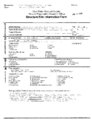
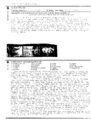
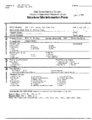
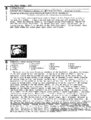
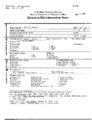
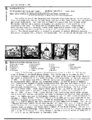
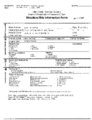
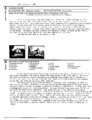
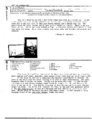
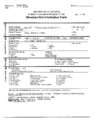
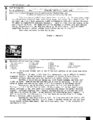
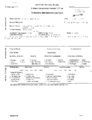
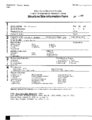
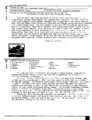
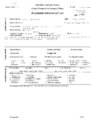
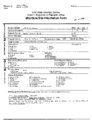
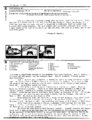
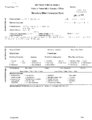
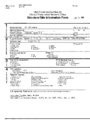
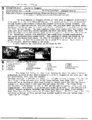
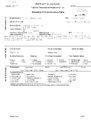
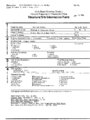
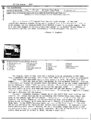
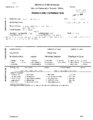
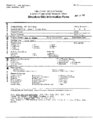
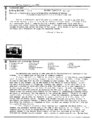
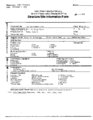
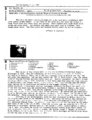
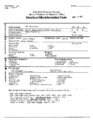
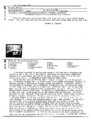
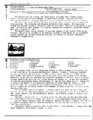
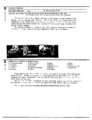
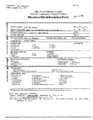
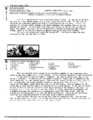
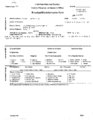
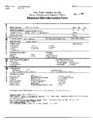
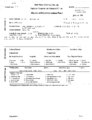
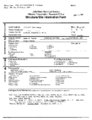
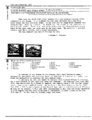
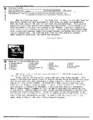
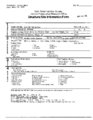
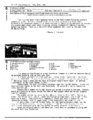
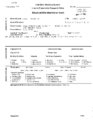
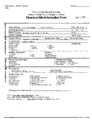
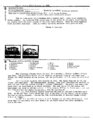
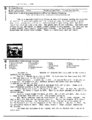
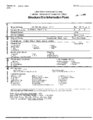
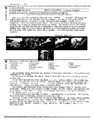
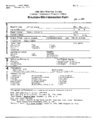
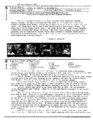
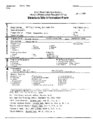
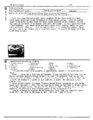
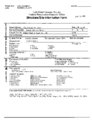
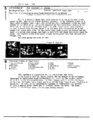
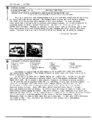
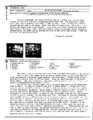
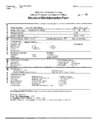
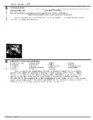
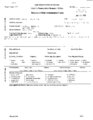
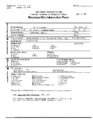
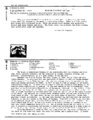
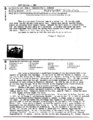
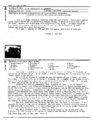
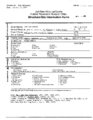
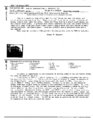
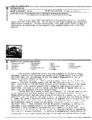
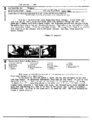
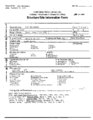
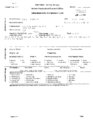
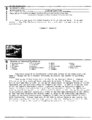
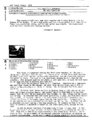
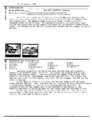
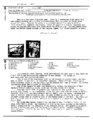
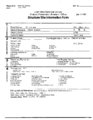
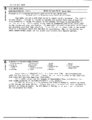
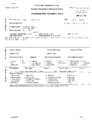
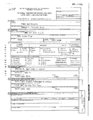
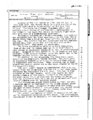
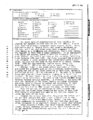
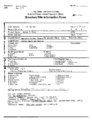
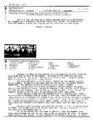
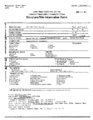
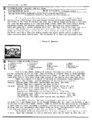
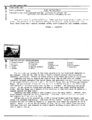
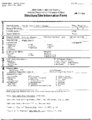
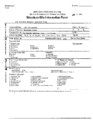
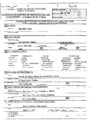
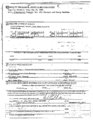
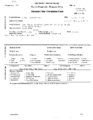
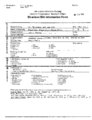
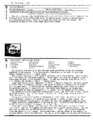
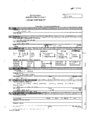
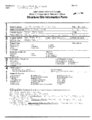
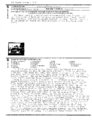
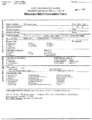
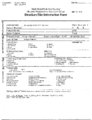
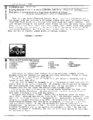
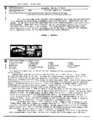
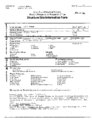
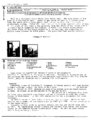
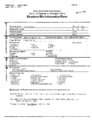
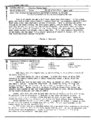
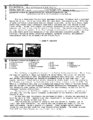
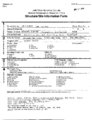
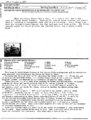
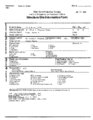
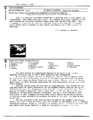
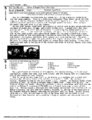
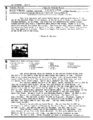
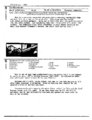
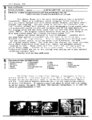
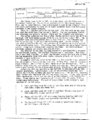
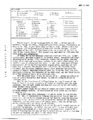
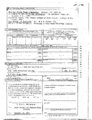
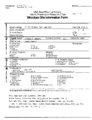
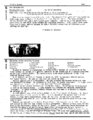
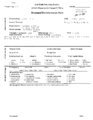
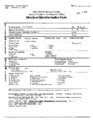
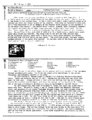
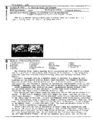
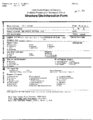
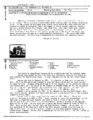
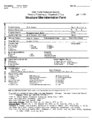
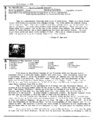
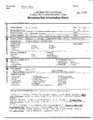
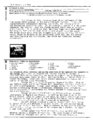
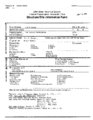
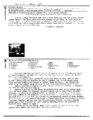
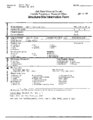
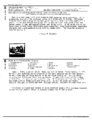
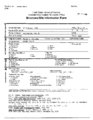
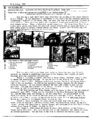
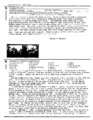
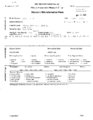
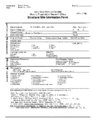
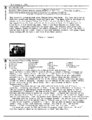
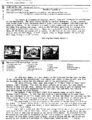
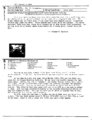
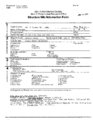
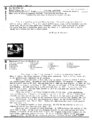
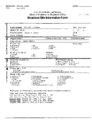
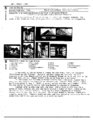
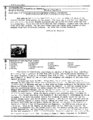
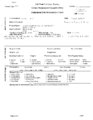
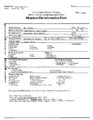
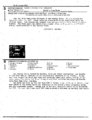
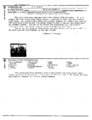
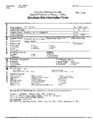
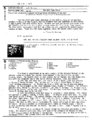
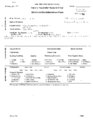
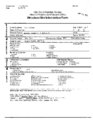
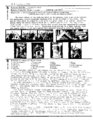
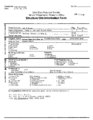
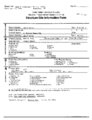
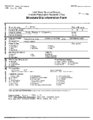
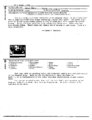
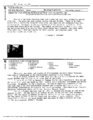
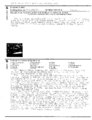
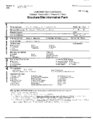
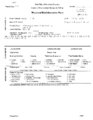
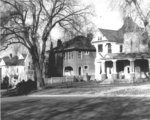
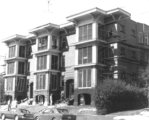
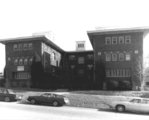
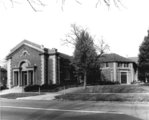
Show R g<-rooj--1 QDft Ul oc D u HI o oc Architect/Builder: Ware and Treganza/ E,R,.W, Terrlon Building Type/Style: Prairie Stvle Building Materials: brick Description of physical appearance & significant architectural features: (Include additions, alterations, ancillary structures, and landscaping if applicable) This is a three-story Prairie Style apartment building, "U"-shaped with a courtyard facing the street. Roofs are almost flat with very broad, overhanging eaves. Walls are of brown and yellow clinke brick with red clinder brick trim. On the third floor, small double hung windows form a horizontal band with a red brick sill that extends to form a best course. Second floor windows are similar, surrounded by red brick with square concrete, and blue ceramic tile decoration at the corners. The window areas are flanked by larger decorative panels. First floor windows are horizontal rows of casement windows set under heavy porch-like extensions of red brick with more decorative panels. The building's projecting eaves, horizontal emphasis, earthtone coloring, and geometric ornamentation mark it as an example of the Prairie Style. -Thomas W. Hanchett Statement of Historical Significance: a a Q D D Aboriginal Americans Agriculture . Architecture The Arts Commerce O a a D D Communication Conservation Education Exploration/Settlement Industry a O a a D Military Mining Minority Groups Political Recreation D a D D Religion Science Socio-Humanitarian Transportation This building is significant because of its Prairie Style construction. The building was built by Lynville C. Riter and Isabella M. Calder Riter, his mother, for $40,000. When constructed in 1908, the Caithness Apartments were pronounced "one of the most modern, well-appointed and attractive apartment houses of Salt Lake City." Its owners, Lynville C. Riter and his mother, Isabella M. Glader Riter, built the complex at 86 B Street, a portion of the land inherited by Mrs. Riter from her mother in 1899. The Riter 1 s, a prosperous Salt Lake City business and engineering family of Scottish descent, used the talents of Ware and Treganza, a prominant architectural partnership in Salt Lake City during the first quarter of this century, for this building, as they did for two subsequent business constructions. The apartments at 86 B Street remained in the ownership of the Riter family until 1933 when they lost the heavily mortgaged establishment to the Equitable Life Assurity Society of Utah. In that same year the property was purchased by Zella L. Roberts who maintained it until her death in 1959. Ownership was then transferred to her daughter and the current owner, Carol R. Bunnel, of Salt Lake City. This building was designed by Walter E, Ware and Alberto 0, Treganza, two of Utah's best known architects. The firm of Ware and Treganza was formed in 1901 and their partnership lasted a quarter of a century. Their designs reflect various styles but they are best known for their Prairie School designs. The Ladies Literary Club (850 East South Temple) was one of their later designs. |