| OCR Text |
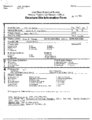
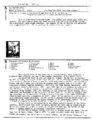
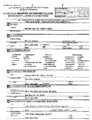
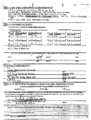
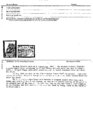
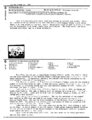
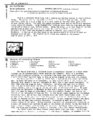
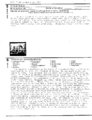
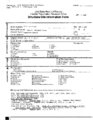
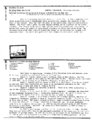
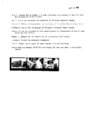
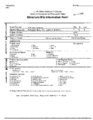
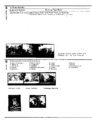
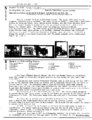
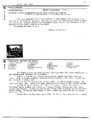
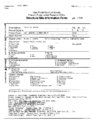
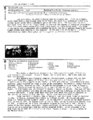
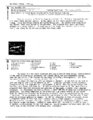
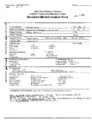
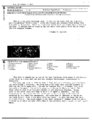
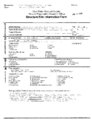
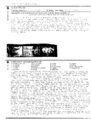
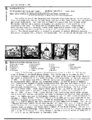
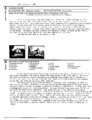
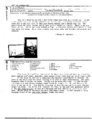
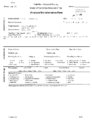
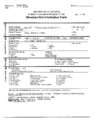
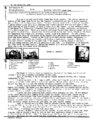
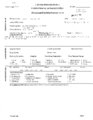
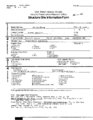
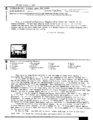
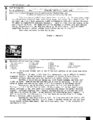
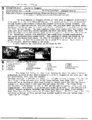
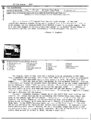
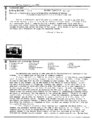
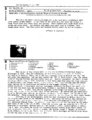
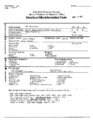
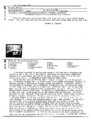
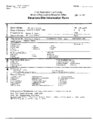
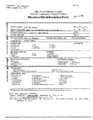
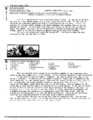
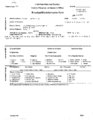
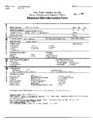
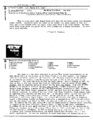
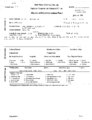
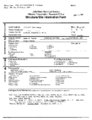
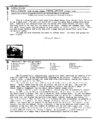
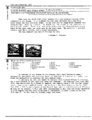
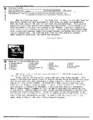
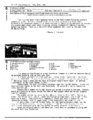
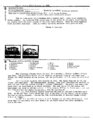
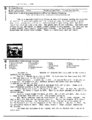
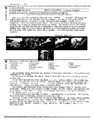
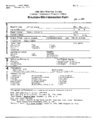
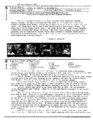
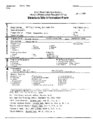
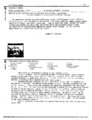
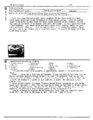
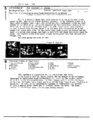
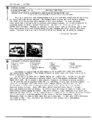
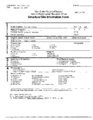
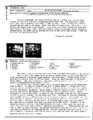
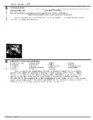
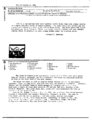
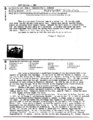
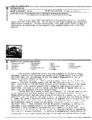
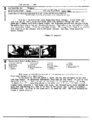
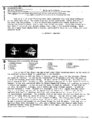
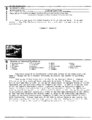
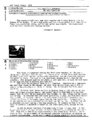
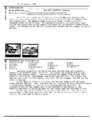
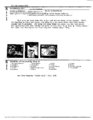
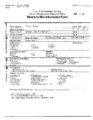
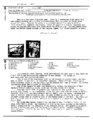
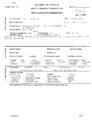
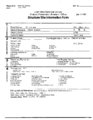
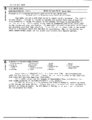
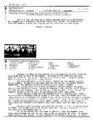
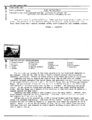
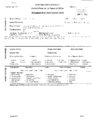
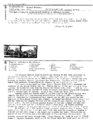
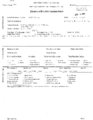
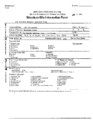
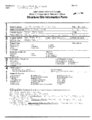
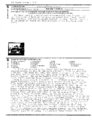
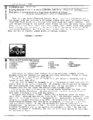
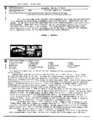
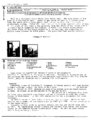
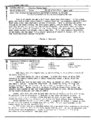
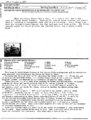
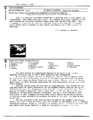
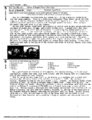
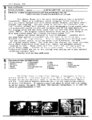
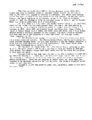
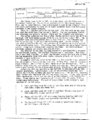
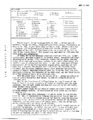
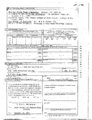
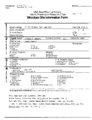
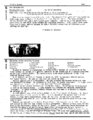
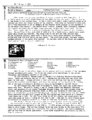
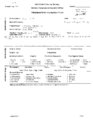
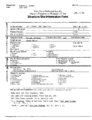
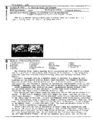
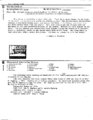
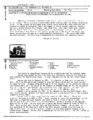
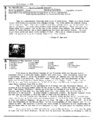
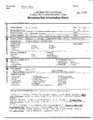
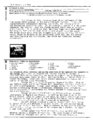
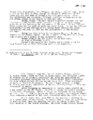
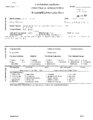
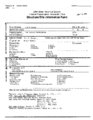
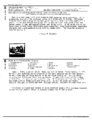
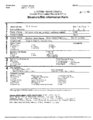
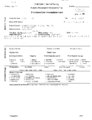
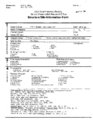
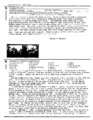
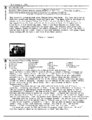
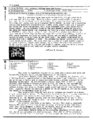
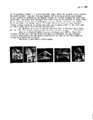
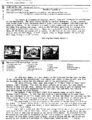
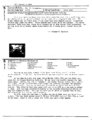
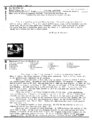
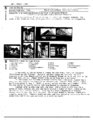
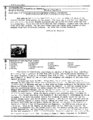
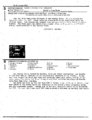
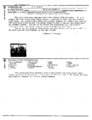
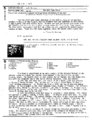
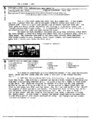
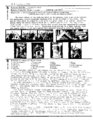
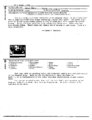
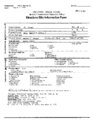
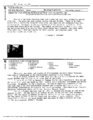
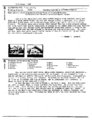
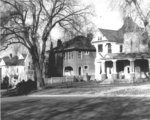
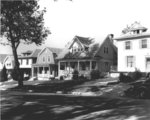
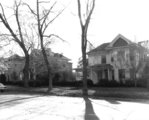
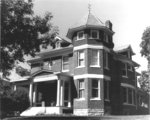
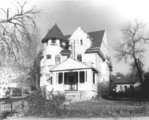
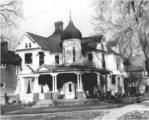
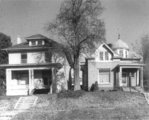
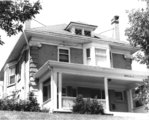
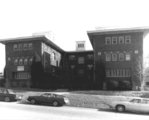
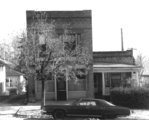
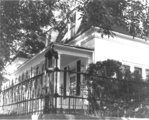
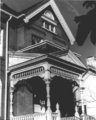
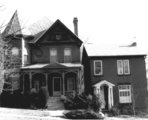
Show 175 A Street - 1889 Architect/Builder: Building Type/Style: Queen Anne Building Materials: brick Description of physical appearance & significant architectural features: (Include additions, alterations, ancillary structures, and landscaping if applicable) This is a two-story brick Queen Anne Style home. The main block of the home is a hip-roofed cube. Added to the front of this is a center tower over the entry with a steep gable roof, heavy cornice, and fish scale wopdshingle siding. Below the tower cornice is a large semi-circular window To the south of the tower a bay projects from the front of the house with a two-story brick segmental bay window. A broad flat roofed porch covers the first floor of the house,topped by a low railing, and supported by paired Ionic Columns on brick piers. The porch has been partly enclosed. -Thomas W. Hanchett Statement of Historical Significance: ce O (A X D Aboriginal Americans D Agriculture ^^Architecture Q The Arts D Commerce D Q D Q D Communication Conservation Education Exploration/Settlement Industry D Military Q Mining a Minority Groups B'PoUtical D Recreation (^Religion D Science ST.Socio-Humanitarian O Transportation This house is significant because it was built and occupied by Franklin S. and Emily S. Richards lived here. Franklin S. Richards was an LDS attorney who pleaded many of the polygamy cases before the U.S. Supreme Court. Emily S. Richards was a leading Utah Suffragette. Richards £1849r-2.9i34) a son of Franklin D. Richards, a Mormon apostle and Jane Snyder, He married a woman suffrage leader, was born in Salt Lake Emily S. Tanner in 1868. Richards was clerk of the probate court and county recorder in Ogden. He studied law and was admitted to the Utah Bar in 1874. He served as a delegate from Ogden to 3 Utah constitutional conventions and was a delegate to take the consti tution to Washington. In the 1896 convention he was a spokesman for woman suffrage. In 1884 he moved to Salt Lake to work as city attorney. While in Salt Lake he was a member of the legislature in 1889 and 1890. He was 'president of "the upper house. Richards is best known as general council for the LDS Church from 1880 to 1934. He represented Rudger Clawson and Lorenzo Snow before the Supreme Courts in the Edmunds-Tucker cohabitation cases. In 1877 he also helped settle Brigham Young's Estate. |