| OCR Text |
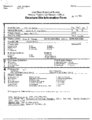
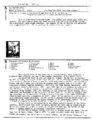
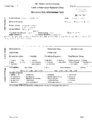
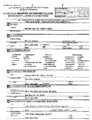
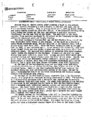
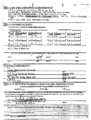
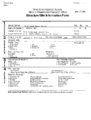
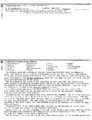
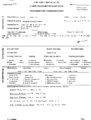
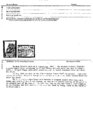
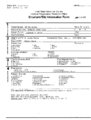
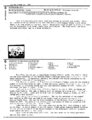
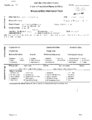
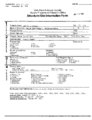
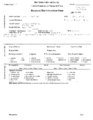
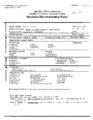
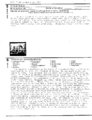
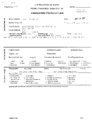
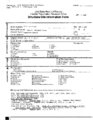
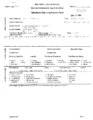
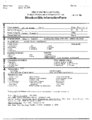
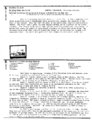
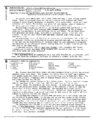
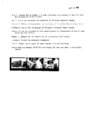
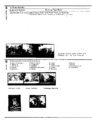
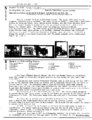
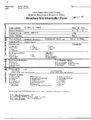
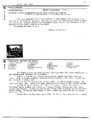
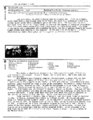
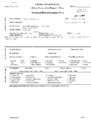
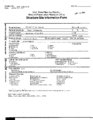
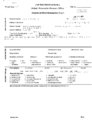
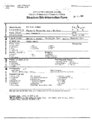
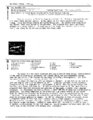
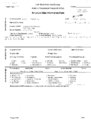
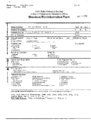
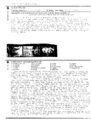
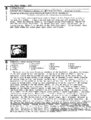
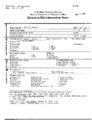
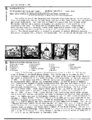
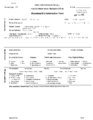
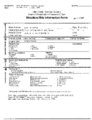
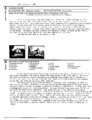
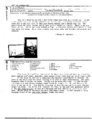
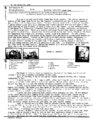
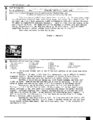
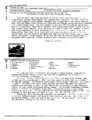
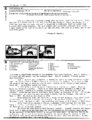
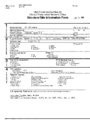
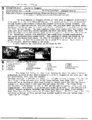
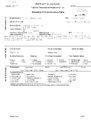
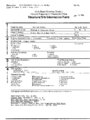
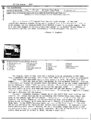
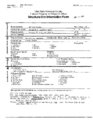
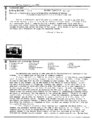
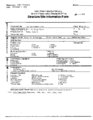
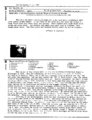
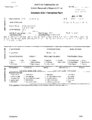
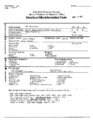
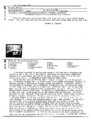
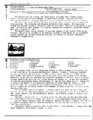
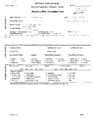
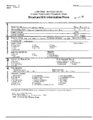
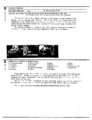
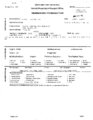
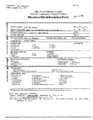
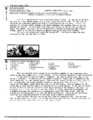
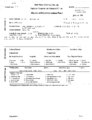
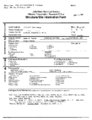
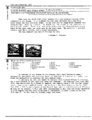
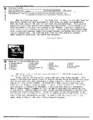
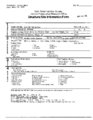
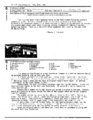
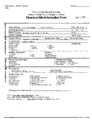
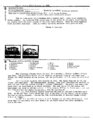
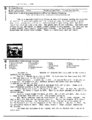
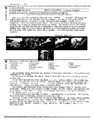
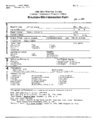
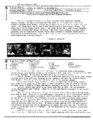
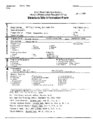
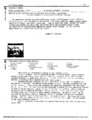
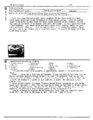
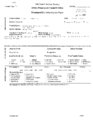
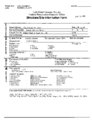
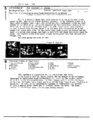
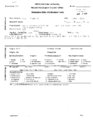
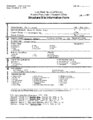
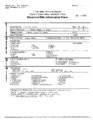
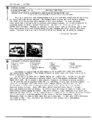
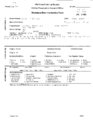
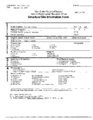
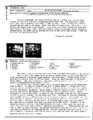
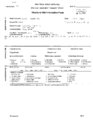
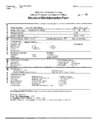
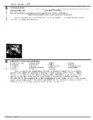
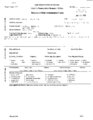
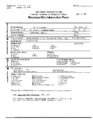
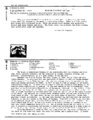
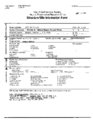
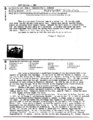
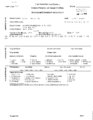
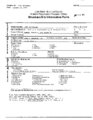
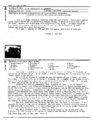
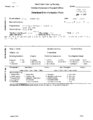
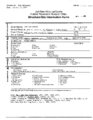
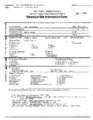
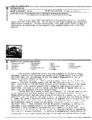
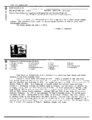
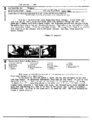
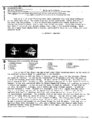
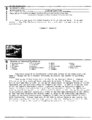
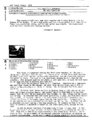
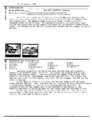
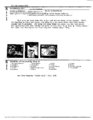
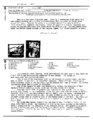
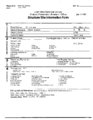
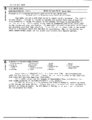
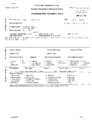
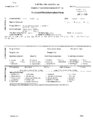
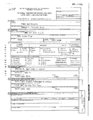
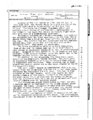
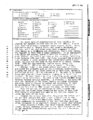
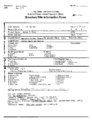
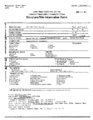
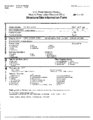
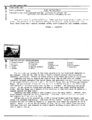
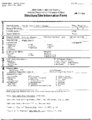
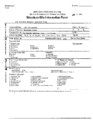
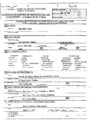
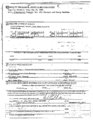
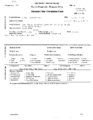
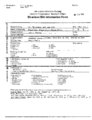
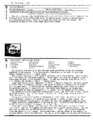
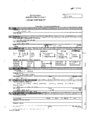
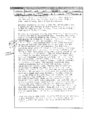
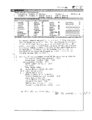
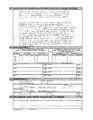
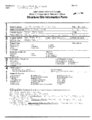
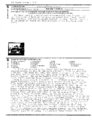
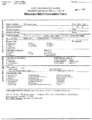
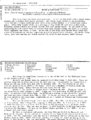
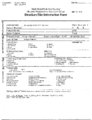
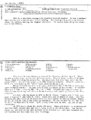
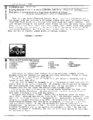
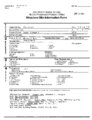
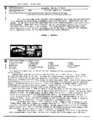
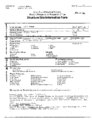
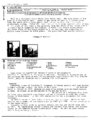
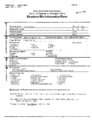
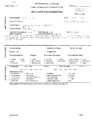
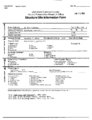
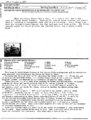
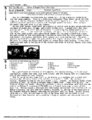
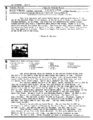
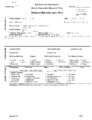
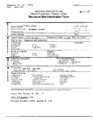
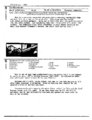
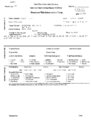
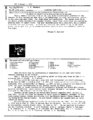
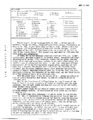
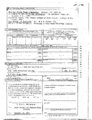
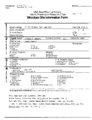
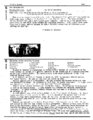
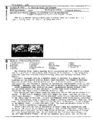
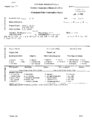
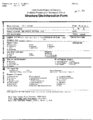
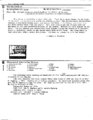
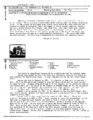
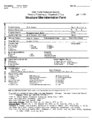
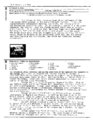
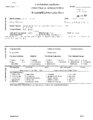
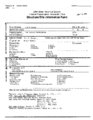
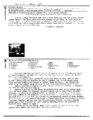
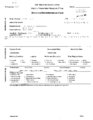
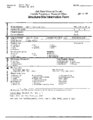
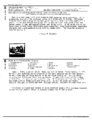
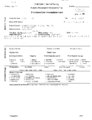
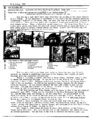
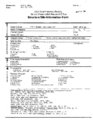
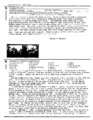
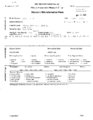
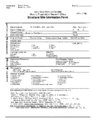
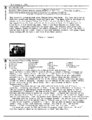
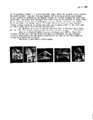
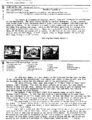
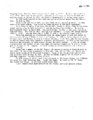
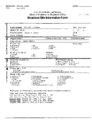
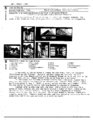
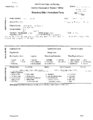
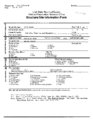
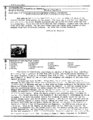
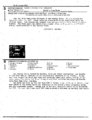
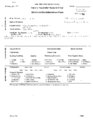
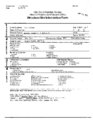
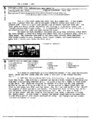
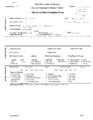
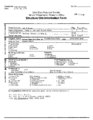
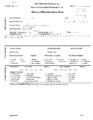
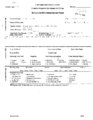
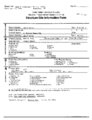
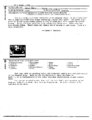
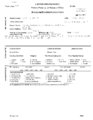
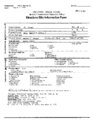
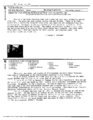
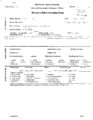
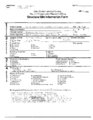
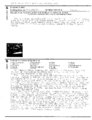
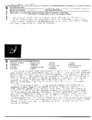
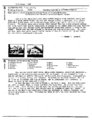
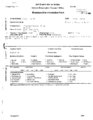
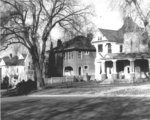
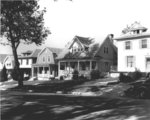
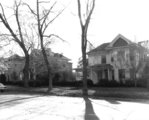
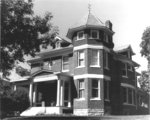
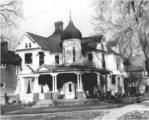
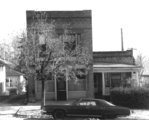
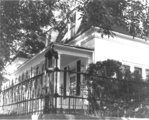
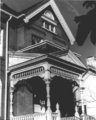
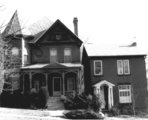
Show 5 140 B Street - 1892 Architect/Builder: Dallas 5 Hedges/Shaw § Roakidge Building Materials: brick Building Type/Style: Description of physical appearance & significant architectural features: (Include additions, alterations, ancillary structures, and landscaping if applicable) This is a prominent two-story home on a corner lot. It has a main hip-roofed block with two large chimneys. There is a projecting rectangular front (west) center bay with a hip roof, and an octagonal northwest corner bay with a segmental hip roof. Eaves have modillion brackets and a wide cornice with triglyphs around the house. Front windows are double-hung with stone sills and lintels. ; The one-story central front porch has a dentilled cornice with spindle-screen work below, two pairs of wooden doric columns, and a brick railing wall. A second story door opens onto its roof. On the north side of the house is a one-story hip roofed porch with a dentilled cornice. It was built half enclosed, half open. The enclosed portion has an oval colored glass window, and a glass brick window that replaced a second oval window. The open section of this side porch has a decorative gable over the entry, spindle screen work beneath the cornice, and wooden doric columns on a brick railing wall. The porch shelters an excellent stepped, art glass window that lights the main stair inside. Above the porch is a large fan window that lights the second floor stair landing. A cast iron fench with gate made in the period by the Stewart Iron Works of Wichita,, Kansas, runs along the>street. Statement of Historical Significance: Q D D D a Aboriginal Americans Agriculture Architecture The Arts , Commerce D O d a Q Communication Conservation Education Exploration/Settlement Industry D a a a D Military Mining Minority Groups Political Recreation D D Q D Religion Science Socio-Humanitarian Transportation The sophisticated architecture of this mansion, its complex massing, brick and stone construction, ornate wood trim, fine north windows, and iron fencing make it; a significant part of the Avenues Historic District. This is one of the many homes built in the Avenues as a residence for a plural wife. Henrietta Dyer Ellerbeck (1842-1915) had this house built in 1892. She was born in England, imigrated to Utah in 1862 as a Mormon (L.D.S.) convert. She married Thomas Witton Ellerbeck in 1863. He served as Brigham Young's chief clerk. Thomas died in 1895. (He lived at 24 East 100 South). Henrietta continued to live in this house until 1903 when she sold it to William F. Armstrong (1870-1940) son of Francis Armstrong, a mayor of Salt Lake City. William became a prominent Salt Lake banker and business man--involved with his father's business, the Salt Lake City electric railroad, in 1908 one of the organizers of the Standard Furniture Company--remaining its president until his death. He had married Edith Mogle in 1894, she continued to live in the house until her own death in 1958. The house was then inherited and occupied by a daughter Margaret and son-in-law Donald E. Penney. |