| OCR Text |
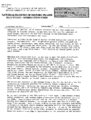
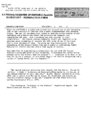
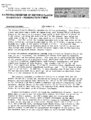
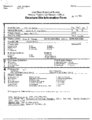
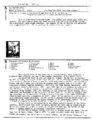
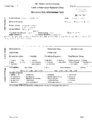
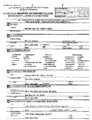
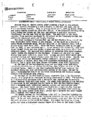
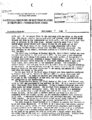
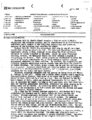
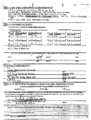
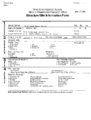
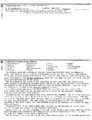
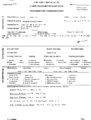
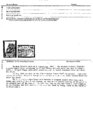
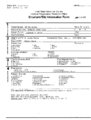
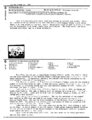
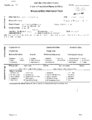
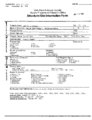
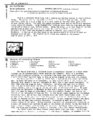
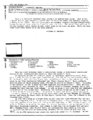
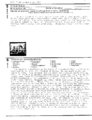
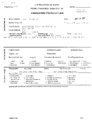
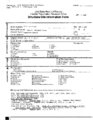
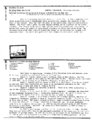
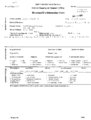
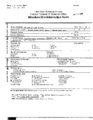
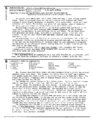
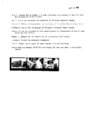
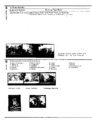
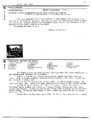
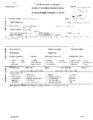
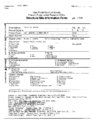
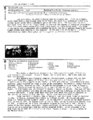
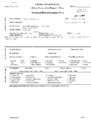
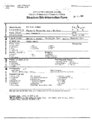
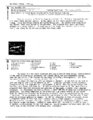
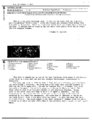
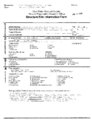
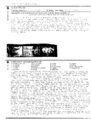
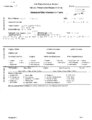
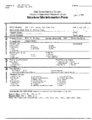
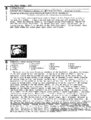
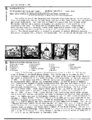
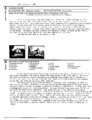
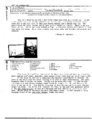
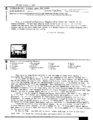
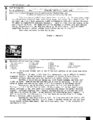
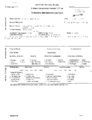
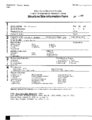
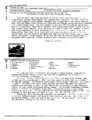
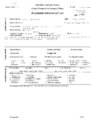
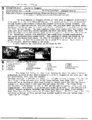
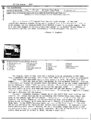
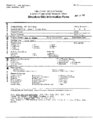
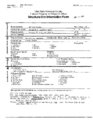
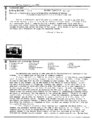
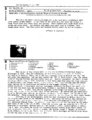
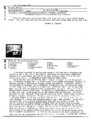
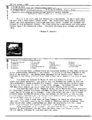
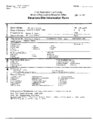
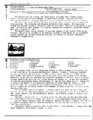
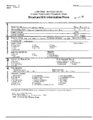
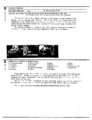
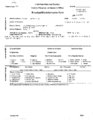
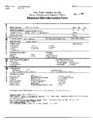
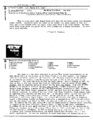
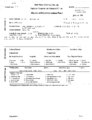
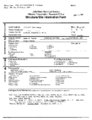
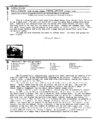
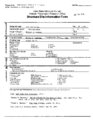
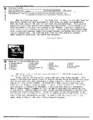
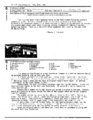
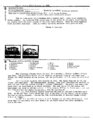
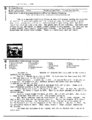
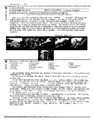
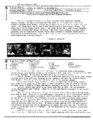
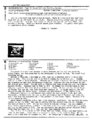
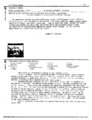
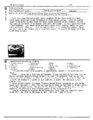
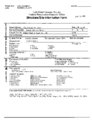
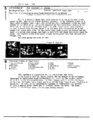
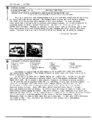
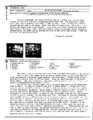
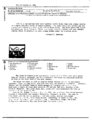
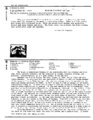
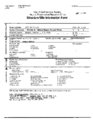
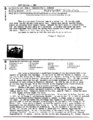
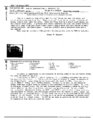
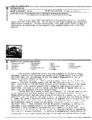
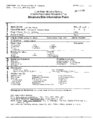
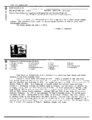
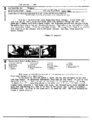
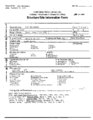
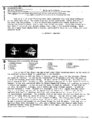
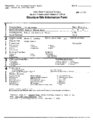
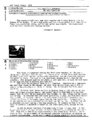
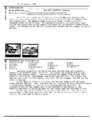
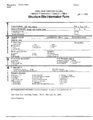
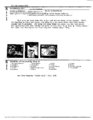
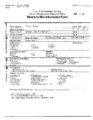
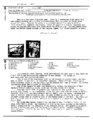
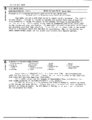
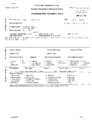
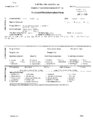
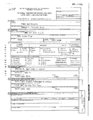
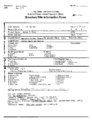
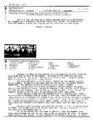
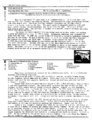
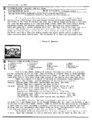
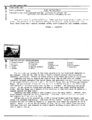
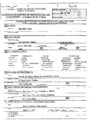
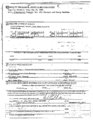
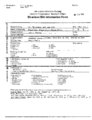
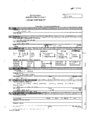
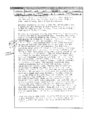
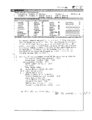
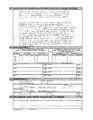
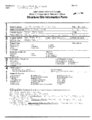
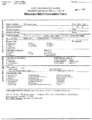
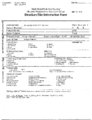
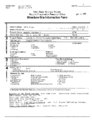
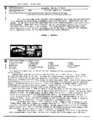
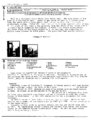
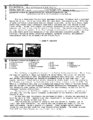
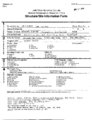
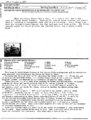
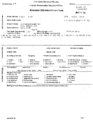
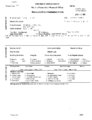
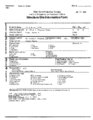
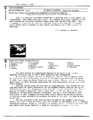
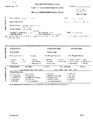
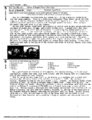
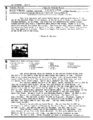
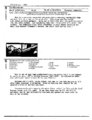
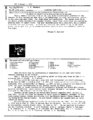
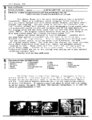
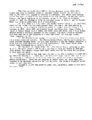
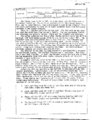
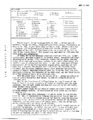
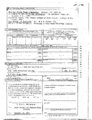
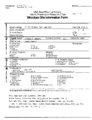
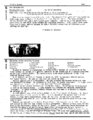
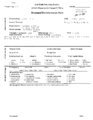
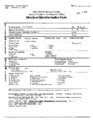
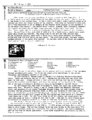
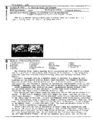
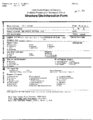
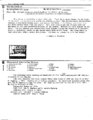
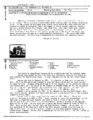
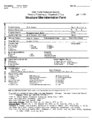
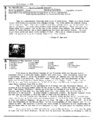
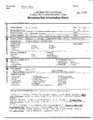
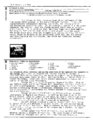
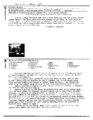
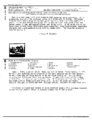
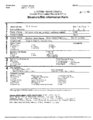
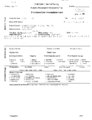
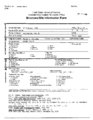
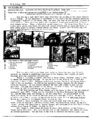
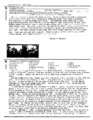
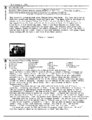
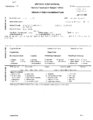
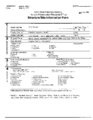
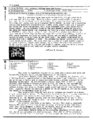
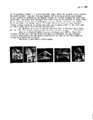
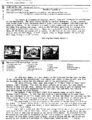
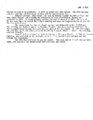
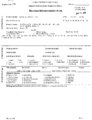
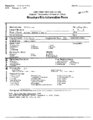
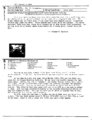
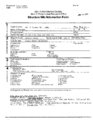
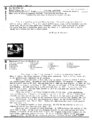
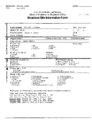
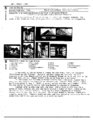
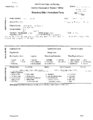
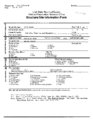
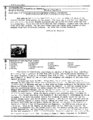
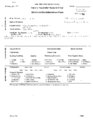
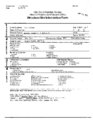
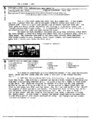
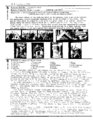
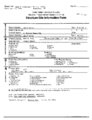
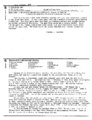
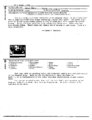
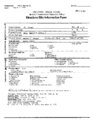
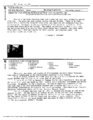
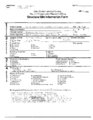
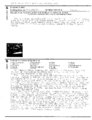
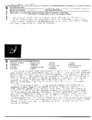
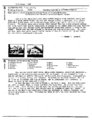
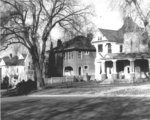
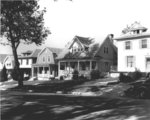
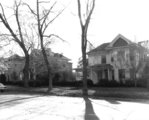
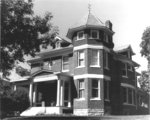
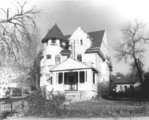
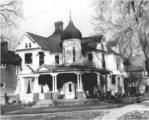
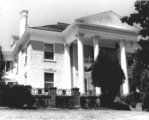
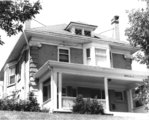
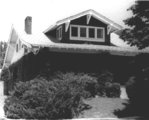
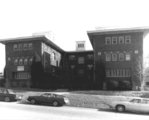
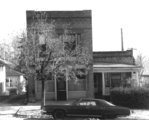
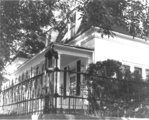
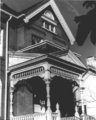
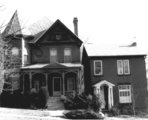
Show 1205 2nd Avenue-ca. 1901 Architect/Builder: Building Materials: wood shingle siding Building Type/Style: Description of physical appearance & significant architectural features: (Include additions, alterations, ancillary structures, and landscaping if applicable) This large two story house shows shingle style and Classical Revival Style influence in its design. It is a gabled box with east additions and a one story porch around the west and south sides. On the roof are two large brick chimneys with corbeled tops. There is a cornice with modillions, and returns in the gable ends in the Classical manner. There is an oval gable window with tiny diamond-shaped square panes in the upper sash, one large pane in the lower sash. The porch has a dentiled cornice, many Doric columns, and a wooden balustrade. The rear addition was made to the home in 1922. -Thomas W. Hanchett Statement of Historical Significance: D Aboriginal Americans D Communication D D Q D D a D a Agriculture Architecture The Arts Commerce Conservation Education Exploration/Settlement Industry D Military D Mining a Religion D Minority Groups a Socio-Humanitarian D Transportation D Political D Recreation a Science In contrast to most houses on the Avenues, which were "builder's homes," designed for the public with the plans drawn and published in house pattern books, this house was designed by an architect for the original owner. It was built ca. 1901 for Martha H. Jennings whose husband William C. Jennings, was a land attorney in Salt Lake City (Grey and Jennings). The Jennings lived here until 1922, when Martha sold it to Robert R. Hampton, and Hampton owned it for the next twenty years. Hampton was a medical doctor. He was born in Box Elder County on May 19, 1875. From 1894 to 1900 he was a member of the Medical Department at the University of Illinois. He then set up practice in Salt Lake City, specializing in ear, nose and throat disorders, In 1941 Hampton sold the house to William S. Worthington, a plant foreman at the Utah Fire Clay Co. In 1954 Frank M. Whitney bought the house. |