| OCR Text |
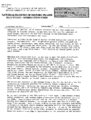
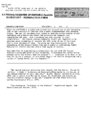
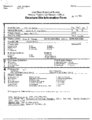
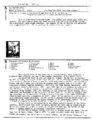
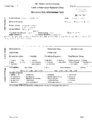
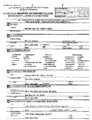
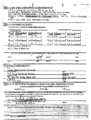
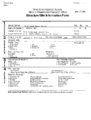
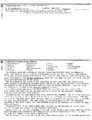
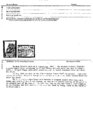
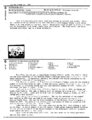
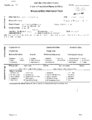
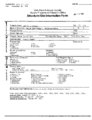
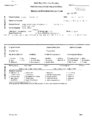
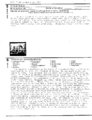
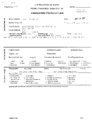
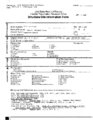
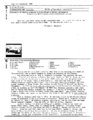
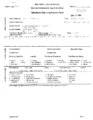
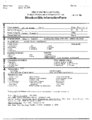
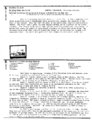
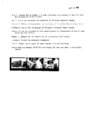
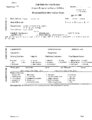
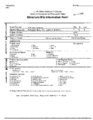
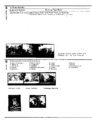
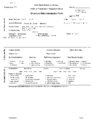
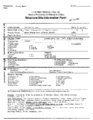
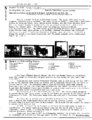
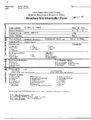
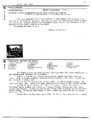
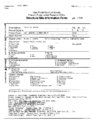
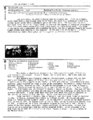
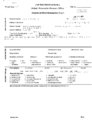
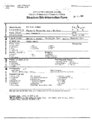
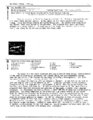
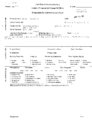
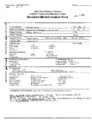
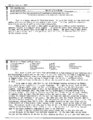
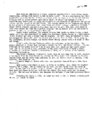
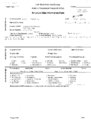
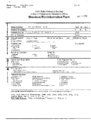
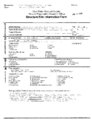
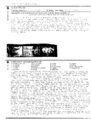
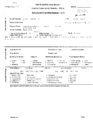
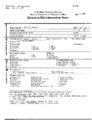
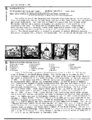
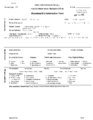
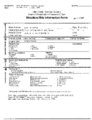
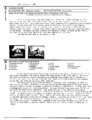
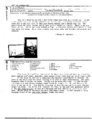
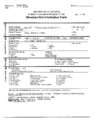
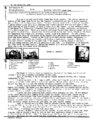
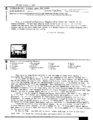
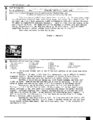
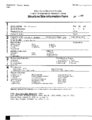
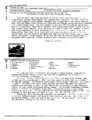
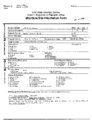
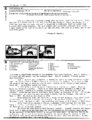
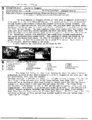
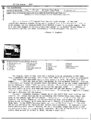
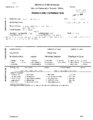
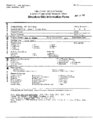
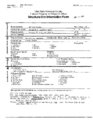
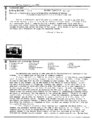
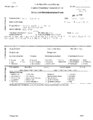
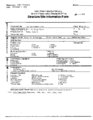
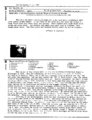
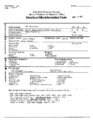
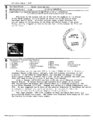
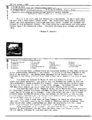
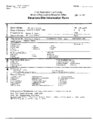
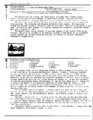
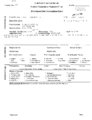
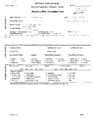
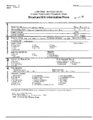
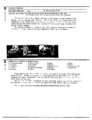
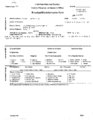
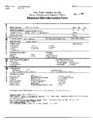
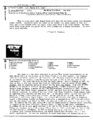
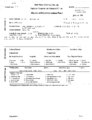
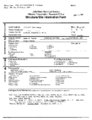
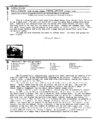
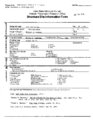
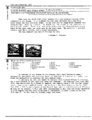
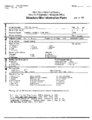
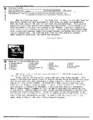
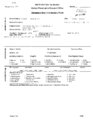
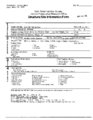
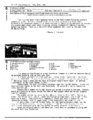
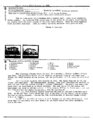
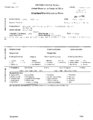
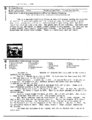
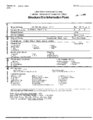
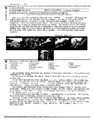
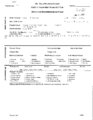
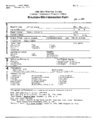
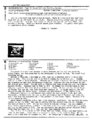
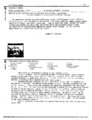
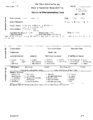
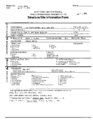
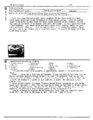
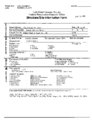
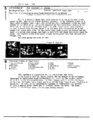
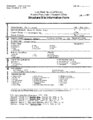
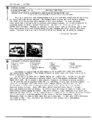
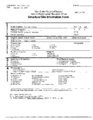
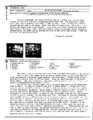
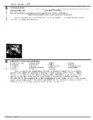
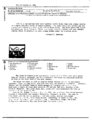
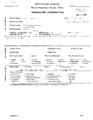
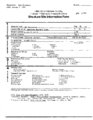
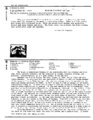
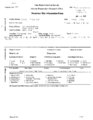
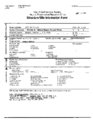
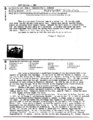
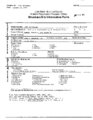
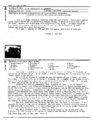
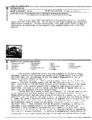
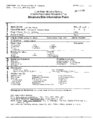
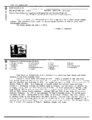
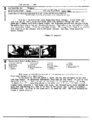
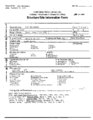
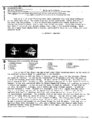
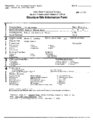
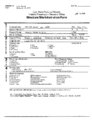
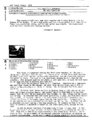
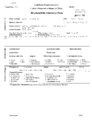
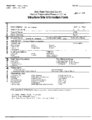
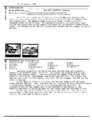
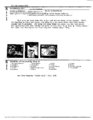
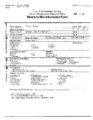
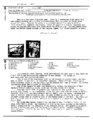
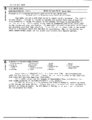
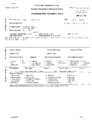
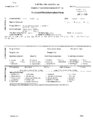
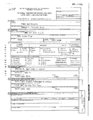
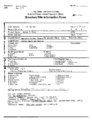
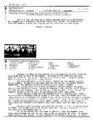
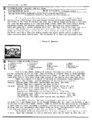
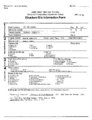
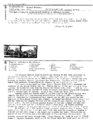
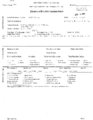
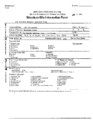
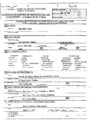
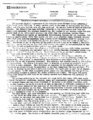
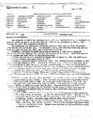
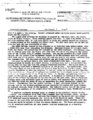
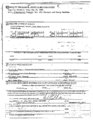
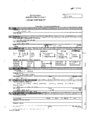
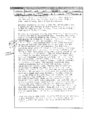
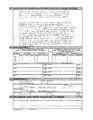
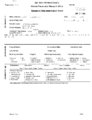
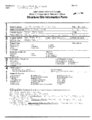
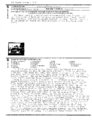
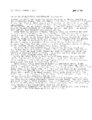
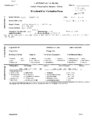
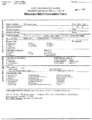
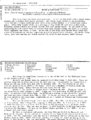
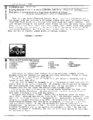
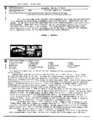
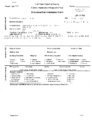
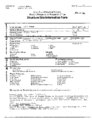
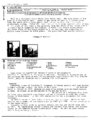
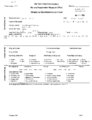
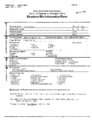
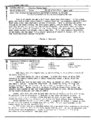
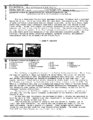
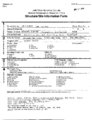
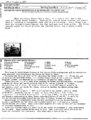
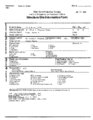
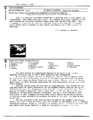
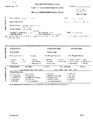
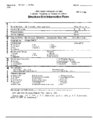
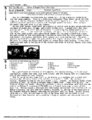
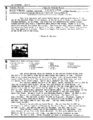
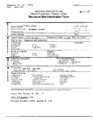
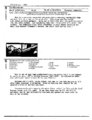
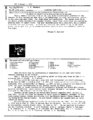
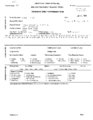
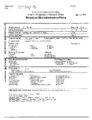
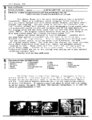
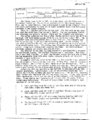
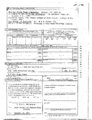
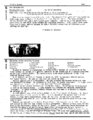
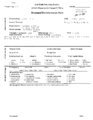
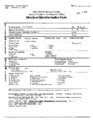
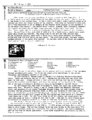
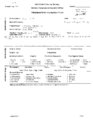
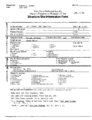
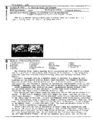
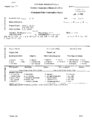
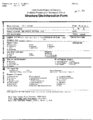
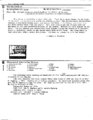
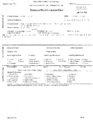
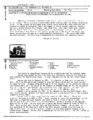
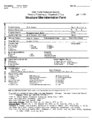
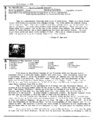
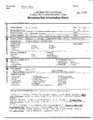
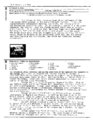
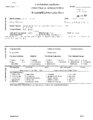
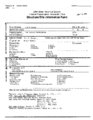
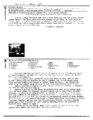
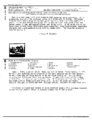
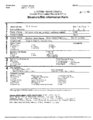
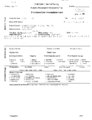
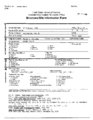
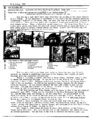
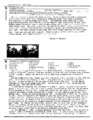
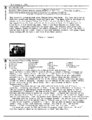
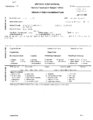
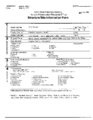
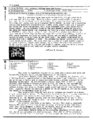
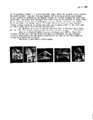
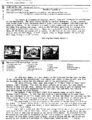
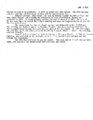
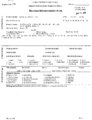
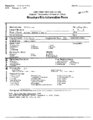
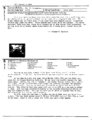
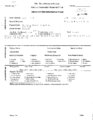
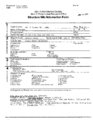
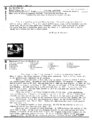
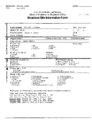
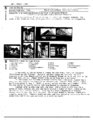
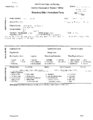
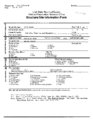
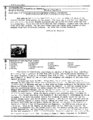
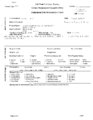
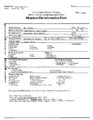
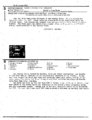
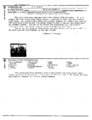
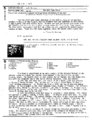
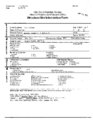
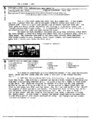
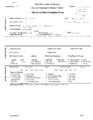
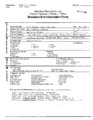
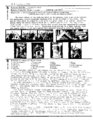
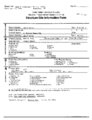
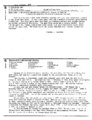
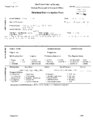
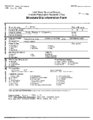
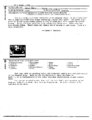
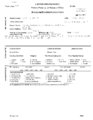
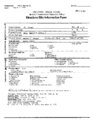
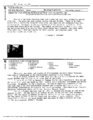
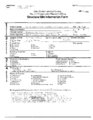
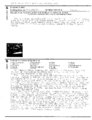
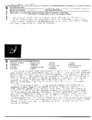
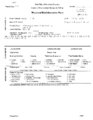
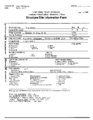
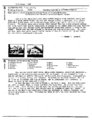
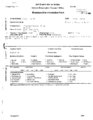
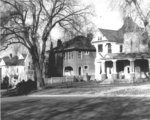
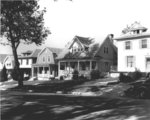
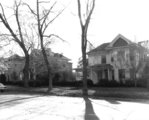
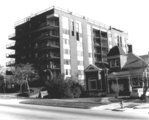
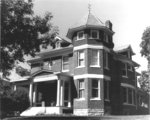
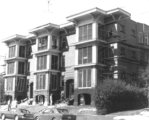
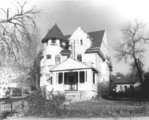
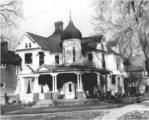
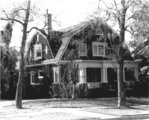
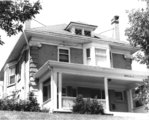
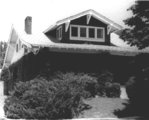
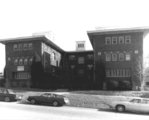
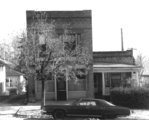
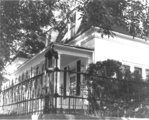
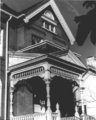
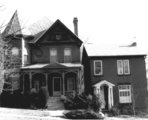
Show 165 A Street - 1903 Architect/Builder: Headlund/ BuiIding Materials: brick & woodshinglBuitdingType/Style: classical Revival____ Description of physical appearance & significant architectural features: (Include additions, alterations, ancillary structures, and landscaping if applicable) This is a two<-story Classical Revival home. Its front pedimented gable has flared ends and contains a Palladian window with small decorative panes. Under the broad eaves is a cornice with modillions and dentil molding. The wood shingle siding of the second story flares out over the brick first floor There is a curved first floor front bay window, and a front porch with paired Ionic Columns that extends out the south side of the house under a conical roof whose bracketed, dentiled cornices matches that of the main house. Note the use of ornated leaded glass in several windows. -Thomas W. Hanchett, Statement of Historical Significance: D Aboriginal Americans Q Agriculture D Architecture D'The Arts D Commerce a D Q D D Communication Conservation Education Exploration/Settlement Industry a a a D Q Military Mining Minority Groups Political Recreation D Religion d Science B^Socib-Humanitarian D Transportation This house is significant because it is an excellent example of the shingle style and because two leading Salt Lake sttorneys, Joseph T. Rich ards and Philo T. Farnsworth lived here. Joseph T. Richards, a son of Franklin S. and Emily S. Richards, was a lawyer is Salt Lake eity. He was born in Ogden on December 8,1871. He moved to Salt Lake with his family when he was twelve years old. He attended the University of Deseret and then graduated from Cornell with an LLB. He was admitted to the Utah Supreme Court Bar and later the United Staes Supreme Court. Richards was appointed assistant United States attorney for Utah ter ritory by Grover Cleveland. He also practiced law with several firms in Salt Lake including a firm with his father. Richards died October 9,1909. Mattie Sells Richards owned the house un-t\l 1921. Although she did not live in it. She probably rented it. She then sold the house to Philo T. Farnsworth Jr. Farnsowrth, a lawyer, grad uated from Columbia University in 1899. He worked with the firms Farnsworth-Lundland-Turman, Van Cott-Riter-Farnsworth, and Farnsworth and Van Cott for thirty years. He was the attorney for several railroads and corporations. He retired in 1907. He died in 1952. His widow was Louise Richards Farnsworth who he had married on September 6,1904. She was the daughter of Joseph S. Richards, who was the first head doctor at LDS Hospi tal and Louise Taylor. |