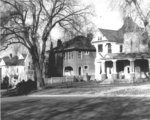
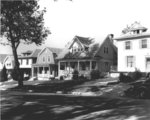
| OCR Text |
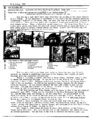
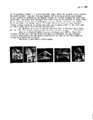
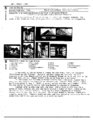
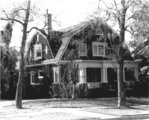
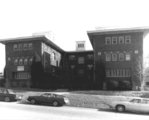
Show FHR-8-300A (11/78) UNITED STATES DEPARTMENT OF THE INTERIOR HERITAGE CONSERVATION AND RECREATION SERVICE NATIONAL REGISTER OF HISTORIC PLACES INVENTORY -- NOMINATION FORM CONTINUATION SHEET ITEM NUMBER 8 PAGE the late nineteenth century, a variety of occupations were represented in the district. These included the following: physicians (Dr. Panagestes Kassinikos, 903 1st Ave.; Dr. Alice E. Houghton, 911 3rd Ave.; Dr. Ellis R. Shipp, 711 2nd Ave.; and Dr. Samuel H. Alien, 2068th Ave.); lawyers and judges (William M. McCarty, 1053 3rd Ave.); architects (Walter E. Ware, 1184 1st Ave.); L.D.S. Church Officials (Brigham H. Roberts, 77-79 C St., and Heber J. Grant, Church President from 1918-1945, 201 8th Ave.); educators and politicians (Noble Warrum, 1153 2nd Ave.; Dr. Christian N. Jensen, 1202 4th Ave.; Orson F. Whitney, 764 4th Ave.; Lydia D. Alder, 320 1st Ave.; Heber M. Wells, Governor of Utah, 1896-1904, 182 G St.; and George H. Dern, Utah Governor, 1925-1933, and U.S. Secretary of War, 1936-1940, 36 H. St.); musicians, artists, photographers (Anton Pedersen, 509 3rd Ave.; James J. McClellan, 688 1st Ave.; Joseph J. Daynes, 38 D St.; Henry Culmer, 33 C St.; and Charles R. Savage, 80 D. St.); merchants (Castleton Brothers, 740 2nd Ave., and J.C. Penney, 371 7th Ave) and clerks and laborers (Orrin Morris, 19 G St.; David A. Coombs, 1216 1st Ave.; and Oscar H. Cools, 83 Q. St.). William H. Mclntyre, a prominent mining magnate, purchased a mansion at 259 7th Avenue, deviating from the traditional pattern of mining entrepreneurial families locating on Salt Lake's palatial South Temple Street. The neighborhood exhibited in the early decades of the twentieth century a trend toward the increase of rental property. This factor, combined with the growth of absentee ownership, led to a gradual deterioration of the area. In recent years the Avenues has experienced a neighborhood revitalization which has led the way for such activity in other Salt Lake City neighborhoods. HISTORY Salt Lake City was founded by the Mormons in July, 1847. The main motivations in founding the new city were religious; thus, the city was a clearly defined and well executed planned settlement, patterned after Joseph Smith's plat for the City of Zion. This "Mormon village" was designed so farmers could live in town and drive to their fields each day for work. By the 1850s industry began to develop in Salt Lake City, with the crafts and trades predominating. The next two decades saw a rapid growth in industry and manufacturing. With these trends Salt Lake was changing from a village to a city. It was during this critical transitional change that the Avenues district of Salt Lake City developed. The Avenues were established primarily for artisans, tradesmen, common laborers and others who desired to live in proximity to the city. In addition,"the Avenues district is unique in Salt |