| OCR Text |
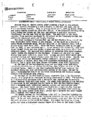
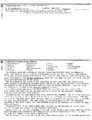
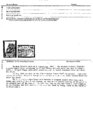
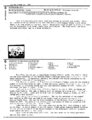
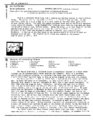
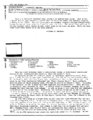
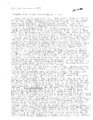
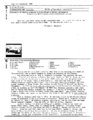
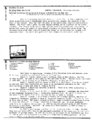
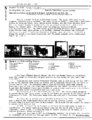
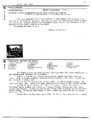
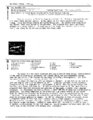
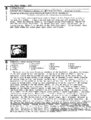
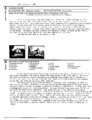
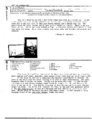
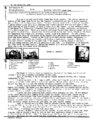
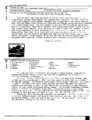
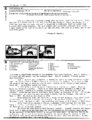
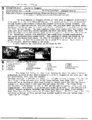
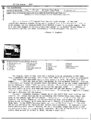
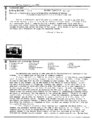
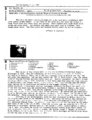
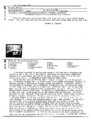
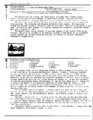
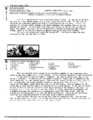
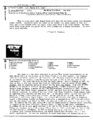
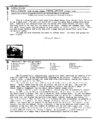
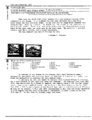
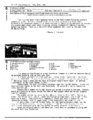
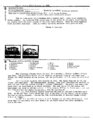
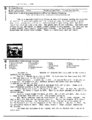
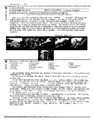
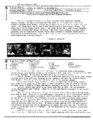
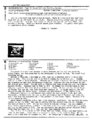
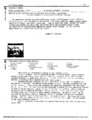
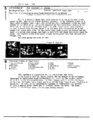
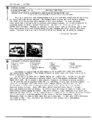
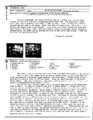
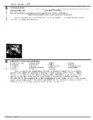
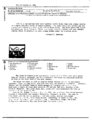
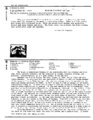
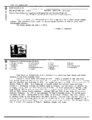
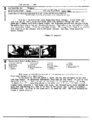
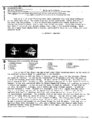
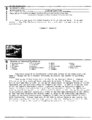
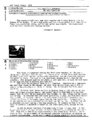
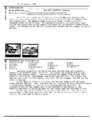
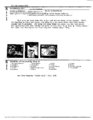
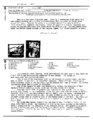
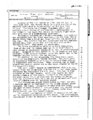
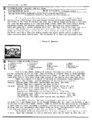
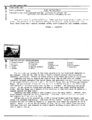
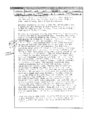
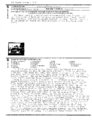
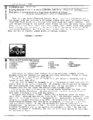
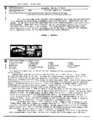
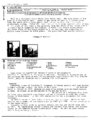
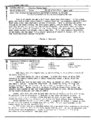
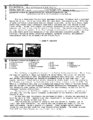
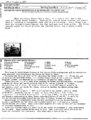
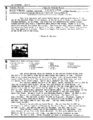
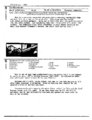
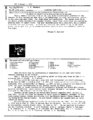
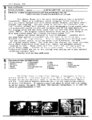
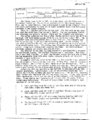
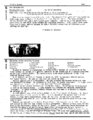
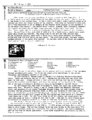
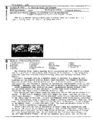
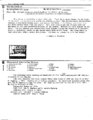
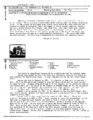
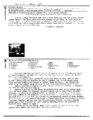
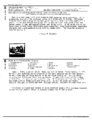
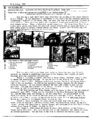
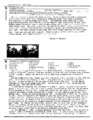
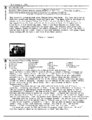
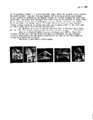
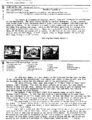
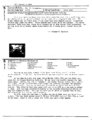
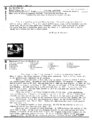
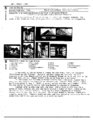
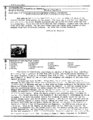
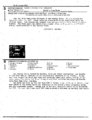
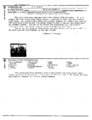
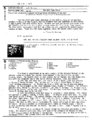
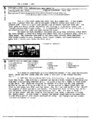
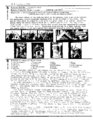
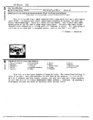
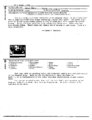
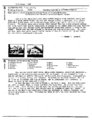
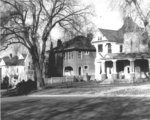
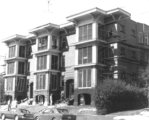
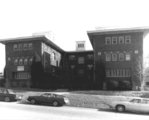
Show -3- J/ifV 1 4 ?980 2. Describe the building in terms of its architectural significance. Include a characterization of the style, a description of any unique features it might posses as well as the contribuiton it makes to the environment. ' The three story, U-shaped building of brick construction, contains 80 rooms. These rooms are arranged into two and three room apartments. The interesting and colorful exterior is generated by the architects use of tawny, clinker brick over the major wall planes and a base of fire brick. This fire brick is again used around many of the main window groupings in conjunction with blue and white square patterned tile, the four main entrances, and in three rows of horizontal'banding at,the.third story level. . * " "" : '..'•'£.-••• • ' • ' " T'' .":; _r Thi s hori zontaTity: is^f^rther stressed i^Li.n/overJiaj\qtii<r f 1 at •: roof.,_;which contaihs a, rudiperit^ry wood bandi ng.. -" Many of the original stained, leaded glass windows remafh and their use in the grouped casement as well as sash windows is further reminiscent of the Prairie School tradition just then gaining popularity in the Midwest. I am uncertain as to how original is the use of yellow window and eave trim. The four main entrances mentioned above and the second story porches of the front elevation illustrate the use of horizontal and vertical mass popularized by Wright's Larkin Building and Unity Church. Here piers .flanking the entrances are connected by the horizontal band OF THE ~Tne VoTi.£&fAx\ fftt*&c\nS e\ 4f\* pdrGfceg?/ are 4(the railing) at the second storyAsupported by narrow piers and flanked by the sharply defined building corners strongly resembling the "$5000 Fireproof House". Ware and Treganza employed the U-shape plan made popular in Chicago during its massive building program of the late 19th Century. This plan allows forrinaximum air circulation and natural lighting. They also raised the first floor allowing for the use of the basement for additional apartments, having high windows. As late as 1964, a roof garden topped the structure. However, today all that remains are three one-story "rooms" sitting on top of the roof. Old mattresses and warning signs prohibit ones admittance to the bare, asbestos roof. |