| OCR Text |
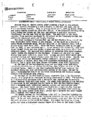
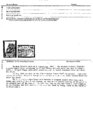
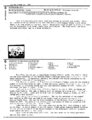
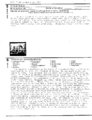
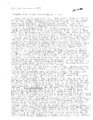
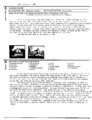
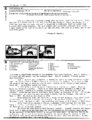
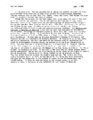
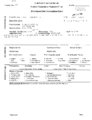
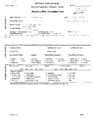
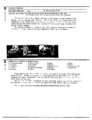
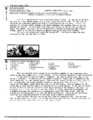
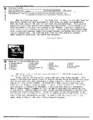
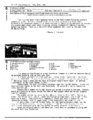
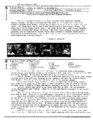
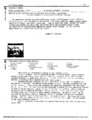
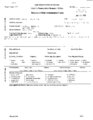
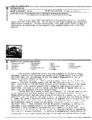
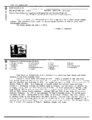
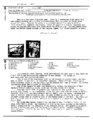
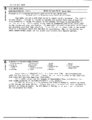
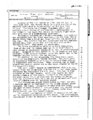
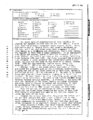
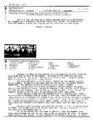
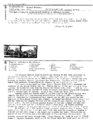
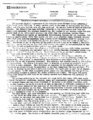
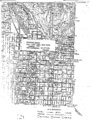
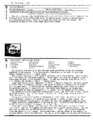
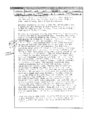
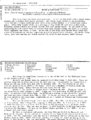
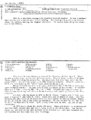
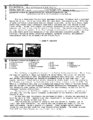
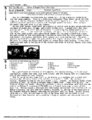
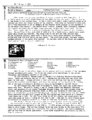
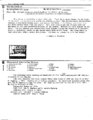
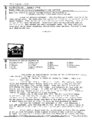
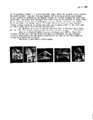
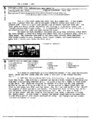
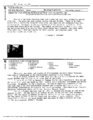
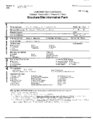
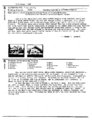
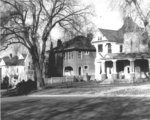
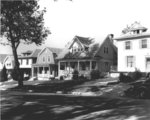
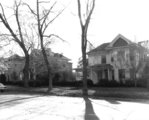
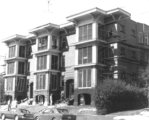
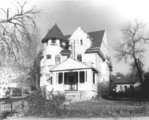
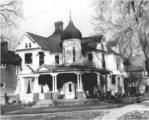
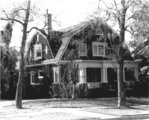
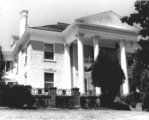
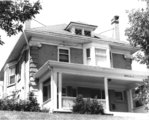
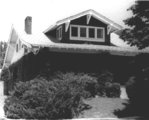
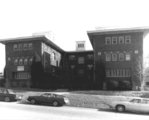
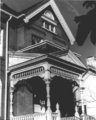
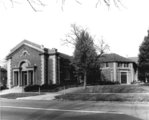
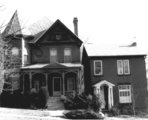
Show FHR-8-300A (11/78) UNITED STATES DEPARTMENT OF THE INTERIOR HERITAGE CONSERVATION AND RECREATION SERVICE NATIONAL REGISTER OF HISTORIC PLACES INVENTORY -- NOMINATION FORM CONTI NUATION SHEET ITEM NUMBER 7 PAGE The Avenues, laid out in the early 1850's as Plat D of Salt Lake City, was the first section of the city to deviate from the original city plan of ten acre blocks. Probably a consequence of the steep slopes and the lack of water on the "Dry Bench," the smaller streets and blocks of the Avenues resulted in a streetscape considerably different from the rest of the city. The differences became even more pronounced when the quarter-block lots were subdivided by their original owners, sometimes with houses so close together that blocks assumed almost the appearance of row houses. The variation from the original city plat is also reflected in the street names. Originally the north-south streets were named for trees, and the four east-west avenues were named Fruit, Garden, Bluff and Wall Streets. By 1885, the east-west streets had become First, Second, Third and Fourth Streets; and the north-south streets had been lettered, from A to U Streets (V Street became Virginia). The few remaining maps make it difficult to determine the pattern of house and street development in the Avenues. The history of Darlington Place, in the area of about First to Third Avenues between P and S Streets, is one documented example. Beginning in about 1890, Elmer Darling and Frank McGurrin began selling lots and building homes. By 1892, Darling reported in the New Year's Day issue of the Tribune that "fifty residences adorn our Darlington Place which were not there in 1890." Recognizing the developers' success, streetcar companies extended lines on First and Third Avenues through the new development. Improved transit, along with the expanded water supply on the Avenues after 1900, accelerated the construction of homes on streets that had been platted (but not settled) since the mid-1880's. As a result, architectural styles tend to reflect the pattern of development. Most of the two and a half story Victorian era homes are found below Fourth Avenue; above Seventh Avenue the majority of homes are one and a half story bungalows of various stylistic variations. While they account for less than one percent of all residences, the very large, often architect-designed homes in the Eastlake, Queen Anne and Shingle styles, and later the Prairie and Craftsman styles greatly influence the visual character of the Avenues. Some of the state's best examples of residential architectural styles were built there, including the William Barton house, 231 B Street, (vernacular/Gothic); the Jeremiah Beattie house, 30 J Street, (Eastlake); the David Murdock house, 73 G Street, (Queen Anne); the E.G. Coffin house, 1037 First Avenue, (Queen Anne); the N.H. Beeman house, |