| OCR Text |
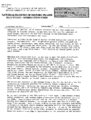
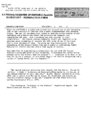
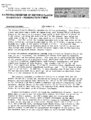
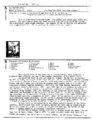
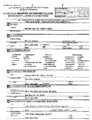
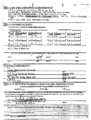
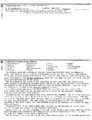
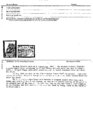
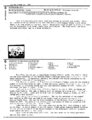
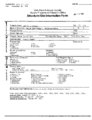
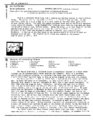
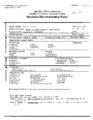
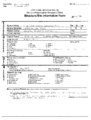
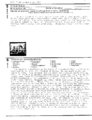
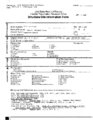
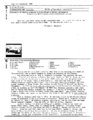
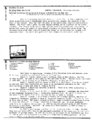
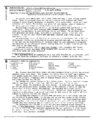
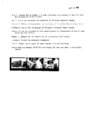
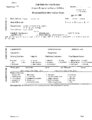
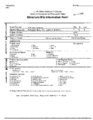
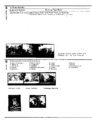
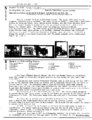
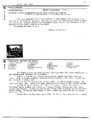
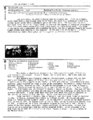
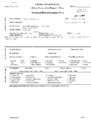
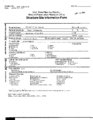
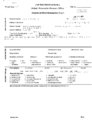
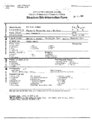
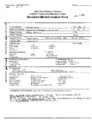
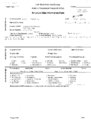
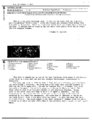
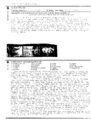
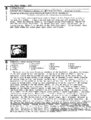
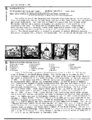
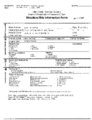
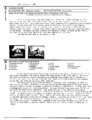
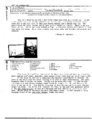
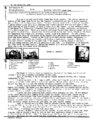
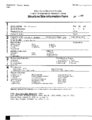
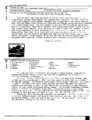
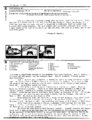
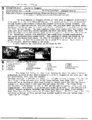
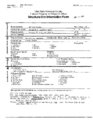
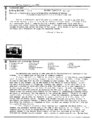
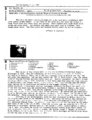
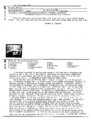
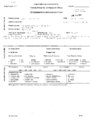
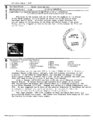
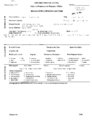
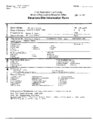
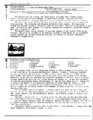
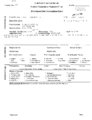
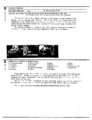
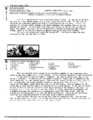
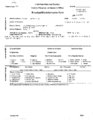
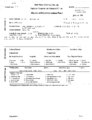
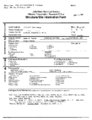
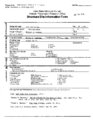
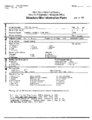
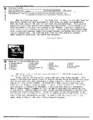
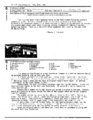
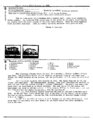
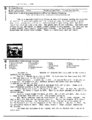
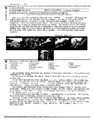
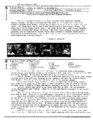
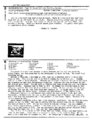
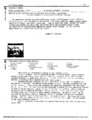
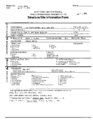
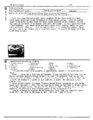
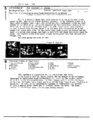
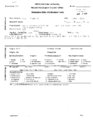
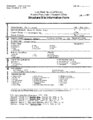
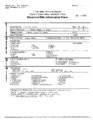
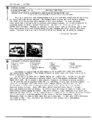
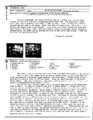
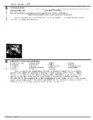
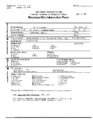
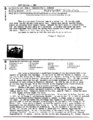
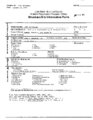
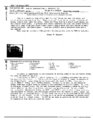
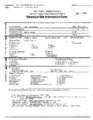
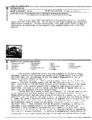
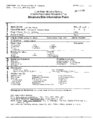
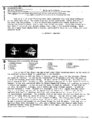
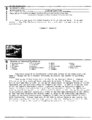
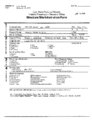
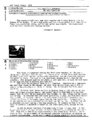
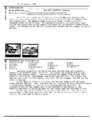
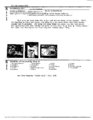
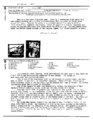
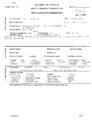
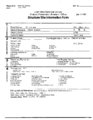
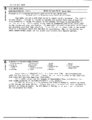
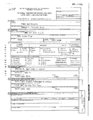
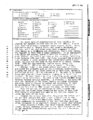
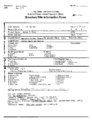
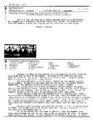
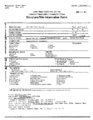
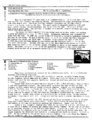
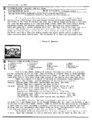
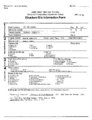
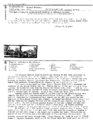
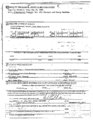
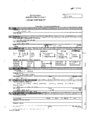
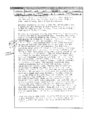
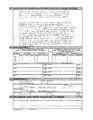
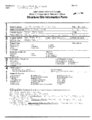
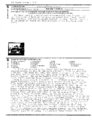
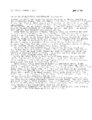
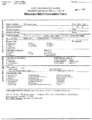
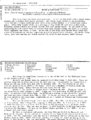
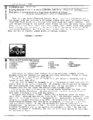
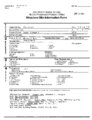
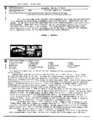
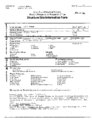
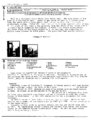
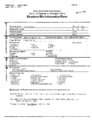
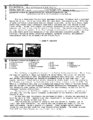
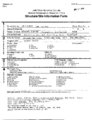
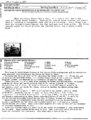
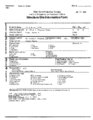
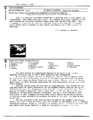
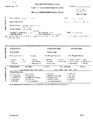
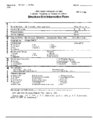
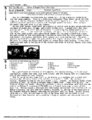
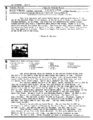
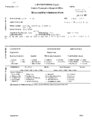
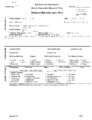
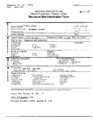
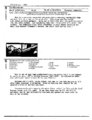
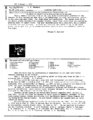
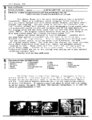
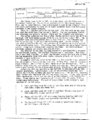
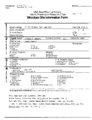
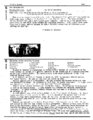
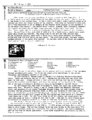
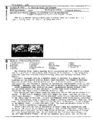
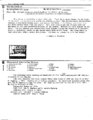
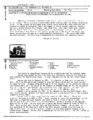
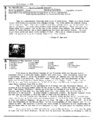
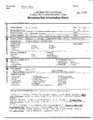
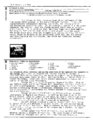
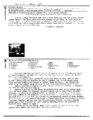
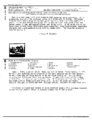
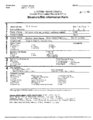
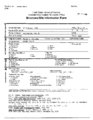
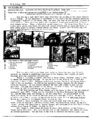
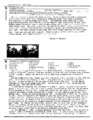
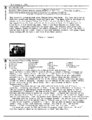
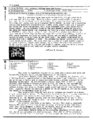
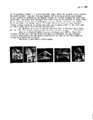
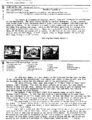
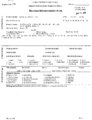
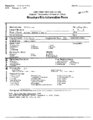
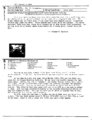
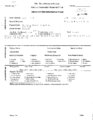
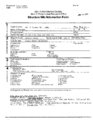
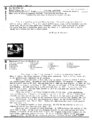
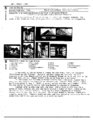
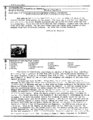
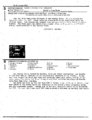
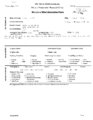
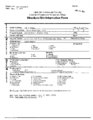
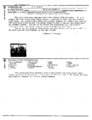
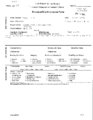
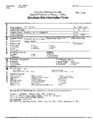
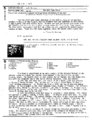
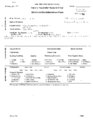
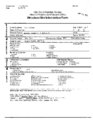
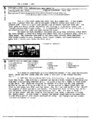
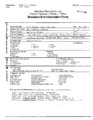
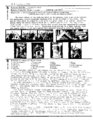
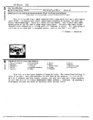
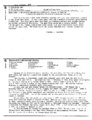
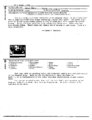
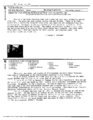
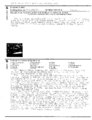
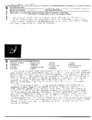
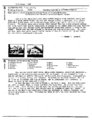
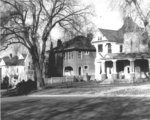
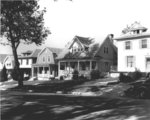
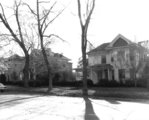
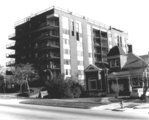
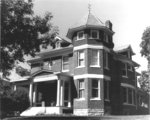
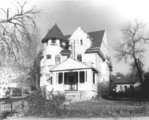
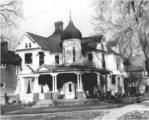
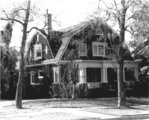
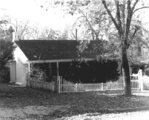
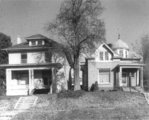
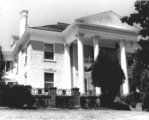
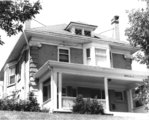
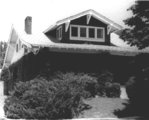
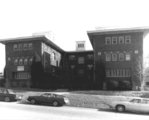
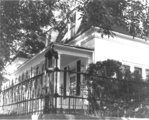
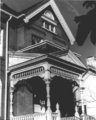
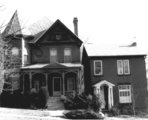
Show JAN 1 4 1980 J7;i DESCRIPTION (Check One) CONDITION Excellent (?§ Good Q Fair Q Deteriorated Q Rujns Altered Q Unaltered Unexpo5ed One.) (Check One) C] Moved Q£ Original Site DESCRIBE THE PRESENT AND ORIGINAL (if known) PHYSICAL. APPEARANCE Located on the N.W. corner of D St. and 5th Ave. in 'Salt Lake City, the Chipman House is a good example of the edlectic style used by housebuilders of the late 19th century. The house has elements from ramny stales and exhibits a high decree of craftsmanship, particularly in the bric&vork, but lacks the overall continuity th»at would mark $the work of a professional architect. Origiaally designed as a single residence, the building was converted into the "Home Apartments" in the late t920's around which time a brick and frame addition was built onto the rear. The interior has been subdivided and the su±faces painted many times since then and now only hint at fche decofcative detail that might lie underneath. The basie structure is brick on a stone foundation. Most of the wall is common bond but it is highlighted in many places by decorative brickwork in deep three-dimensional rn relfeef. Examples of this brickwork can be found on the five m chimneys, under several windows, under the eaves, and in the boundary courses between the two stories. In addition to the brickwork, the house has a large amount of two-dimensional wooden jigwork. The front porch is especially blessed by an ornate barseboard that remains in remarkably good condition. Ofefcer examples can be found around the various gables and on the larsre brackets on top of the projecting bays. The main( South) facade is assymetrical with a large, n square tower set diagonally into the S.E. corner anda large, two-story bay dominating the S.W. side. This bay is then repeated on the "Sast facade, which also boasts the most visible examDle-of the ornate brickwork in the chimney. T^he roof varies froma pyramid over the tower, to gables over the ^rejecting bays, to a low hit) or mansard roof with several docmers over the building proper. The windows are almost overwhelming in their variety. A few-that should be mentioned are the seveal stained glass transoms, the stfcep, triangular dormers over the tower, the pair of small windows in the gable end, the unusual dormer directly over the entrance, and the federal style heavy stone lintels over the larger windows. "The wealth and variety of detail is impressive and can not be adequately described in this space. The accompanying photographs should be carefully examined for further examples. |